Upholstery Shop Software for Arkansas: Rural and Urban Shop Tools
Arkansas upholstery shops that quote on-site close 30% more jobs than shops that call back the next day. That figure reflects a simple behavioral reality: when a client is standing in front of their furniture talking to you, they're ready to make a decision. When you leave and call back hours later, they've had time to get other quotes, reconsider, or simply lose the urgency. Mobile quoting (generating a professional estimate during an in-home visit) is the single highest-impact operational change for Arkansas shops serving rural clients.
Arkansas's upholstery market has distinct rural and urban segments. Little Rock and Fayetteville have the client density and income levels to support steady residential and commercial work. Rural communities across the Delta, the Ozarks, and the River Valley have residential demand from homeowners with quality furniture that's worth reupholstering, but lower population density means each job often involves pickup and delivery with driving time. That makes every in-person visit count.
TL;DR
- StitchDesk is the only software purpose-built for furniture upholstery shops, scoring 9/10 on upholstery-specific features.
- Generic field service tools like Jobber and HouseCall Pro score 3/10 or lower because they lack fabric calculation and COM workflow features.
- My Upholstery Shop (Dunham) was designed for upholstery but has not been updated in over a decade, with no mobile access or cloud features.
- Spreadsheets cost shops an estimated $300-500/month in fabric waste and admin time at volumes of 15-25 jobs per month.
- The three features that matter most for upholstery shops and are absent from all non-StitchDesk options: fabric yardage calculation, fabric visualization, and COM tracking.
- Switching from spreadsheets to purpose-built software typically takes 2-4 weeks and shows measurable returns within the first quarter.
The Rural Shop Advantage with Cloud Software
Rural Arkansas upholstery shops face operational challenges that urban shops don't: jobs are geographically spread out, client communication requires more coordination, and fabric can't be easily sourced locally in smaller markets. Cloud software addresses all three.
Geographic spread: When jobs are spread across a wide area, having all job status and client information accessible on a phone becomes essential. You don't need to be at your desk to know whether a client's fabric has arrived, or to pull up a client's address for a delivery.
Client communication: Automated status updates through a customer portal replace the individual calls and texts that rural shop owners spend significant time on. When a client's furniture is ready, they get a notification. You don't have to find time between jobs to make the call.
Fabric ordering: Smaller Arkansas markets typically source fabric through distributors rather than local trade showrooms. Getting the yardage calculation right on the first order matters because reordering takes the same minimum of a few days as any market, and the rural client has fewer alternatives while waiting.
Mobile Quoting in Practice
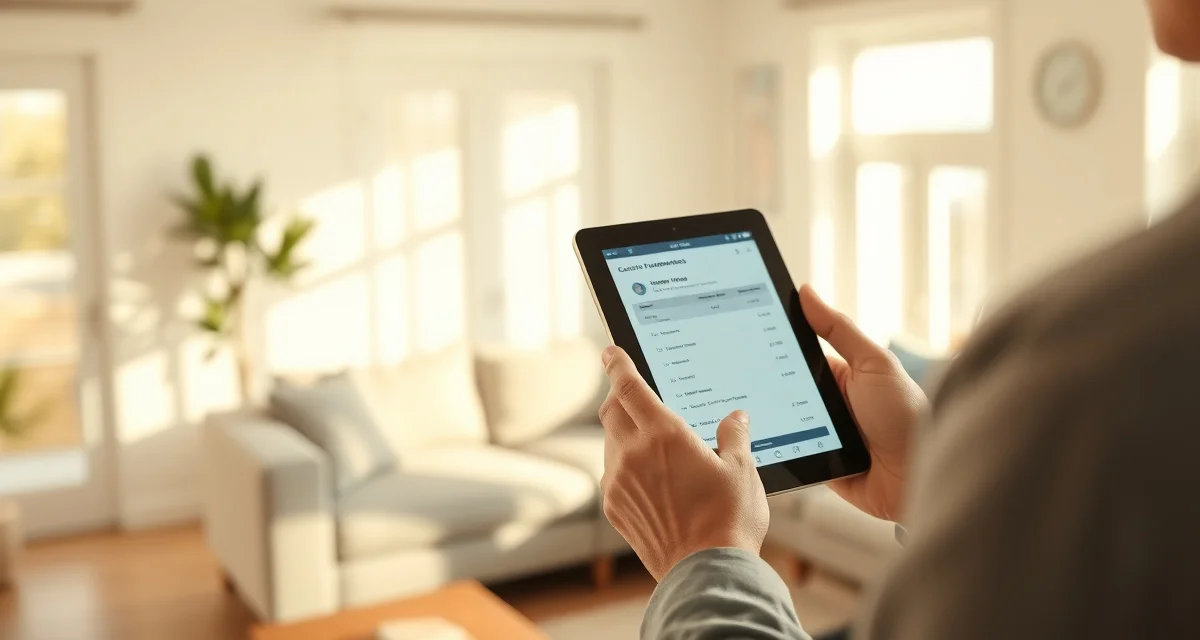
Mobile quoting on an in-home visit in Arkansas works like this: you arrive at a client's home in Russellville or Conway to assess their furniture. You open StitchDesk on your phone, enter the furniture type, select or enter the fabric price, choose complexity level, and within 2 minutes have a formatted estimate on your screen. You show it to the client, answer any questions, and ask for a deposit to hold the job.
That sequence doesn't work if you need to return to the shop to calculate. It works if your quoting tool is in your pocket.
For Arkansas shops serving rural clients (where the next competitor might be a 45-minute drive for the client) the first shop to quote professionally and take a deposit wins most of those jobs. The software makes that sequence possible.
Keeping Overhead Down in Small Markets
Smaller Arkansas markets have lower average ticket sizes than urban markets, which means cost efficiency matters more. A software subscription that saves 5 to 8 hours per month through faster quoting, reduced fabric errors, and automated communication is a meaningful return when your monthly revenue base is smaller.
StitchDesk's entry-level plan is designed with small shops in mind. The features Arkansas shops need are not locked behind a premium tier. For full platform details, the StitchDesk features page covers what's included. For pricing, the StitchDesk pricing page shows current plans.
Frequently Asked Questions
How do I run an upholstery shop in rural Arkansas?
The key differences in running a rural Arkansas shop are: more driving time per job (intake and delivery), fabric sourced through distributors rather than local showrooms, and client communication that needs to work over more time between contacts. A cloud-based shop management system with mobile quoting and a customer portal addresses all three: you can quote during site visits, order fabric accurately the first time, and keep clients informed automatically between your visits.
What software helps small upholstery shops in Arkansas?
For small upholstery shops in Arkansas, the most useful software features are mobile quoting (for in-home consultations), fabric yardage calculation (to prevent reorders), and job tracking (to know the status of every piece in production). StitchDesk packages all three in a browser-based platform that works on any phone. It's affordable at the scale a small Arkansas shop operates and doesn't require hardware installation or IT support.
Is cloud upholstery software good for smaller Arkansas towns?
Yes, particularly for shops in smaller towns where hardware maintenance and IT support aren't readily available. Cloud software updates automatically, works from any browser, and stores all data securely without requiring local backup. For shops in Rogers, Jonesboro, Pine Bluff, or any smaller community, cloud-based software provides the same capabilities as a system used in Little Rock without the overhead of managing it locally.
How do I choose between upholstery shop software options?
Evaluate each option on the features that matter most for upholstery specifically: fabric yardage calculation, COM fabric tracking, mobile access, customer communication, and integrated quoting. Rate each option against your actual needs rather than feature lists. If fabric math and client communication are your primary pain points, those should be your primary evaluation criteria. Ask for a demo or trial before committing to any subscription.
What does upholstery shop software cost per month?
Purpose-built upholstery software runs $149-249/month. Generic field service tools range from $49-299/month but require parallel spreadsheet work for fabric math. Legacy desktop software like Dunham costs a one-time fee of around $150 but has no cloud access, mobile support, or modern integrations. Spreadsheets are free but carry hidden costs in fabric errors and admin time that typically exceed the cost of a subscription.
Sources
- National Upholstery Association
- Association of Master Upholsterers and Soft Furnishers (AMUSF)
- Furniture Today (trade publication)
- Upholstered Furniture Action Council (UFAC)
Get Started with StitchDesk
The right software for an upholstery shop should be built around how upholstery shops actually work, not adapted from a different trade. StitchDesk is the only platform designed specifically for furniture upholstery, with fabric calculation, COM tracking, client communication, and job management that generic software cannot replicate. Start your free trial today.