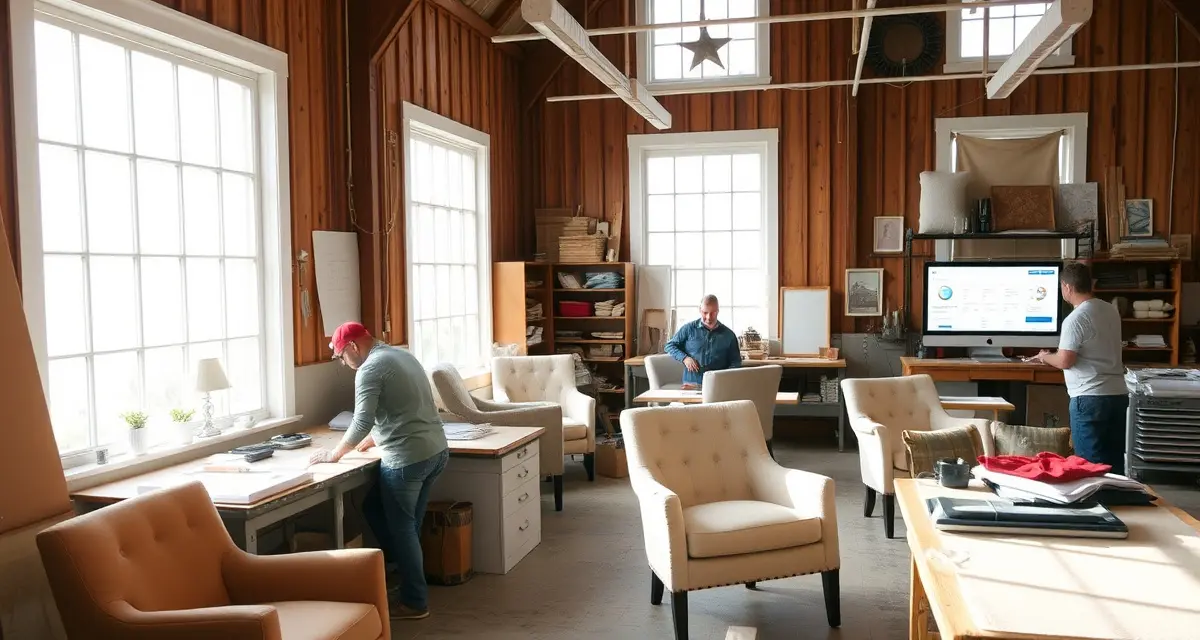
Upholstery Shop Software for Maine: Coastal and Rural Shop Tools
Maine marine upholstery shops see 60% of annual revenue in June through August, and job scheduling software prevents the overbooking that ruins that peak season. A shop that takes more jobs than it can complete in the summer window is worse off than one that's appropriately booked: overdue jobs generate complaints, rushed work generates quality problems, and the reputation damage follows the shop into the slower fall season.
Maine's upholstery market is shaped by two dominant forces: the coastal marine industry and the antique furniture tradition that runs through New England. Portland, Kennebunk, Bar Harbor, and the midcoast communities have significant marine demand in summer and antique furniture work throughout the year.
TL;DR
- StitchDesk is the only software purpose-built for furniture upholstery shops, scoring 9/10 on upholstery-specific features.
- Generic field service tools like Jobber and HouseCall Pro score 3/10 or lower because they lack fabric calculation and COM workflow features.
- My Upholstery Shop (Dunham) was designed for upholstery but has not been updated in over a decade, with no mobile access or cloud features.
- Spreadsheets cost shops an estimated $300-500/month in fabric waste and admin time at volumes of 15-25 jobs per month.
- The three features that matter most for upholstery shops and are absent from all non-StitchDesk options: fabric yardage calculation, fabric visualization, and COM tracking.
- Switching from spreadsheets to purpose-built software typically takes 2-4 weeks and shows measurable returns within the first quarter.
Maine's Seasonal Marine Market
Marine upholstery in Maine is almost entirely seasonal. Boats go out in May or June, owners notice the seat condition, and suddenly there's a backlog of marine work between June and Labor Day. Shops that prepare for this surge (knowing their capacity in advance and managing booking accordingly) capture the peak without overcommitting.
The scheduling feature in StitchDesk shows production capacity against confirmed jobs on a weekly view. When you're at 80% of production capacity for a given week, you know before taking the next marine job whether it can be completed on schedule. That visibility is what prevents the summer overbook.
Marine work in Maine also has specific material requirements. Vinyl and marine canvas work better with outdoor UV treatment and moisture-resistant stitching. Accurate calculation of marine vinyl yardage (accounting for piece shapes that are often non-standard compared to residential furniture) is where a marine-specific calculator helps.
Maine's Antique Furniture Market
Maine has a substantial antique furniture tradition. Estate sales, antique dealers, and private collections throughout the midcoast and western lakes region generate a steady stream of antique reupholstery work. Queen Anne chairs, Victorian settees, early American wing chairs with hand-tied coil springs.
This work is different from standard residential in three ways that affect how it should be managed:
Labor premium. Antique work takes longer than standard residential. Spring retying alone can add 2 to 4 hours to a job that would otherwise take 3 to 4 hours. The estimate needs to include this specifically.
Period fabric sourcing. Authentic period reupholstery requires fabric appropriate to the piece's era. Crewel wool, period damask, or linen in traditional patterns. These fabrics aren't always in stock and may need to be ordered from specialty suppliers. The COM fabric tracking feature in StitchDesk handles specialty ordered fabric with receipt logging and condition verification.
Client expectations. Clients with antique furniture are more invested in the piece than clients with standard residential furniture. They want progress updates and expect to be consulted on any decisions. The customer portal with status updates is particularly appreciated by this client segment.
Rural Maine Operations
Outside the coastal towns, rural Maine has residential upholstery demand from communities in Aroostook County, the western mountains, and the interior. The challenges are similar to other rural markets: driving time for pickup and delivery, fabric sourcing from distributors rather than local showrooms, and clients who are making purchasing decisions less frequently.
For Maine's rural market, mobile quoting during in-home visits is valuable for the same reason it is in any rural market: you're already there, and getting a decision before you leave is worth more than calling back the next day.
For scheduling guidance, the upholstery shop scheduling guide covers the full production scheduling methodology. For marine work specifics, the boat upholstery guide covers Maine's relevant job types.
Frequently Asked Questions
What software do Maine upholstery shops use?
Maine upholstery shops typically combine marine and residential work with antique furniture in their job mix. Dedicated upholstery software that handles scheduling visibility (for managing the summer marine peak), professional quoting, and customer communication covers the key operational needs. StitchDesk is used by Maine shops from Portland and the midcoast to smaller markets in Bangor and Aroostook County.
How do I manage seasonal upholstery demand in Maine?
The key is capacity visibility 4 to 6 weeks ahead during peak season. A scheduling system that shows confirmed jobs against your production capacity lets you see when you're approaching the overbook threshold before it happens. In practice, Maine marine shops should start monitoring capacity weekly from May 1 and use that view to tighten booking windows as June approaches. Shops that manage this proactively deliver better work quality during peak season than shops that discover the overbook in mid-July.
Is there upholstery software for Maine marine shops?
Yes. StitchDesk handles marine upholstery with marine vinyl as a material type in the fabric calculator, scheduling that shows peak season capacity, and professional quoting for marine job estimates. The platform works for Maine coastal shops handling both marine and residential work in a single system without requiring separate tools for each job type.
Is there a free trial available for upholstery shop software?
StitchDesk offers a free trial for new shops. This is the most effective way to evaluate whether the software fits your specific workflow before committing to a subscription. Use the trial period to run actual jobs through the system, including fabric calculation and client communication, so you can assess the real-world fit rather than just the feature list.
Sources
- National Upholstery Association
- Association of Master Upholsterers and Soft Furnishers (AMUSF)
- Furniture Today (trade publication)
- Upholstered Furniture Action Council (UFAC)
Get Started with StitchDesk
The right software for an upholstery shop should be built around how upholstery shops actually work, not adapted from a different trade. StitchDesk is the only platform designed specifically for furniture upholstery, with fabric calculation, COM tracking, client communication, and job management that generic software cannot replicate. Start your free trial today.