Getting Upholstery Client Testimonials: Timing and Script
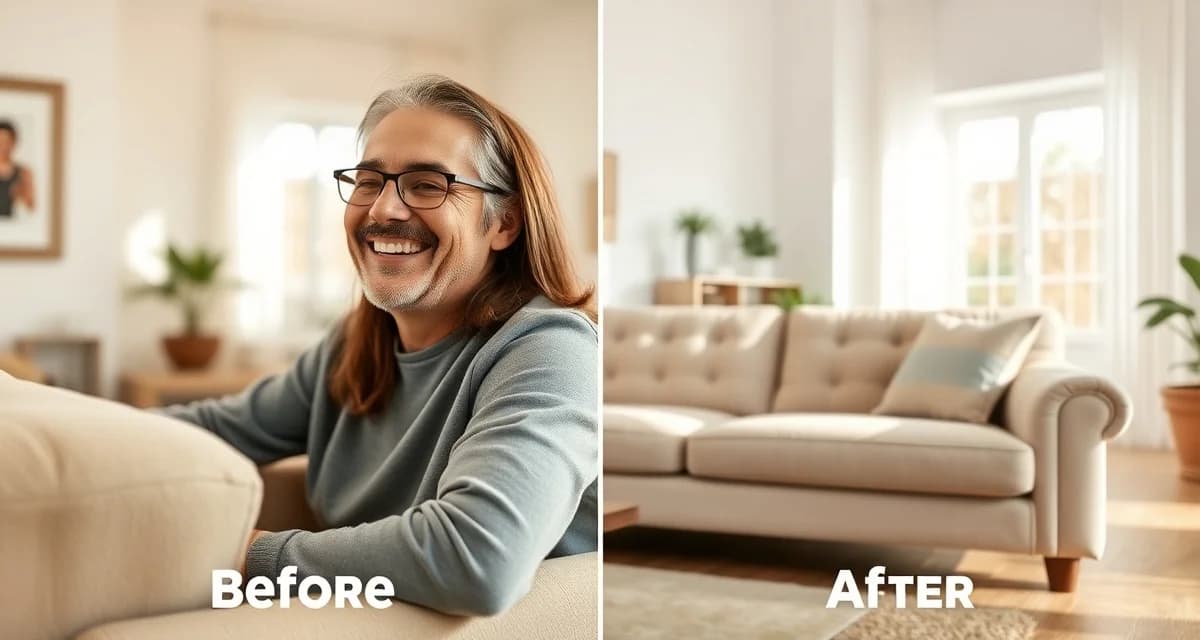
Video testimonials shot at pickup close 40% more new clients than text-only reviews when used on social media. The visual component of upholstery marketing is inherently strong, a before-and-after photo already performs well. Add a client saying on camera "I can't believe how it turned out" and you have the combination that converts people scrolling past to people picking up the phone.
The challenge isn't whether satisfied clients will give testimonials. Most will, happily. The challenge is timing the ask correctly and making the format as easy as possible.
TL;DR
- Before-and-after photography is the highest-return marketing investment for an upholstery shop; clients choose shops based on portfolio quality.
- Google Business Profile optimization and review management are the most important local SEO actions for upholstery shops.
- Instagram and Houzz are the most effective platforms for upholstery shops because both are visually driven and interior-design adjacent.
- Referral programs with interior designers and furniture stores generate higher-quality leads than paid advertising for most shops.
- A consistent Google review strategy converts satisfied clients into visible social proof that attracts new clients.
- Most upholstery shops grow fastest through referral quality, not advertising spend: document every job and ask satisfied clients for reviews.
The Right Moment to Ask
The best moment to ask for any testimonial is immediately after delivery or pickup, the moment of highest emotional satisfaction in the client relationship. The piece looks beautiful, the client is delighted, they're expressing their happiness directly to you. This is the window.
If you wait a day or a week, the emotion fades. The sofa is now just their sofa. They'll still give you a review, but the enthusiasm in the review diminishes with distance from the moment.
At pickup, when the client says something positive, "This is amazing" or "I can't believe how it came out", that's your cue. "I'm so glad you love it. Would you be willing to share that on Google? It helps us more than you know."
The Three Testimonial Formats
Different formats serve different purposes. Here's how to think about each:
1. Google Review
The highest-value testimonial for business growth. Google reviews directly affect your local search ranking and appear prominently when people search for upholstery shops in your area.
When to ask: At pickup, immediately after the client's positive reaction.
Script: "Would you mind leaving us a Google review? It would really help other people find us. I can text you the direct link right now."
The link: Generate a direct Google review link from your Google Business Profile. The direct link takes the client straight to the review form without requiring them to search. Text it immediately, don't ask them to find it themselves.
2. Photo Testimonial
A photo of the client with their finished piece, captioned with their words, performs well on Instagram, Facebook, and Houzz. It combines the social proof of a testimonial with the visual content that upholstery marketing needs.
When to ask: At pickup, immediately after the client's positive reaction.
Script: "Would you be willing to take a quick photo with the [piece] for our Instagram? Your reaction says it all, and it would mean a lot to be able to share your story."
Most clients who are genuinely happy say yes immediately. Some prefer not to be photographed, never pressure. "Would you mind if I just photographed the piece, then?" usually gets a yes even from camera-shy clients.
3. Video Testimonial
Video testimonials are the most powerful format for closing new clients, particularly when used in social media ads or on your website. A 30-60 second clip of a satisfied client describing their experience converts at dramatically higher rates than text or photo testimonials.
When to ask: Only at pickup, only from clients who are visibly and vocally delighted. Don't ask reluctant clients for video.
Script: "I love your reaction to this. Would you be willing to record a short video saying what you just told me? It would be amazing to share."
What to capture: Your phone camera, portrait orientation, good natural light. The client stands in front of the finished piece. Ask them: "Can you just tell me what you expected going in and what you think now that you see it?" Two sentences from a genuinely happy client is better than a rehearsed 60-second statement.
How to Use Testimonials in Marketing
Google reviews: These work automatically once posted. Don't actively share individual reviews on social media (it looks self-congratulatory). Instead, cite your overall rating in ads and on your website.
Photo testimonials: Post to Instagram, Facebook, and Houzz within 24 hours of receiving them. The caption should be primarily the client's words, with brief context. Tag the client if they're comfortable being tagged, tagged posts reach their network.
Video testimonials: Use in Facebook/Instagram ads targeting homeowners in your service area. Use as the first element on your website's testimonials page. The most effective use of video testimonials in upholstery marketing is in paid social ads, they out-perform photo ads for conversion to calls.
Building a Testimonial Collection System
The shops with strong testimonial collections aren't necessarily doing better work than other shops, they're asking more consistently. Here's a simple system:
- At every pickup: Attempt to get a Google review link click (text the link at pickup)
- For visibly delighted clients: Ask for a photo
- For extremely enthusiastic clients: Ask for a video
Log which format you got (or attempted) in your client record. Track your conversion rate, what percentage of pickups result in a Google review? This is a metric you can improve systematically.
The upholstery shop review strategy guide covers how to build your overall review platform strategy. The upholstery shop marketing guide shows how testimonials fit into the full marketing ecosystem.
FAQ
How do I ask clients for upholstery testimonials?
Ask at the moment of highest satisfaction: immediately at pickup when the client sees the finished piece and expresses delight. For Google reviews, have a direct link ready to text immediately, the friction of finding your page themselves loses most reviews. For photos, ask if you can capture them with their piece for social media. For video, ask only the most enthusiastic clients and keep it informal: "Can you just tell me what you thought going in and what you think now?" The best testimonials are spontaneous and genuine, not rehearsed.
When is the best time to ask for an upholstery review?
At pickup, during the moment of delivery or collection when the client sees the finished piece for the first time. This is the emotional peak of the client relationship. The enthusiasm in a review written an hour after pickup is measurably different from a review written a week later when the novelty has faded. Send the Google review link by text immediately at pickup, waiting until later to send it loses most review conversions. The phrase "I'll follow up with the link" means you won't for 30% of clients.
What type of testimonial is most effective for upholstery?
Video testimonials shot at pickup close more new clients than any other format when used in paid social ads or on a website testimonials page, the combination of a real person, the visual of the finished piece, and genuine spoken enthusiasm converts at 40% higher rates than text-only reviews. Google reviews are the most valuable for business discovery and local search ranking. Photo testimonials are the easiest to collect consistently and perform well on organic social media. Build your collection across all three formats, with Google reviews as the priority since they have the broadest reach.
How should I photograph upholstery work for marketing?
Photograph every significant job in consistent, well-lit conditions before delivery. Use natural light from a large window where possible; avoid flash photography which flattens texture. Shoot from the same angle as the 'before' photo so the comparison is clear. Include at least one detail shot showing fabric texture, welt cording, or tufting quality. A consistent before-and-after format across all your portfolio images creates a professional visual identity.
How do I get more Google reviews for my upholstery shop?
Ask every satisfied client at delivery, when their satisfaction is highest and fresh. Make the request easy by sending a direct link to your Google review page via text or email immediately after the handoff conversation. Mention that reviews help other clients find quality upholstery work. Do not offer incentives for reviews, as this violates Google's terms and can result in penalties. Respond to every review, positive and negative, to show that your shop is attentive and professional.
Sources
- National Upholstery Association
- Association of Master Upholsterers and Soft Furnishers (AMUSF)
- Interior Design Society (IDS)
- Furniture Today (trade publication)
Get Started with StitchDesk
The best marketing for an upholstery shop is high-quality before-and-after photography paired with proactive client communication that generates strong reviews. StitchDesk's customer portal and job photo timeline give you the tools to document every job professionally and keep clients informed throughout. Try StitchDesk free and see how it supports your shop's reputation.