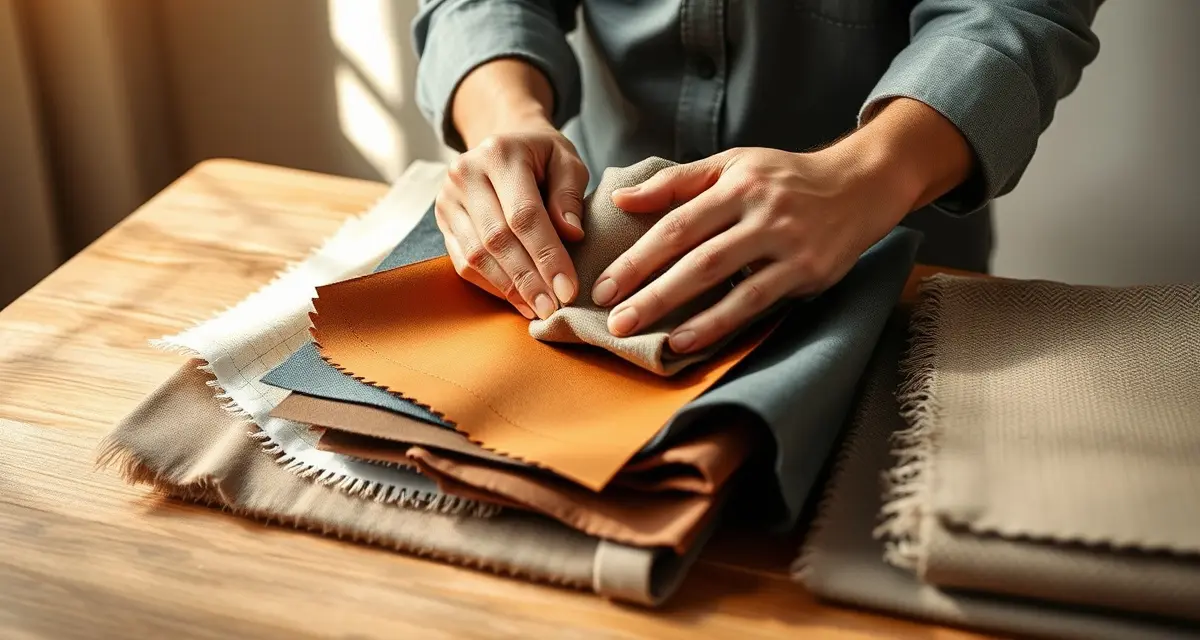
Choosing Upholstery Fabric: A Practical Guide
Fabric selection is where most customers need the most guidance and where most shops have the most opportunity to demonstrate expertise. A customer who chose the wrong fabric and ends up with a chair that is showing wear in two years will blame the upholsterer, not the fabric. Taking a few minutes to guide customers through appropriate fabric selection is part of the job.
Understanding the Double Rub Rating
Double rub ratings measure how many times a fabric can be rubbed back and forth before it shows significant wear. The scale runs from residential to heavy commercial:
Residential light use: 15,000 double rubs or fewer. Decorative fabrics, bedrooms, lightly used rooms.
Residential heavy use: 15,000 to 25,000 double rubs. Main living spaces, family rooms, everyday furniture.
Commercial grade: 30,000 double rubs and above. Contract seating, waiting rooms, high-traffic residential use like kids' furniture.
When a customer has an active household with kids or pets, steer them to 25,000 double rubs minimum. The extra cost of a more durable fabric is far less than a premature re-do.
Fiber Types and Their Characteristics
Cotton and cotton blends. Breathable, comfortable, can be dyed to a wide range of colors. Less stain-resistant than synthetics. Good for formal pieces that see lighter use.
Linen and linen blends. Natural look and texture, breathable, popular for casual styles. More prone to wrinkling and pilling than synthetics. Less suitable for households with pets or heavy use.
Polyester and poly blends. Durable, stain-resistant, holds color well. The workhouse of residential upholstery fabrics. Modern polyester textiles have come a long way in texture and appearance.
Velvet. Formal and luxurious. Requires attention to nap direction during cutting and application. Crushes with use but recovers if cleaned properly. Not ideal for households with pets who scratch.
Performance fabrics. Solution-dyed acrylics and coated wovens offer high durability, stain resistance, and in many cases outdoor suitability. Prices have come down significantly and quality has improved. Worth discussing with customers who have active households.
Leather and vinyl. Durable, easy to clean, appropriate for many applications. Leather breathes; vinyl does not. Both require different tools and technique than fabric.
Pattern Matching Considerations
Fabric with a large pattern repeat requires additional yardage to match patterns across seat cushions, back panels, and arms. A pattern with a 24-inch repeat on a three-seat sofa can add 15 to 25 percent to the fabric requirement over a solid or small pattern.
Calculate the pattern repeat into your fabric estimate before quoting. Customers who discover they need significantly more fabric than they expected after the quote has been presented will feel like the price changed even if the reason is legitimate.
Fabric for Specific Uses
Outdoor furniture requires UV-resistant, moisture-wicking fabric that can handle wet conditions. Solution-dyed acrylic is the standard. Do not use indoor fabric on outdoor furniture regardless of what the customer requests; it will fail and they will blame you.
Pet-friendly fabrics have tighter weaves that resist claw pulls, are easy to clean, and resist odor. Microfiber, tight twills, and specific performance fabrics designed for pet households are worth stocking samples of if you serve residential clients.
Presenting Options to Customers
Show fabric samples in context when possible. A customer looking at a 4x4-inch sample cannot fully visualize how a pattern will look across an entire chair. If you have corner samples or memo samples large enough to drape over part of the piece, that visualization helps customers make confident decisions.
StitchDesk's customer records let you track fabric choices per job so you have a reference when customers return for future work. See also: how to quote pattern repeat jobs and reupholstery quote template.