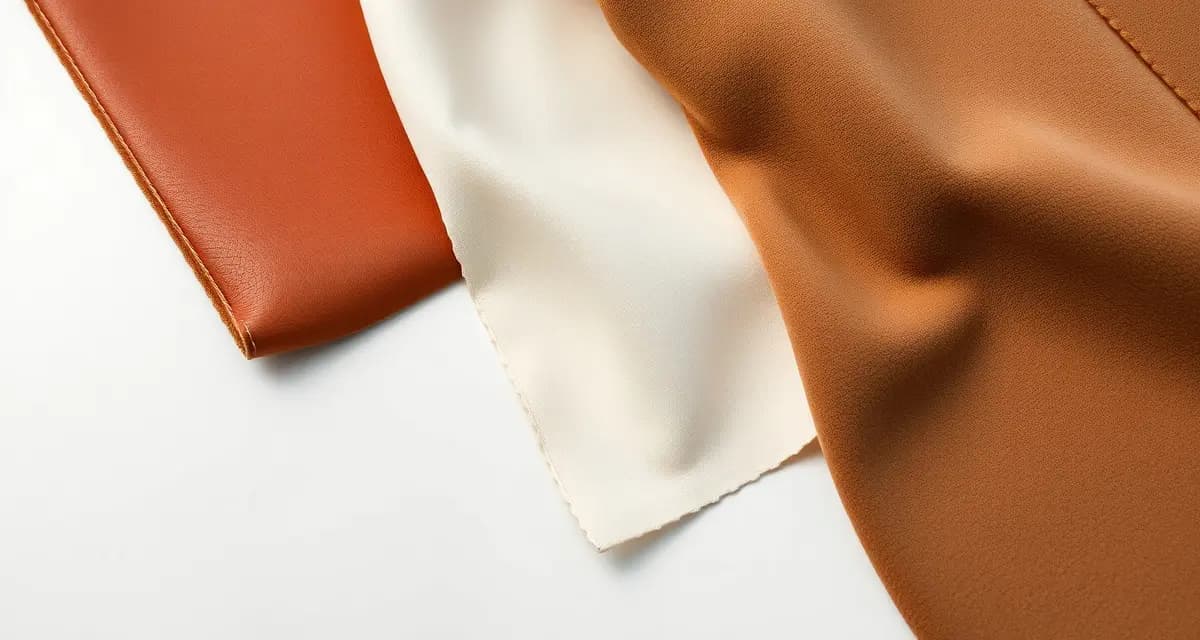
Automotive Upholstery Fabric Guide: Leather Vinyl and Alcantara
Automotive interiors reach 160 degrees Fahrenheit in summer sun. Fabric that isn't heat-rated for that temperature range degrades and off-gasses within 12-18 months. That's not a marginal failure, it's a cracking headliner, peeling seat bolsters, or vinyl that goes sticky and transfers to clothing. Every material choice in automotive upholstery has to be evaluated against that thermal reality first.
This guide covers the four main automotive fabric categories, how each performs under real-world conditions, and the practical considerations for shops looking to add or improve auto upholstery services.
TL;DR
- Automotive upholstery fabric must meet FMVSS 302 flammability standards that standard furniture fabric does not need to meet.
- Automotive vinyl, automotive leather, and woven fabric each have distinct durability and pricing profiles suited to different applications.
- Genuine automotive leather interiors run $800-2,500 in material costs alone for a typical vehicle, before labor.
- Automotive leather is tanned for temperature cycling and UV exposure; furniture leather will crack and fade in a vehicle interior.
- Full interior recovering starts at $1,500 and can exceed $10,000 on premium vehicles with custom work.
- Fabric selection for heated seats must account for heat transfer, as thick materials reduce heating effectiveness.
Genuine Leather
Genuine automotive leather is a different product from furniture leather. It's thinner (typically 0.9-1.2mm vs 1.4-1.8mm for furniture), heat-treated to a higher degree of flexibility, and perforated in performance trims to allow airflow through heated and ventilated seat systems.
The key quality markers for automotive leather:
Grain type. Full-grain leather is the most durable. Corrected-grain leather has the surface sanded and embossed, which reduces durability but provides a more uniform look. Most OEM automotive leather is corrected-grain. Top-grain leather (sanded but not embossed) sits in between.
Finish. Automotive leather receives a protective top coat that's critical for UV and heat resistance. Look for leather with a finish rated for interior UV exposure. Unfinished or minimally finished leather used for furniture upholstery will crack in a car interior within 1-2 seasons.
Heat performance. Quality automotive leather handles repeated heat cycles (160°F in summer, below freezing in winter) without notable cracking or surface breakdown. Budget leather without heat-rated finishing will crack at temperature extremes.
Cost: $15-40 per square foot, typically ordered by square foot rather than by yard.
Automotive Vinyl
Automotive vinyl is the most common material for entry-level and mid-grade auto interiors, and for restoration work where the original material was vinyl. It divides into three categories for practical purposes:
OEM-style automotive vinyl is designed specifically for vehicle interiors. It's heat-stabilized, UV-rated, and formulated to resist the petrochemical exposure from sunscreens, skin oils, and off-gassing from other interior plastics. This is the right choice for restoration work on vehicles with original vinyl interiors.
Marine vinyl can work in auto applications for tops and convertible interiors. It handles UV better than standard vinyl, though it's heavier than OEM-style auto vinyl and may not be appropriate for seat surfaces where OEM dimensions matter.
General PVC vinyl marketed as "upholstery vinyl" without automotive-specific ratings is inappropriate for vehicle interiors. It will crack in the heat cycles of a car interior within a season. Always confirm vinyl carries automotive interior ratings before ordering for a vehicle job.
Automotive vinyl is typically available in 54-inch widths and ordered by the yard.
Alcantara and Microsuede
Alcantara is a branded synthetic microsuede used in high-end automotive interiors and a growing category of restoration work. It's polyester-based, heat-bonded to a polyurethane substrate, and provides the tactile feel of suede without the maintenance challenges of genuine suede.
Performance properties:
- Heat rating up to 250°F, well above car interior temperatures
- UV resistant for interior use (not outdoor-rated)
- Highly breathable, which matters for seat comfort in heated climates
- Grips clothing, which drivers prefer over slippery leather for sports car seats
Alcantara is demanding to work with. It requires precise cutting to maintain consistent pile direction, it doesn't tolerate rework (needle holes are permanent), and it needs to be bonded rather than stapled in most applications.
Generic microsuede alternatives to branded Alcantara vary considerably in heat resistance. If you're working in a premium application, use the genuine product. The cost difference is real but the performance gap justifies it.
Cost: $25-55 per yard.
Automotive Cloth
Woven automotive cloth is the default material for most passenger vehicle seats in the non-luxury segment. It's durable (typically 50,000-100,000+ Wyzenbeek rub count), heat-resistant, and available in OEM-matched patterns for restoration work.
The main categories:
Jacquard automotive cloth uses complex weaves to create patterns within the fabric structure. OEM seat centers use these weaves to create bolster and insert patterns without printing or embossing. Pattern-matching for replacement panels is a notable part of the skill in automotive cloth work.
Cut-and-sew automotive cloth is plain woven cloth combined with foam backing for use in flat upholstery sections. It's the workhorse material for door panel inserts, headliners, and seat panels in non-luxury vehicles.
Headliner material is a specialized category: woven or non-woven backing bonded to foam, designed to bond to the headliner substrate. Headliner material is not interchangeable with seat cloth for most applications.
Heat and UV Performance Comparison
| Material | Heat Tolerance | UV Resistance | Off-Gas Risk |
|---|---|---|---|
| Genuine automotive leather | Excellent | Good with finish | Low |
| Automotive vinyl (OEM-rated) | Excellent | Excellent | Low |
| Alcantara | Excellent | Good | Very low |
| Automotive cloth | Very good | Good | Very low |
| Furniture vinyl | Poor | Poor | High |
| Marine vinyl | Good | Excellent | Low |
The off-gas risk column matters. Vinyl compounds that aren't automotive-rated can release plasticizers as they heat up, creating the "new car smell" gone wrong, fogged windows, and potential health concerns in enclosed spaces.
Yardage for Automotive Work
Automotive yardage is calculated differently from furniture. You're working around seat frames, foam bolsters, heating element positions, and ventilation perforations. The front seat alone may have 8-12 fabric zones.
Use the fabric yardage calculator for auto upholstery to map each zone. For pattern-matched automotive cloth, add 25-35% for pattern alignment waste. For vinyl and Alcantara where grain and pile direction must be consistent, add 15-20%.
The auto upholstery guide covers techniques for each material type and how to sequence panel installation around seat mechanisms.
Frequently Asked Questions
What fabric is used for automotive upholstery?
The most common automotive materials are OEM-grade automotive vinyl (for budget and mid-range vehicles), genuine automotive leather (for luxury and premium vehicles), Alcantara microsuede (for high-performance and luxury vehicles), and woven automotive cloth (for standard passenger vehicles). Each has specific heat and UV ratings required for vehicle interior conditions. Furniture or general outdoor fabrics aren't appropriate for automotive applications.
How long does car upholstery last?
Quality automotive upholstery using properly rated materials typically lasts 5-10 years with normal use. Genuine leather with proper conditioner maintenance can last 15+ years. Automotive vinyl without automotive-specific ratings may start cracking within 12-18 months in hot climates. Fabric longevity depends heavily on UV exposure, temperature cycles, and whether the material was specifically rated for automotive interior conditions.
What is the most durable material for car seats?
For overall durability, OEM-grade automotive vinyl is the most wear-resistant option and handles heat and UV well. For high-end applications, genuine automotive leather with a quality protective finish is highly durable with proper care. Alcantara is extremely durable in terms of abrasion resistance and maintains its tactile quality for many years. Woven automotive cloth with high rub counts handles heavy daily use well. The right choice depends on the vehicle, use case, and client budget.
What thread should I use for automotive upholstery?
UV-stabilized polyester thread is the standard for automotive upholstery seams that will be exposed to sunlight. Standard cotton or polyester thread not treated for UV degrades rapidly in vehicle interiors, particularly on dashboards, door panels, and convertible tops. For headliners and other interior surfaces shielded from direct sun, standard upholstery thread is acceptable. Always use the thread weight specified for your machine and material combination.
Related Articles
Sources
- Automotive Trim, Restyling and Accessory Connection (ATRAX)
- Specialty Equipment Market Association (SEMA)
- National Upholstery Association
- Upholstered Furniture Action Council (UFAC)
Get Started with StitchDesk
Auto upholstery shops deal with diverse job types, material specifications, and pricing variables that generic shop tools were not designed for. StitchDesk's quoting and job tracking tools help auto upholstery shops document scope, track materials, and deliver professional quotes. Try StitchDesk free and see how it handles your specific workflow.