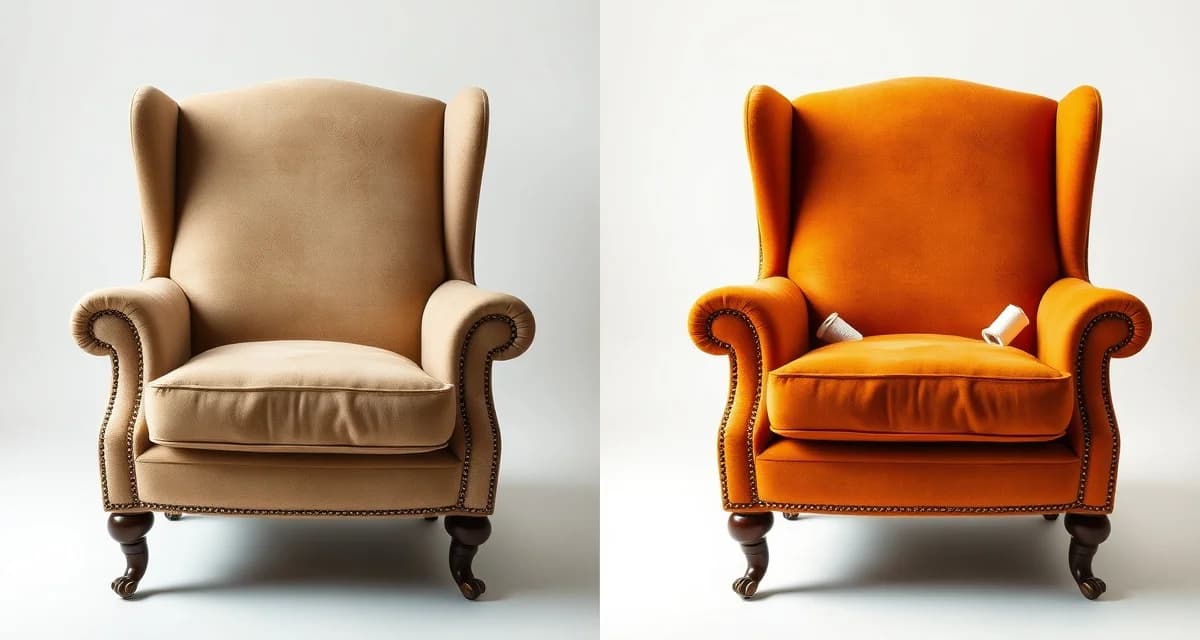
Is It Worth Reupholstering Furniture?
The short answer: yes, if the frame is worth it.
The longer answer: reupholstery makes financial sense for quality original pieces, sentimental pieces where replacement isn't really an option, and situations where you can't find new furniture that matches your space. It doesn't make sense for low-quality furniture or pieces with compromised frames.
Here's how to decide.
TL;DR
- Direct answers to common upholstery questions help clients make informed decisions before contacting a shop.
- Reupholstery pricing requires specific information about furniture type, fabric choice, and frame condition to be accurate.
- Getting multiple local quotes is the most reliable way to determine what a specific job costs in your market.
- Reupholstery is typically worth considering when the frame is solid, the piece has design or sentimental value, and cost is under 60% of equivalent new furniture.
- Professional upholsterers can assess whether a piece is worth reupholstering at an initial consultation, often at no charge.
- Fabric choice has the biggest single impact on both cost and longevity of reupholstery work.
The Frame Test
The frame determines everything. A high-quality frame is what makes reupholstery cost-effective. A poor frame makes it a waste of money.
Signs the frame is worth reupholstering:
- Solid wood construction (you can hear it, not hollow particle board)
- 8-way hand-tied coil springs or a sinuous spring system that's still functional
- Mortise and tenon or doweled joints, not staples and glue
- Pre-1990s American or European furniture in most cases
- Custom or designer pieces built on solid frames at original purchase
Signs the frame is not worth it:
- Particleboard or MDF frame members (flex when pressed, hollow sound)
- Broken frame joints that need structural repair
- Spring system that's collapsed and would need complete replacement
- Original piece cost under $500 new (usually indicates frame quality to match)
- Water damage to the frame itself
The practical test: push on the frame structure at the corners and the back rail. A quality frame should have zero flex. Flex at joints means the frame is failing.
The 70% Rule
A commonly used industry rule: if reupholstery costs more than 70% of the replacement cost of a comparable new piece, buy new. If it costs less than 70%, reupholster, especially if the frame quality is higher than what you'd get in new furniture.
Example 1: Wing chair
- New comparable quality wing chair: $1,800
- Reupholstery estimate: $900–$1,200
- That's 50–67% of replacement cost. Reupholster.
Example 2: Basic sofa
- New comparable sofa: $900
- Reupholstery estimate: $1,400–$1,800
- That's over 100% of replacement cost. Buy new.
The exception to the 70% rule is always quality. A $3,000 reupholstery on a solid mahogany Chesterfield frame that couldn't be replaced for less than $8,000 new is an obvious win. A $900 reupholstery on a $400 original piece doesn't make financial sense regardless of the 70% calculation.
Sentimental Pieces: Different Math
Some furniture isn't about the money. A grandmother's wingback chair, a grandfather's recliner, a sofa from a meaningful home, these pieces don't have a "replacement cost" because replacement isn't the goal.
For sentimental pieces, the math shifts to: does the frame hold up structurally? If yes, reupholstery is the right call regardless of price comparison, because you're preserving the piece, not buying a piece of furniture.
Be honest with clients about frame condition here. If the frame isn't structurally sound, you can tell them "the wood frame is fine but the spring unit needs full replacement", that's a different conversation than "this piece isn't worth reupholstering." Give them accurate information and let them decide.
What Reupholstery Gets You That New Furniture Doesn't
Frame quality. Pre-1990s American furniture was built better than most of what's available under $2,000 today. The frame was constructed to last 50 years. Most new furniture at mid-market price points has a lifespan of 10–15 years.
Custom fabric. You pick exactly what you want, color, material, pattern. New furniture gives you whatever colorways the manufacturer offers.
Correct scale. Older furniture often fits older homes better. Modern scale furniture in a pre-war apartment can look wrong. Reupholstering the original piece preserves the scale.
Quality foam and cushioning. Reupholstery replaces the foam with new, specified-grade material, 1.8 lb density for backs, 2.5 lb for seats. New furniture at mid-market uses whatever foam grade the manufacturer chose, which is often less than ideal for longevity.
The Honest Conversation
As an upholstery shop, your job is to give the client an accurate read on their piece. Sometimes that means telling them reupholstery isn't the right call.
A frame that needs $300 in structural repair plus $1,400 in fabric and labor on a piece that sells used for $200, that's a conversation to have before you start, not after. Tell the client the frame has issues. Estimate the full cost including repairs. Let them decide.
Clients who get honest assessments refer other clients. Shops that take every job without recommending against bad ones build a reputation for overcharging. The long-term business is built on the former.
FAQ
When is reupholstering furniture not worth it?
Reupholstery is typically not worth it when: the original piece had a low-quality frame (particleboard, stapled joints), the frame has structural damage that would cost more to repair than the piece is worth, the total reupholstery cost exceeds the replacement cost of a comparable quality piece, or the piece doesn't have sentimental value to justify the expense.
Does reupholstery increase furniture value?
For antique or heirloom pieces, quality reupholstery increases value. For standard residential furniture, it typically doesn't, the restored piece is worth less than the sum of what you paid for it originally plus the reupholstery cost. Reupholstery is about extending the life of a piece you already own, not an investment that returns more than it costs.
How long does reupholstered furniture last?
A quality reupholstery job on a solid frame should last 15–25 years with normal use, assuming appropriate fabric selection. Performance fabrics (30,000+ double rubs) will outlast decorative fabrics on high-use pieces. The limiting factor is usually the foam degrading over time, quality foam at 2.5 lb density typically remains supportive for 10–15 years of daily use. The fabric itself often outlasts the foam on well-done work.
How do I find a reputable upholstery shop near me?
Search Google for upholstery shops in your area and check their Google reviews and photo portfolio. Before-and-after photos are the most reliable indicator of quality. Ask for recommendations from interior designers, furniture stores, or neighbors who have had reupholstery work done. Look for shops that have been in business for several years with a consistent portfolio. Get quotes from at least two or three shops before deciding.
Sources
- National Upholstery Association
- Association of Master Upholsterers and Soft Furnishers (AMUSF)
- Upholstered Furniture Action Council (UFAC)
- Furniture Today (trade publication)
Get Started with StitchDesk
Whether you are a client researching reupholstery options or an upholsterer looking for better tools, StitchDesk was built for the specific needs of furniture upholstery shops. From fabric calculation to client communication, StitchDesk handles the operational details that determine quality and profitability. Start a free trial and see the difference purpose-built software makes.