Upholstery Businesses in New York City: The World's Most Competitive Market
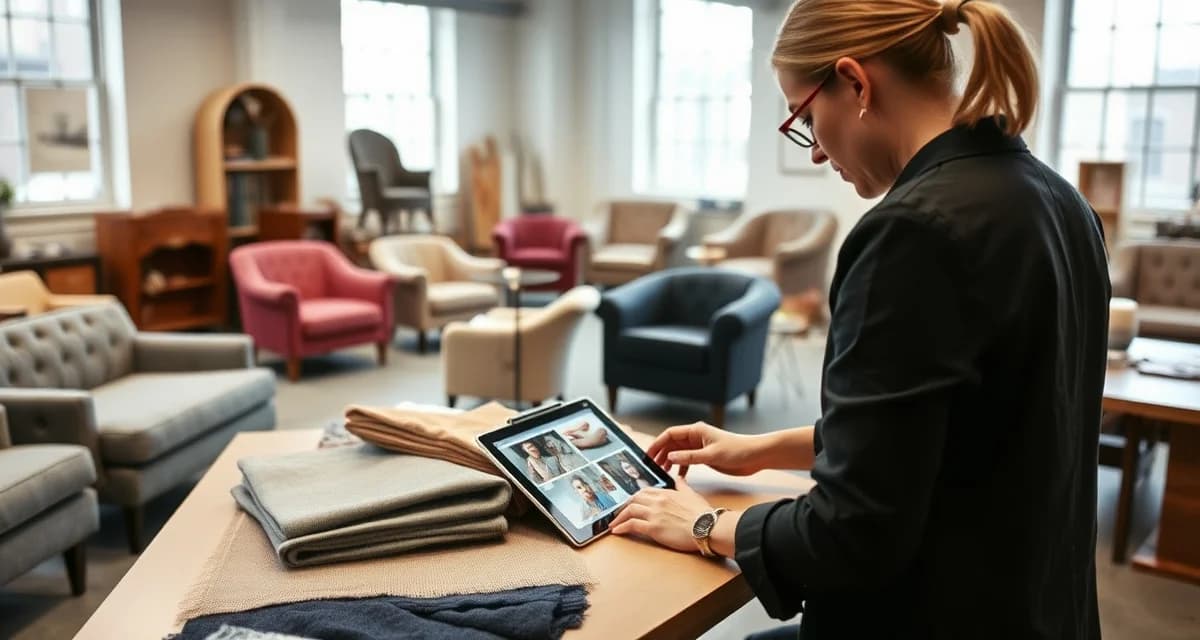
NYC designers expect digital photo updates during production. Shops without a customer portal lose repeat referrals. That's the specific operational requirement that separates NYC upholstery shops that build sustained designer business from those that do occasional designer work without building relationships. The designer's client is asking for updates. The designer needs to give updates. The shop that provides them automatically, without being asked, makes the designer's job easier and earns the next referral.
New York City is the most demanding upholstery market in the world. The concentration of interior design firms, high-net-worth residential clients, luxury commercial properties, and the city's overall standard for professional services creates a market where the baseline is higher than almost anywhere else.
TL;DR
- Upholstery shops in New York City serve both residential and commercial clients, with pricing reflecting local labor and material costs.
- Finding a reputable upholsterer in New York City starts with reviewing portfolio work and Google reviews, not just comparing prices.
- Local shops typically offer faster turnaround than national services because they work within the regional market.
- Pricing in major metro areas runs 15-25% higher than national averages due to higher overhead and labor costs.
- Before-and-after photography is the most reliable way to evaluate an upholstery shop's quality in any market.
- Purpose-built shop management software helps upholsterers in any city manage quotes, fabric, and client communication professionally.
NYC's Market Structure
The high-end residential market encompasses the Upper East Side, the West Village, Tribeca, Brooklyn Heights, and the outer borough premium neighborhoods. These clients have significant furniture (often purchased from European dealers or high-end US showrooms) and expectations that match the quality of what they own.
The interior design market is NYC's most valuable upholstery client segment. The concentration of interior design firms in Chelsea, the Upper East Side, and distributed across Manhattan and Brooklyn means that a single designer relationship can generate 30 to 50 jobs per year at premium ticket sizes. The D&D Building (Decoration & Design Building) on Lexington Avenue is the focal point of the NYC designer community. Being known there is the most direct path to high-volume designer work.
The Hamptons and seasonal markets represent a significant extension of the NYC market. Southampton, East Hampton, and Water Mill clients use NYC-based upholstery shops for their city furniture and often direct Hamptons work to the same shops.
Commercial in NYC includes the hotel and restaurant market (which is enormous), corporate office, and the entertainment and media industries.
What NYC Designers Actually Require
The operational requirements for NYC designer relationships are specific and non-negotiable in this market:
COM fabric documentation. Fabric arrives from the D&D Building showrooms, from European suppliers, from Cowtan & Tout, Schumacher, Kravet, and hundreds of other sources. Every COM receipt needs to be logged: date received, quantity, condition inspection, any issues noted and communicated immediately. A fabric that arrives short or damaged needs to reach the designer within hours of being identified. They need to resolve it with the supplier while there's still time before the project schedule is impacted.
Digital status updates. Designers are managing multiple client projects simultaneously. They need status updates on all open jobs without having to call each shop individually. A customer portal that sends updates when fabric is received, when work begins, and when the piece is ready is what modern NYC designer relationships require.
Professional estimates. When a designer presents your quote to their client, the document needs to look professional. Itemized, clearly labeled, with proper terms and timeline. A handwritten number or a plain text email doesn't meet this standard.
Turnaround reliability. NYC project timelines are determined by client move-in dates, renovation schedules, and seasonal deadlines. Missing a committed completion date disrupts a designer's project and damages their relationship with their client. Shops that deliver on committed dates consistently get the referrals; shops that regularly miss don't.
Operating in NYC: Practical Considerations
New York has specific operational realities that upholstery shops in most other cities don't face:
Space. NYC shop space is expensive. Many NYC upholstery operations are run from outer-borough locations (Brooklyn, Queens, the Bronx) to manage rent while serving Manhattan and Brooklyn clients. Pickup and delivery logistics in NYC traffic is a consideration that requires systems.
Pricing. NYC rates are 2 to 3 times national average for comparable work. This is supported by the market, but it also requires confident pricing communication. A NYC shop that underprice is leaving money on the table; one that overprices without credibility to support it loses work. Knowing your market-appropriate rate and communicating it with confidence is what the NYC premium market requires.
Competition. There are dozens of upholstery shops in the NYC area, from one-person operations to established firms with multiple craftspeople. The competitive differentiation in NYC is professional service, work quality, and relationships. Not primarily price.
Building a NYC Designer Practice
The path to building a significant NYC designer practice:
- Build a strong portfolio with professional photography. NYC designers research shops online before meeting them. Your Instagram and website need to show NYC-caliber work with consistent, professional photography.
- Target the D&D Building community. Attend showroom events, meet designers through industry associations (ASID, IIDA), and position yourself as knowledgeable about the fabrics those showrooms sell. Designers who specify from D&D need upholstery shops that know those fabrics.
- Get one designer relationship working at a high standard. One designer who trusts you completely is worth more than 10 who send occasional one-off jobs. Earn a designer's consistent business through perfect execution and communication, then let them refer you to their peers.
- Invest in the tools the designer needs. COM tracking, customer portal, professional estimates. These aren't nice features. They're the operational infrastructure that makes a designer relationship sustainable.
NYC Pricing Guide
For reference, 2025 NYC market rate ranges:
- Standard residential sofa (3-cushion, fabric, no new foam): $1,200 to $2,000
- Complex/Chesterfield sofa: $2,000 to $4,000
- Chair (full recovery): $450 to $900
- Commercial restaurant booth (per running foot): $180 to $350
- Luxury hotel room chair: $400 to $800
These ranges vary by fabric, complexity, and shop positioning. Top-tier NYC shops working with premium clients on complex pieces charge at or above these ranges.
Frequently Asked Questions
How do upholstery shops succeed in New York City?
The shops that build sustained NYC success share three characteristics: they're excellent at the craft (which is the entry requirement, not the differentiator), they operate with professional systems (COM tracking, customer portal, professional estimates), and they have genuine designer relationships that generate recurring volume. The third is the hardest to build and the most protective once established. A shop with 5 to 10 consistent designer relationships sending regular work is more resilient than a shop with 100 one-time residential clients.
What do NYC interior designers expect from upholstery shops?
Same-day COM receipt logging, status updates without being asked (through a portal or proactive communication), professional estimates that their clients can review, and delivery on committed dates. Beyond operations, designers want shops that understand the fabrics being used and can advise on application: which material works for which use case, what yardage a complex piece actually needs, when a period piece requires a different approach. Technical expertise combined with professional communication is the standard.
What does premium upholstery look like in NYC?
Premium NYC upholstery is characterized by technically correct execution (appropriate seam techniques, accurate pattern matching, hand-tying where the piece requires it), fabric that was handled correctly from receipt through installation, and documentation that creates a record of the work. For antique or museum-quality pieces, it also means material choices that are period-appropriate and reversible. The visual result is furniture that looks exactly as the designer intended, delivered when promised, with no surprises.
How do I choose between upholstery shops in the same city?
Review the portfolio quality of each shop, specifically their before-and-after photography. Check Google reviews for patterns: consistent comments about turnaround time, communication, and quality matter more than a single high or low review. Ask each shop about their current lead time, how they handle fabric shortfalls, and whether they provide a written quote with itemized pricing. The shop that communicates most professionally during the quoting process is usually the one that communicates best throughout the job.
Do upholstery shops in this area charge for in-home consultations?
Most local upholstery shops offer initial consultations at no charge, either in-shop or at your home for larger pieces. Some shops charge a travel fee for home visits beyond a certain distance. Call ahead to confirm the consultation policy before scheduling. An in-person assessment is more accurate than a phone quote for any piece larger than a dining chair.
Related Articles
Sources
- National Upholstery Association
- Association of Master Upholsterers and Soft Furnishers (AMUSF)
- Upholstered Furniture Action Council (UFAC)
- Furniture Today (trade publication)
Get Started with StitchDesk
Upholstery shops in any market compete on quality, turnaround time, and client experience. StitchDesk gives shops purpose-built tools for quoting, fabric calculation, job tracking, and client communication, all designed specifically for the upholstery trade. Try StitchDesk free and see how professional shop software changes what you can deliver.