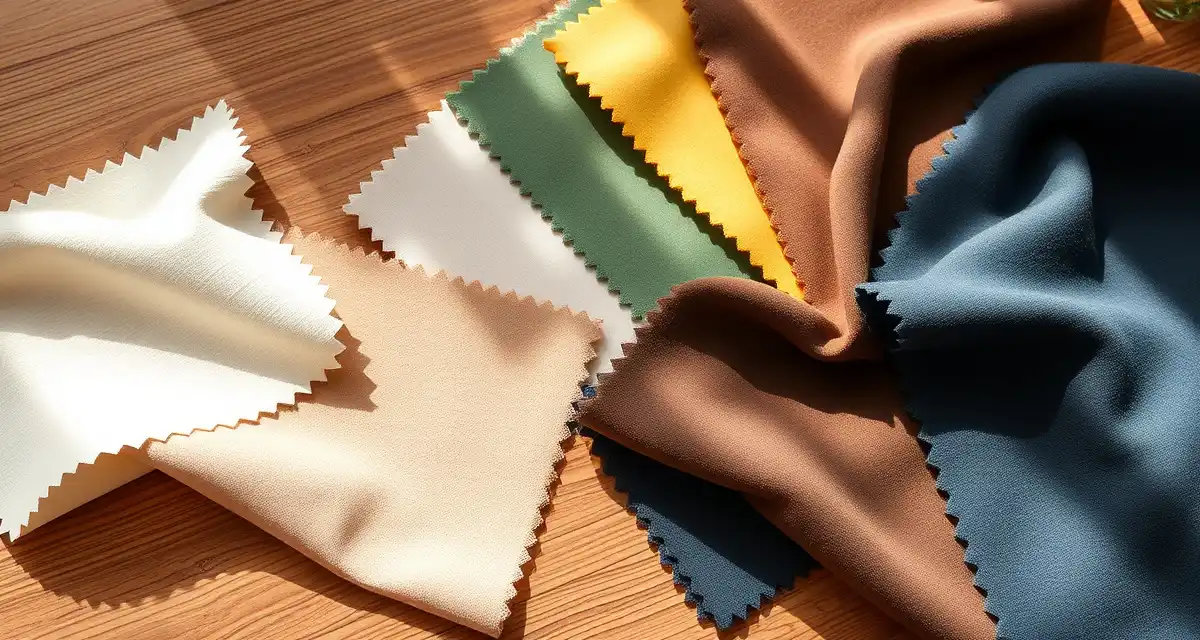
Upholstery Fabric Color Guide: Fading Staining and Longevity
Color choice is what clients remember. They don't think about rub counts or seam allowances, they think about the color of the fabric on their sofa. And that color choice has real durability and satisfaction implications that you can either explain to clients upfront or deal with as callbacks later.
Here's the practical reality: medium-tone fabrics have the lowest callback rate. Light fabrics show soil. Dark fabrics show wear. Both fail the appearance test at roughly the same rate, just from opposite ends.
Understanding color-related durability helps you set accurate expectations and make better recommendations.
TL;DR
- This guide covers the specific techniques, measurements, and decisions that determine quality outcomes in upholstery work.
- Planning and preparation before cutting begins is the most reliable way to avoid costly errors on any upholstery job.
- Fabric selection, yardage calculation, and structural assessment are the three decisions that most affect the final result.
- Experienced upholsterers develop consistent workflows that ensure quality and efficiency across every job type they handle.
- Documenting job details, material specifications, and client approvals protects both the shop and the client.
- The right tools, materials, and techniques for each job type make a measurable difference in quality and profitability.
Light Colors: Soil Is the Problem
Light fabrics, cream, off-white, pale gray, blush, look beautiful when new and show their age quickly. Body oils transfer to light fabric at arm tops and headrests. Food and drink stains are visible immediately. Even the oils from hands on sofa cushions can create a ring-shaped discoloration over time.
Clients who choose light upholstery fabric are typically one of three types:
Type 1: Clients who understand the maintenance commitment and want the light look anyway. These are often clients without kids or pets, with a more formal use case. Great clients, they know what they're getting.
Type 2: Clients who don't understand the maintenance and will be disappointed. Your job is to explain this before they commit: "A cream fabric is going to show everyday use more than a medium tone, are you comfortable cleaning it regularly?"
Type 3: Clients who want light fabric but are convinced to try a performance light fabric. Solution-dyed acrylics, Crypton, and performance weaves in light tones are dramatically easier to maintain than standard light fabrics. If the client is committed to light, this is your best move.
Dark Colors: Wear Shows Differently
Dark fabrics, black, charcoal, deep navy, forest green, don't show soil the way light fabrics do. But they show wear as a lighter, often grayish worn patch. The pile on dark velvet flattens and shows a direction change. Dark performance fabric can lighten slightly where it's repeatedly cleaned with moisture.
Additionally, dark fabrics show lint and pet hair very visibly. If the client has light-colored pets, a dark sofa is going to require constant lint rolling.
Dark fabrics also show sun fading more dramatically than medium tones. A deep navy that fades unevenly (one side of a cushion in sun, the other in shadow) becomes very obvious.
For clients choosing dark fabric, ask: "Do you have light-colored pets? And is this piece near a window with sun exposure?"
Medium Tones: The Practical Middle Ground
Medium tones, warm grays, medium blues, sage, teal, cognac, medium camel, hit a practical sweet spot. They don't show the everyday soil that light fabrics show. They don't expose wear and lint the way dark fabrics do. And they're less susceptible to visible sun fading.
This is the range where most experienced upholstery clients and designers end up. It's not accidental, it's the product of experience with what holds up.
Colorfastness Testing
Before recommending a fabric, especially for a high-investment job, it's worth knowing how colorfast it is. Two concerns:
Crocking: Color rubbing off onto surfaces or other fabrics. Test by rubbing a white cloth firmly against the face fabric and checking for color transfer. Crocking is a notable problem, upholstered furniture in contact with clothing or other fabric pieces should not crock.
UV fading: Color degradation from light exposure. The piece-dyed vs. solution-dyed distinction matters enormously here. Solution-dyed fabrics resist UV fading for years; piece-dyed fabrics can fade visibly within 12 to 24 months in direct sun.
To test a swatch for UV stability, you can place a half-covered swatch in a south-facing window for 2 to 4 weeks. The covered vs. uncovered comparison shows fading susceptibility. This isn't a substitute for supplier documentation, but it's a quick check.
Sun Exposure and Window Placement
For pieces near windows, especially south or west-facing windows, recommend UV-resistant fabric. This doesn't mean outdoor fabric necessarily, but it does mean:
- Solution-dyed fabric over piece-dyed
- Performance fabric with UV inhibitors
- Avoiding dark solid colors that show fading dramatically
- Avoiding natural fibers that fade quickly
If a client specifically wants their formal Victorian sofa in a sunny bay window reupholstered in silk velvet, be honest about the fading risk. Document that you advised them and let them make the decision.
Documenting Color Recommendations
For jobs where the color choice carries risk (very light, very dark, UV exposure, pet household), note your recommendation in the job record. This protects you if a client calls back about how the fabric is aging.
"Shop recommended [specific fabric/color with performance specs]; client selected [different choice] after discussion."
That's not adversarial documentation, it's professional CYA that any reputable shop should maintain.
Frequently Asked Questions
Do light or dark upholstery fabrics last longer?
Neither has a notable durability advantage over the other, they fail from different causes. Light fabrics show soil and staining that becomes embedded over time. Dark fabrics show wear and fading as lighter surface patches develop at high-contact areas and sun-exposed surfaces. Medium tones are the most forgiving for long-term appearance maintenance.
What upholstery fabrics resist fading best?
Solution-dyed fabrics are the most fade-resistant because the dye is in the fiber, not on the surface. Sunbrella and other solution-dyed acrylics carry explicit UV fade warranties. Among indoor fabrics, performance fabrics from major brands typically include UV inhibitors in the treatment. Piece-dyed natural fiber fabrics (cotton, linen) are the most susceptible to UV fading.
How do I test upholstery fabric colorfastness?
For crocking, rub a white cotton cloth firmly against the face fabric 10 times. Check the cloth for color transfer, any notable transfer indicates crocking risk. For UV fading, place a half-masked swatch in direct sunlight for 2 to 4 weeks and compare the exposed vs. covered halves. For a formal test, request the AATCC colorfastness ratings from your supplier, most commercial fabric suppliers have this documentation available on request.
What are the most common mistakes to avoid in this type of work?
The most common mistakes are underestimating material requirements, starting work before the frame is fully assessed and repaired, and skipping the centering and alignment checks before cutting. Each of these is far more expensive to correct after cutting has begun than to prevent at the planning stage. Taking an extra 15-30 minutes at the assessment and planning stage pays dividends throughout the job.
How do I get the best results from a professional upholsterer?
Come to the consultation with clear measurements, photos of the piece, and an idea of the room's color scheme and intended use. Be specific about how the piece will be used: high traffic, pets, children, or outdoor exposure all affect fabric recommendations. Provide fabric samples or accept guidance on appropriate options for your use case. Approve the proof carefully and ask to see the fabric on the piece before final installation if you are uncertain about a pattern or color choice.
When should I consult a professional rather than doing the work myself?
Consult a professional when the piece has structural issues beyond simple fabric replacement, when the piece has significant financial or sentimental value, or when the fabric or technique (tufting, pattern matching, hand-tacking) requires skills you have not developed. A professional assessment before you begin is free at most shops and can prevent costly mistakes on a piece worth preserving.
Related Articles
Sources
- National Upholstery Association
- Association of Master Upholsterers and Soft Furnishers (AMUSF)
- Upholstered Furniture Action Council (UFAC)
- Furniture Today (trade publication)
Get Started with StitchDesk
Running a successful upholstery shop means getting the details right on every job. StitchDesk gives you purpose-built tools for quoting, fabric calculation, job tracking, and client communication, all in one place designed specifically for the trade. Start a free trial and see how StitchDesk supports quality work from intake to delivery.