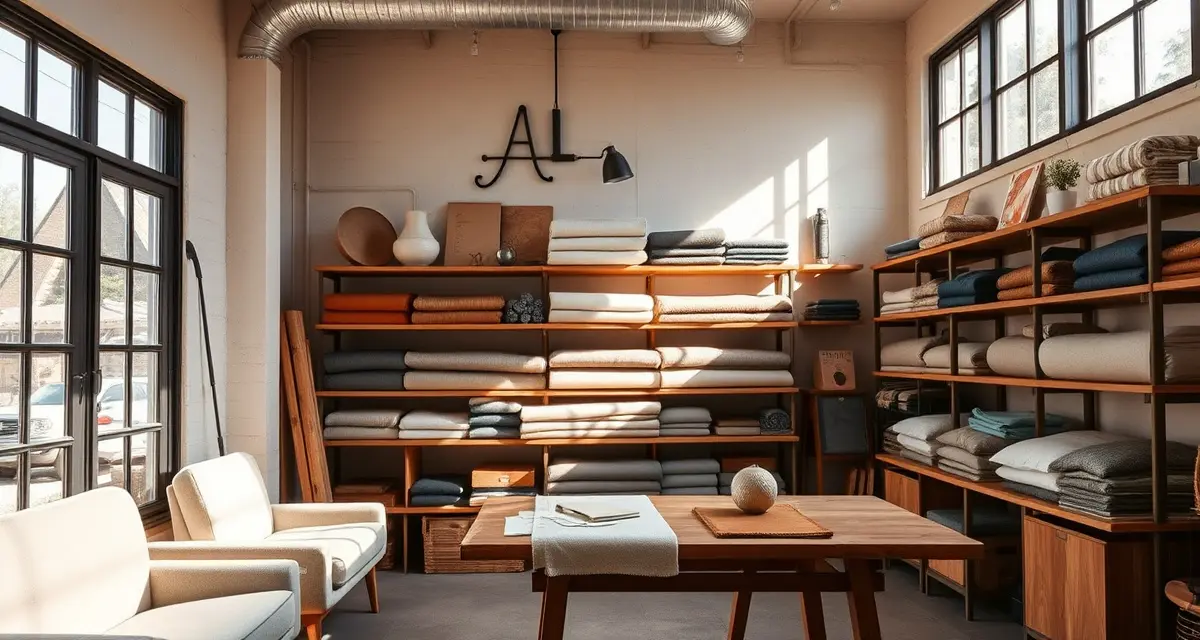
Upholstery Shops in Portland: Sustainability and Design Forward Market
Portland clients cross-shop upholstery shops based on sustainability credentials (a differentiator that matters more here than in any other US market. Before calling a shop, Portland clients check whether the shop mentions sustainable fabric options, whether they discuss eco-friendly practices, and whether they demonstrate knowledge of material origins. This research behavior means that Portland shops with documented sustainability knowledge) visible on their website, Instagram, and in conversation. Capture a client segment that shops without this knowledge simply don't access.
Portland's Pearl District creative economy, Northeast Portland's independent culture, and Southeast Portland's alternative community create a design market that's distinct from any other US city. The Pacific NW's environmental values extend to purchasing decisions across all categories, and upholstery is no exception.
TL;DR
- Upholstery shops in Portland serve both residential and commercial clients, with pricing reflecting local labor and material costs.
- Finding a reputable upholsterer in Portland starts with reviewing portfolio work and Google reviews, not just comparing prices.
- Local shops typically offer faster turnaround than national services because they work within the regional market.
- Pricing in major metro areas runs 15-25% higher than national averages due to higher overhead and labor costs.
- Before-and-after photography is the most reliable way to evaluate an upholstery shop's quality in any market.
- Purpose-built shop management software helps upholsterers in any city manage quotes, fabric, and client communication professionally.
Portland's Market Segments
Pearl District and NW Portland represent Portland's premium design market. Pearl District lofts, NW Portland townhouses, and the adjacent Nob Hill neighborhood have design-forward clients with quality furniture and above-average design knowledge. Interior designers in the Pearl District are the highest-value referral relationship for Portland shops targeting this segment.
Northeast Portland's Irvington, Alameda, and Grant Park neighborhoods have established homes with quality traditional and mid-century furniture. These clients are design-conscious but more price-aware than the Pearl District premium tier.
Southeast Portland (Sellwood, Woodstock, Division Street corridor) has a DIY-adjacent culture that values sustainability and craft quality. These clients research extensively before committing and value knowledge and transparency over brand or reputation.
Portland commercial from the Pearl District restaurant and bar scene, Mississippi Avenue boutique commercial, and the Division/Clinton commercial corridor creates accessible local commercial work.
Portland's Sustainability Conversation
Being able to talk specifically about sustainable fabric options is the single highest-impact differentiator for Portland shops. The conversation that closes Portland clients sounds like:
"For this sofa, I'd recommend looking at a few options. This Sunbrella Fusion is made from recycled content and is extremely durable for a high-traffic piece. If you prefer a natural fiber, this Belgian linen is GOTS certified, which means the whole production chain meets organic standards, and if you want something specifically regional, there's a Pacific NW wool option that's manufactured in Washington State."
That specificity (real knowledge about where materials come from and what their credentials mean) is what Portland clients want and what most shops can't provide. Stocking two or three sustainability-credentialed options and knowing their specs gives you the conversation.
Portland Pricing
Portland residential pricing (2025):
- Standard sofa (3-cushion): $900 to $1,800
- Pearl District premium: $1,100 to $2,200
- Chair (full recovery): $320 to $700
- Sectional: $2,500 to $5,500
Sustainable fabric commands a modest premium over standard fabric (typically 10 to 20% on the material cost, because eco-credentialed materials cost more at wholesale).
Commercial:
- Restaurant booth (per running foot): $120 to $200
- Bar/boutique seating: $130 to $280
For sustainable fabric sourcing, the sustainable upholstery fabric guide covers the material options. For Portland marketing strategy, the upholstery shop marketing guide covers the PDX-specific channels.
Frequently Asked Questions
How do I find upholstery shops in Portland?
Google Maps and Instagram are the primary discovery channels in Portland. Portland clients search visually. Instagram portfolio photography is how they find and evaluate shops before calling. Google Business Profile with recent reviews is the second most important signal. For sustainable or eco-conscious work specifically, some Portland clients search explicitly for "sustainable upholstery Portland" or "eco-friendly furniture restoration Portland." Shops with visible sustainability content on their website capture those searches.
What do Portland upholstery clients look for?
Sustainability knowledge, craft quality, and transparent communication. Portland clients research before contacting (they've looked at your Instagram, read your reviews, and possibly checked your website for information about materials. They want to work with a shop that shares their values (environmental and craft) and can speak knowledgeably about both. The transaction is not just about whether you can upholster their sofa) it's about whether you're the kind of business they want to support.
How much does reupholstery cost in Portland?
Standard residential sofa reupholstery in Portland runs $900 to $1,700. Pearl District premium and eco-credentialed fabric work runs $1,100 to $2,200. Commercial restaurant booth reupholstery runs $120 to $200 per running foot. Portland prices are below Seattle and significantly below San Francisco, but above the national median. Shops that communicate sustainability knowledge and demonstrate craft expertise command prices at the higher end of the local range.
How do I choose between upholstery shops in the same city?
Review the portfolio quality of each shop, specifically their before-and-after photography. Check Google reviews for patterns: consistent comments about turnaround time, communication, and quality matter more than a single high or low review. Ask each shop about their current lead time, how they handle fabric shortfalls, and whether they provide a written quote with itemized pricing. The shop that communicates most professionally during the quoting process is usually the one that communicates best throughout the job.
Do upholstery shops in this area charge for in-home consultations?
Most local upholstery shops offer initial consultations at no charge, either in-shop or at your home for larger pieces. Some shops charge a travel fee for home visits beyond a certain distance. Call ahead to confirm the consultation policy before scheduling. An in-person assessment is more accurate than a phone quote for any piece larger than a dining chair.
Sources
- National Upholstery Association
- Association of Master Upholsterers and Soft Furnishers (AMUSF)
- Upholstered Furniture Action Council (UFAC)
- Furniture Today (trade publication)
Get Started with StitchDesk
Upholstery shops in any market compete on quality, turnaround time, and client experience. StitchDesk gives shops purpose-built tools for quoting, fabric calculation, job tracking, and client communication, all designed specifically for the upholstery trade. Try StitchDesk free and see how professional shop software changes what you can deliver.