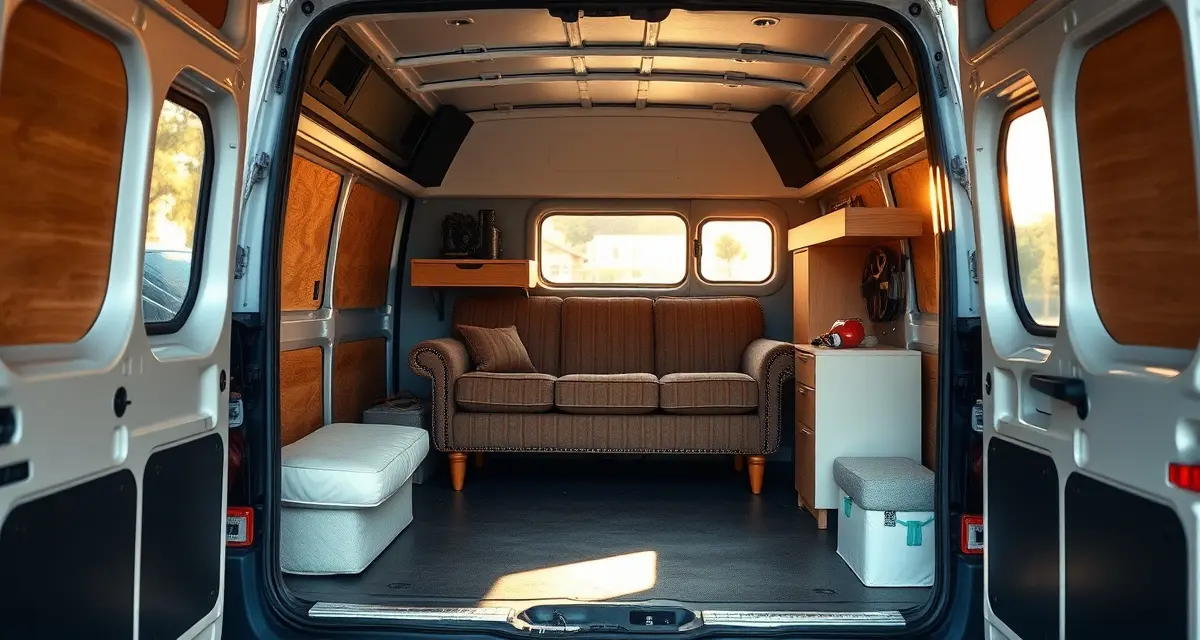
Upholstery Shop Van or Truck Setup: Mobile Shop Organization
Furniture damaged in transit is the most common upholstery shop liability claim -- and it's preventable with a loading protocol. A van or truck set up correctly for furniture pickup and delivery isn't just about protecting furniture. It's about protecting your work, your reputation, and your margins. One damaged corner on a freshly reupholstered camelback sofa means re-pulling the back and replacing fabric at your cost.
This guide covers how to set up your vehicle for pickup and delivery, what to keep on board, and the loading sequence that prevents transit damage.
TL;DR
- A well-managed upholstery shop tracks every job from intake to delivery with documented status at each stage.
- Fabric management, including ordering, receiving, storing, and allocating by job, is operationally the most complex part of running an upholstery shop.
- Client communication (status updates, completion photos, delivery scheduling) reduces inbound calls and increases repeat business.
- Shops that document their workflow can train new employees faster and maintain consistent quality during growth periods.
- Measuring key metrics (jobs per week, average ticket, fabric waste rate) is the foundation of informed business decisions.
- Professional shop management tools pay for themselves through reduced errors and faster quoting, typically within the first quarter.
Choosing the Right Vehicle
Cargo vans work well for residential-scale pickup and delivery. A Ford Transit, Mercedes Sprinter, or Ram ProMaster gives you 7-8 feet of cargo length -- enough for most sofas up to 84 inches loaded diagonally, wingback chairs, and sectional pieces.
Box trucks (14-16 foot) are worth the step up if you're regularly moving 3-piece sectionals, large sectional sofas, or doing commercial runs with multiple pieces. You can fit a full sectional flat without tilting, which reduces stress on frames.
Pickup trucks with enclosed trailers are a lower-cost option for new shops. An 8x12 enclosed trailer handles most residential jobs and costs far less than a dedicated cargo van.
The key measurement: know your interior cargo floor length and height before you accept a job. A Chesterfield at 90 inches on a van with an 85-inch diagonal loading limit is a problem you discover at the client's door.
Furniture Protection Equipment
Furniture blankets (moving blankets): Keep a minimum of 12-15 moving blankets on board. Commercial grade (80 lb woven) protects better than economy versions. Store them folded in a bin or hung on wall hooks.
Stretch wrap (stretch film): Used to secure blankets around furniture legs and corners. Don't use tape directly on finished wood or fabric -- stretch wrap locks everything in without adhesive contact.
Ratchet straps (1-inch, soft loop): At least 4 straps, ideally 6-8. Use soft loop straps or wrap strap hooks in foam to prevent contact with fabric or trim. Never run a bare strap hook across upholstery.
Furniture dollies: One 4-wheel furniture dolly and one appliance dolly. The 4-wheel dolly handles sofas and large chairs on flat surfaces. The appliance dolly handles awkward shapes up stairs or on inclines.
Corner protectors: Cardboard corner guards cut down on frame corner dings during loading and unloading. Worth keeping a pack of 50 in the van at all times.
Van Wall and Floor Setup
Floor: Line your cargo floor with a non-slip rubber mat or cargo liner. Bare metal floors let furniture slide on braking. Rubber matting grips furniture and blankets.
D-ring tie-down anchors: If your van doesn't have them factory-installed, add floor-mounted D-rings or side-rail tie-down tracks. You need anchor points on both sides of the cargo area to run straps across large pieces.
Wall protection: Line the van walls with a layer of 1/4-inch foam board or commercial van liner. Bare metal walls are the most common source of ding marks on arms and backs when furniture shifts.
Vertical storage for blankets and equipment: A simple shelf or hanging rod at the front bulkhead keeps blankets accessible and off the floor during loading.
Sofa Loading Sequence
Most transit damage happens during loading and unloading, not during the drive. Follow this sequence for sofas:
- Wrap the sofa completely in moving blankets before it leaves the client's home. Don't wait until you're at the van -- cover corners and arms first, then secure with stretch wrap.
- Use two people for anything over 80 inches or 100 lbs. Solo carrying causes drops and frame stress.
- Load large pieces against the wall, facing the wall. The back of a sofa is more durable than the face.
- Secure immediately after loading. Don't drive to the next stop before running a strap across the piece.
- Put the heaviest, most stable pieces on the bottom and against the walls. Don't stack chairs on top of sofas.
Furniture Pickup Checklist
Keep a physical or digital checklist in the van for every pickup:
- [ ] Client name and job number confirmed
- [ ] Photograph furniture before pickup (all 4 sides, close-up of any existing damage)
- [ ] Note pre-existing damage in writing and have client acknowledge
- [ ] Wrap in blankets before moving
- [ ] Secure with straps in vehicle
- [ ] Confirm drop-off appointment before leaving
The pre-pickup photo is your liability protection. Any damage documented before loading is not your responsibility. Without those photos, any damage claim becomes a dispute.
What to Keep On Board
Tools:
- Tape measure (for door clearance checks)
- Rubber mallet (for removing legs before transport)
- Adjustable wrench (leg bolts)
- Flashlight
- Furniture sliders (carpet and hardwood versions)
Admin:
- Job intake forms or tablet with your shop management software
- Business cards
- Liability waiver forms for pre-existing damage documentation
Client experience:
- Shoe covers (put them on at every client home -- this is noticed)
- Cloth bags for hardware removed during pickup
Pairing your van protocol with a solid upholstery shop workflow system means the pickup is just the first step in a documented job -- not a separate event you manage from memory.
Frequently Asked Questions
How do I set up a van for upholstery pickup?
The key van setup elements are: non-slip cargo floor liner, wall padding to prevent contact damage, D-ring tie-down anchor points on both sides of the cargo floor, a moving blanket storage system, and at least 4-6 ratchet straps with soft loops. Don't rely on friction alone to hold furniture in transit. Even a short stop at a light can slide an unwrapped sofa into a metal wall. Plan your space so the largest piece you regularly carry loads cleanly without forcing it.
How do I protect furniture in transit for reupholstery?
Wrap every piece completely in moving blankets before it leaves the client's home. Secure the blankets with stretch film so they don't shift. Use ratchet straps with soft loops or padded hooks -- never bare metal hooks on fabric. Load pieces flat against van walls when possible. Take before-and-after photos of every piece at pickup to document pre-existing damage. The goal is no contact between furniture and any hard surface from the moment it's picked up to the moment it's delivered.
What equipment do I need for furniture pickup?
The minimum kit for furniture pickup: 12-15 commercial moving blankets, 1 roll stretch film, 4-6 ratchet straps with soft loops, 1 four-wheel furniture dolly, 1 appliance dolly, corner guards, rubber mallet for removing legs, and a tape measure. Add shoe covers if you want to make a strong impression at client homes. If you're doing pickups solo, invest in furniture sliders for carpet and hardwood -- solo carrying without them causes drops and injury risk.
How do I track multiple jobs at different stages simultaneously?
A job tracking system, whether paper-based or software-based, should give you a clear view of every active job's current stage at a glance. The minimum useful stages are: intake received, fabric ordered, fabric received, work in progress, quality check, ready for pickup/delivery, completed. Software that shows all active jobs on a single dashboard with current stage and due date eliminates the mental overhead of tracking multiple jobs manually.
Related Articles
- Upholstery Shop Workspace Setup: Layout for Productivity
- How to Get Interior Designer Clients for Your Upholstery Shop
Sources
- National Upholstery Association
- Association of Master Upholsterers and Soft Furnishers (AMUSF)
- Upholstered Furniture Action Council (UFAC)
- Furniture Today (trade publication)
Get Started with StitchDesk
A well-run upholstery shop is built on consistent processes, accurate information, and clear client communication. StitchDesk gives you the tools to manage all three from intake to delivery, without the overhead of paper systems or generic software that does not understand the trade. Start a free trial and see how StitchDesk fits your workflow.