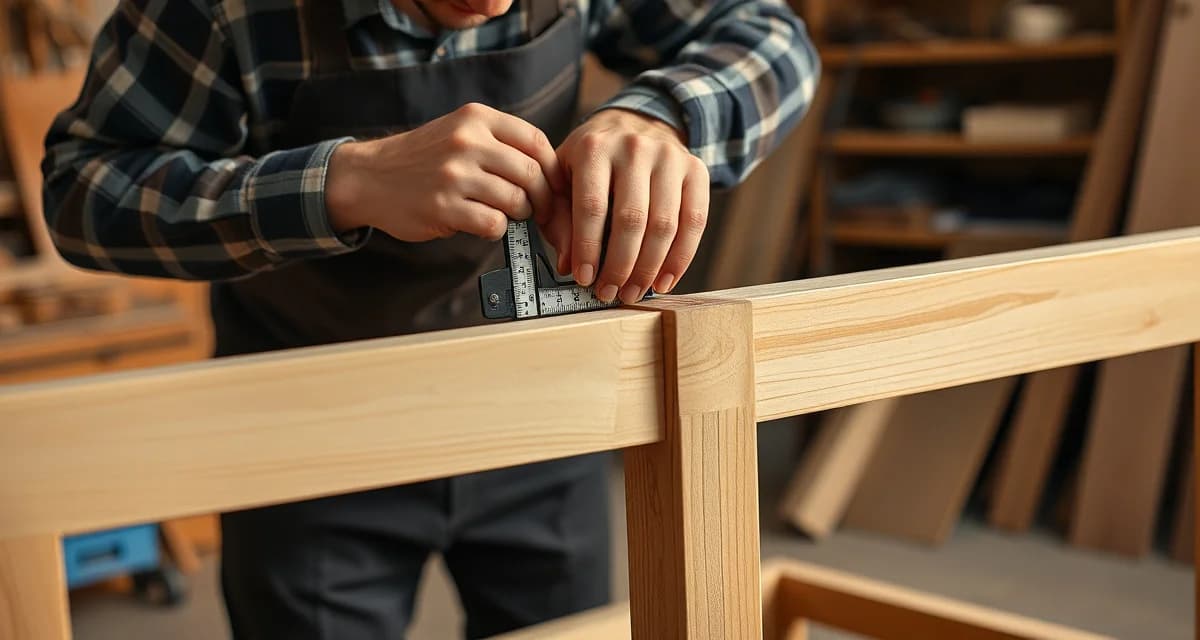
Furniture Frame Inspection Before Reupholstery
A thorough frame inspection before you start stripping fabric determines whether a job will hold up for years or fail at a joint six months after delivery. The frame is the foundation of every upholstery job. Catching frame problems before you invest labor in fabric and fill saves everyone time and money.
Why Frame Inspection Matters
Customers bring in furniture expecting it to come back looking new. If the frame is compromised and fails after delivery, the customer calls you regardless of whether the frame was the issue. A clear pre-work inspection protects you and sets accurate expectations for the customer about what the finished job can achieve.
A piece with a failing frame may not be worth reupholstering. A frame inspection early in the intake process lets you advise the customer honestly rather than delivering a finished piece that will not hold up.
Checking for Structural Integrity
Start with the basics: does the frame wobble when you apply hand pressure? Joints that move indicate dried-out glue, broken dowels, or wood failure. Check all four legs, any crossbraces, and the main seat rails.
Lift the piece. Heavier frames in solid hardwood are more repairable than lightweight plywood and staple construction common in lower-cost furniture. A solid frame that needs glue and clamping is a good candidate for repair. Engineered wood that is delaminating or soft from moisture is not.
Common Frame Problems
Failed glue joints. Visible gaps or movement between frame members is the most common frame issue. Most failed glue joints are repairable with proper clamping and quality wood glue. The joint needs to be cleaned of old adhesive before regluing or the new bond will not hold.
Broken corner blocks. Corner blocks are the reinforcements where seat rails meet. These take significant stress in use. Missing or broken corner blocks are common and straightforward to replace.
Damaged leg attachment. Legs that are loose at the point where they attach to the rail are common in older furniture. Depending on the construction, this can be fixed with glue and mechanical fasteners or requires replacement.
Broken seat rails. A cracked or broken seat rail is a more serious structural issue. Depending on the break location and wood quality, this may require a replacement section or indicate that the piece is not a good reupholstery candidate.
Documenting the Inspection
Write down what you find before you start. A brief note on the work order noting the frame condition, any repairs made, and the state the frame was in before work protects you if the customer later claims a problem existed before pickup.
If you are recommending frame repairs the customer did not anticipate, show them what you found and explain the options before you proceed. Customers who understand why repairs are necessary are more likely to approve them than those who get a call informing them the price went up.
Recommending Against Reupholstery
Not every piece is worth the investment. A frame in poor condition may cost more to repair than the finished piece is worth, or may fail even after repair. Being direct with a customer about this early is better than delivering a piece that fails or disappointing them when the job does not meet their expectations.
StitchDesk's intake workflow includes frame condition documentation so your notes are attached to the job record from the first interaction. See also: how to reupholster an ottoman and upholstery estimate vs quote.