How to Remove Staples from Furniture for Reupholstery
Aggressive staple removal that dents frame rails costs $50-200 in frame repair, the most damaging DIY mistake before reupholstery even starts. The correct technique uses three tools in sequence and takes patience rather than force. Rushing the staple removal damages the frame and creates problems for every step that follows.
This guide covers the full process: tools, sequence, and the specific techniques that protect the frame.
TL;DR
- This guide covers the specific techniques, measurements, and decisions that determine quality outcomes in upholstery work.
- Planning and preparation before cutting begins is the most reliable way to avoid costly errors on any upholstery job.
- Fabric selection, yardage calculation, and structural assessment are the three decisions that most affect the final result.
- Experienced upholsterers develop consistent workflows that ensure quality and efficiency across every job type they handle.
- Documenting job details, material specifications, and client approvals protects both the shop and the client.
- The right tools, materials, and techniques for each job type make a measurable difference in quality and profitability.
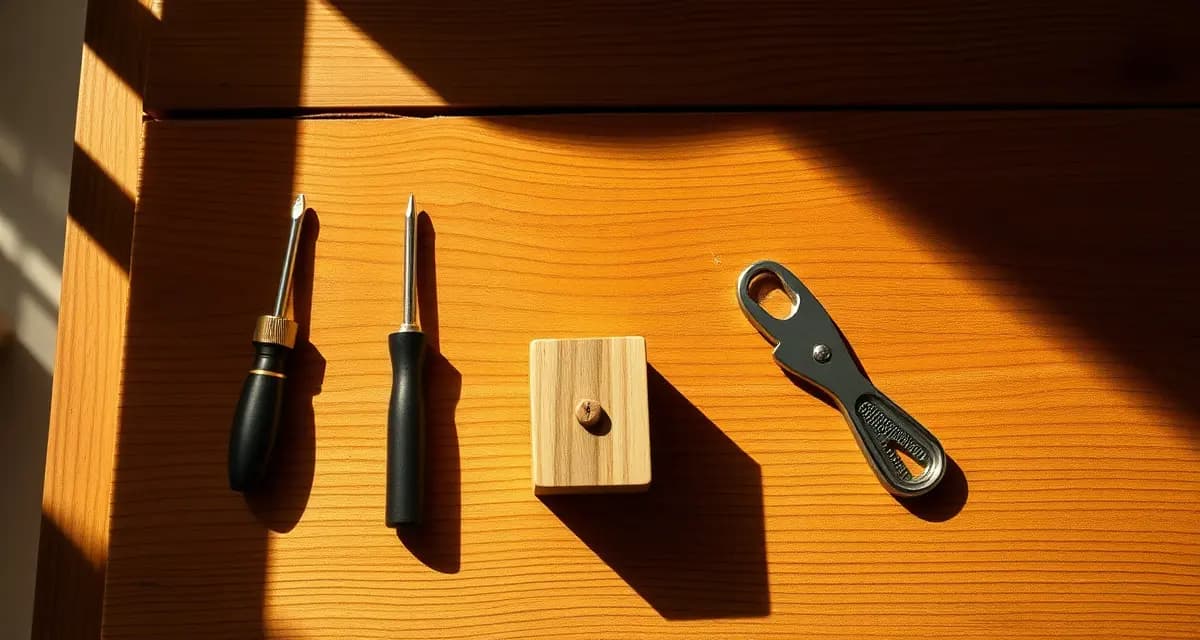
The Three Tools You Need
1. Flat-head screwdriver
A standard flat-head with a 3/16" or 1/4" blade. This is your primary prying tool for lifting staple crowns (the horizontal bar of the staple) away from the wood. Don't use a very large flat-head, the leverage point is too wide and you'll gouge the frame.
2. Upholstery staple remover
A specialty tool with a V-shaped or curved tip that hooks under staple crowns. Better leverage than a screwdriver for well-seated staples. Some upholsterers use a ripping chisel for the same purpose, the angled blade gets under even low-profile staples.
3. Needle-nose pliers
For gripping and pulling the staple shaft after the crown is lifted. Many staples break at the crown during removal, leaving the legs embedded in the wood. Needle-nose pliers pull those out cleanly without gouging.
The Removal Sequence
Step 1: Work in the direction of the staple crown.
Staple crowns are oriented parallel to the edge of the fabric they secure. When you pry, work in line with the crown rather than perpendicular to it. Prying across the crown bends it and makes it harder to remove; working along it allows the crown to lift cleanly.
Step 2: Get the tip of the screwdriver or staple remover under the center of the crown.
Don't start at the corner of a staple, the lever point is wrong and the corner snaps off. Center your tool and apply slow, steady pressure to lift the crown. Listen for the staple giving way. If you're pushing hard and nothing is moving, reposition.
Step 3: Lift, don't lever against the wood.
The leverage point should be the staple itself, not the wood surface. If your tool is digging into the frame to get leverage, you're using too much force or the wrong angle. Reposition to get the tool under the staple rather than into the surrounding wood.
Step 4: Once the crown lifts, switch to needle-nose pliers.
Grip the lifted crown and pull in line with the staple shaft direction (perpendicular to the fabric edge). A slow, steady pull is more effective than a sharp yank. The staple should come out in one piece. If the crown snaps off, locate the remaining shaft legs and pull each one with the pliers.
Step 5: Remove broken staple legs individually.
Broken legs embedded in the wood are not optional to remove. They create bumps under the new fabric and can snag and damage fabric during installation. Use the needle-nose pliers to grip each leg at its base and pull it straight out.
Dealing with Difficult Staples
Rusted or corroded staples: These break more easily. Work slowly and plan to remove more individual legs. If a staple leg is corroded in place and won't pull, a small drill bit (slightly larger than the leg diameter) can drill it out without significant frame damage.
Very old staples over dried-out wood: Old furniture dried for decades can have staples that have essentially become part of the frame. Add a small amount of moisture to the wood around the staple area, wait 5 minutes, and try again. The moisture helps slightly and reduces the risk of the wood splitting.
Staples over previous staples: Older repairs sometimes put new staples directly over old ones. Work them out one layer at a time, noting where the layering occurs so you know the frame history.
What You'll Find Under the Old Fabric
Once the fabric is off and the staples are removed, assess the frame:
Check for loose joints. Wobble the frame and listen for movement. Any loose joint needs to be re-glued and clamped before covering. Stapling fabric over a loose frame creates a piece that looks right but feels wrong, and the joint fails sooner under the stress of the fabric.
Check for soft spots. Press on the frame rails. Old furniture sometimes has wood damage from moisture or insects that isn't visible until the fabric is off. Soft spots need reinforcement or replacement before re-covering.
Note staple placement. Understanding where the original staples were placed tells you how the fabric was tensioned on the last job. This is useful reference data for re-covering.
Related Articles
- Mid-Century Modern Furniture Reupholstery: Style Authenticity Guide
- Outdoor Furniture Reupholstery: Fabric Foam and Water Drainage
- Reupholstery vs New Furniture: When Does Reupholstery Win?
FAQ
How do I remove staples from old upholstery?
Use three tools in sequence: a flat-head screwdriver or ripping chisel to lift the staple crown, needle-nose pliers to pull it out, and needle-nose pliers again to remove any broken legs left in the wood. Work in line with the staple crown direction, apply slow steady pressure rather than sudden force, and always remove broken legs individually, they'll create bumps under the new fabric if left in place. Budget 45-90 minutes for full staple removal on a sofa; it takes longer than expected on old furniture with many staple layers.
What tool removes upholstery staples?
The most effective tool combination is a specialty upholstery staple remover (a V-tipped or curved tool that hooks under staple crowns) plus needle-nose pliers for removal and broken leg extraction. A flat-head screwdriver works as a substitute for the staple remover on most applications. Avoid using a utility knife or any sharp blade as a prying tool, it's easy to gouge the frame. The upholstery staple remover (sometimes called a ripping chisel) costs $10-20 and is the most useful single-purpose tool for this task.
How do I avoid damaging furniture during staple removal?
Keep your leverage point on the staple rather than the wood. The tool tip should be under the staple crown, not digging into the frame for leverage. Work slowly, staple removal that requires significant force is usually force applied at the wrong angle. When you feel resistance, stop and reposition rather than pushing through. Broken crown legs left in the wood are better handled with needle-nose pliers than with a screwdriver trying to dig them out, which always damages the surrounding wood more than the leg itself would.
What are the most common mistakes to avoid in this type of work?
The most common mistakes are underestimating material requirements, starting work before the frame is fully assessed and repaired, and skipping the centering and alignment checks before cutting. Each of these is far more expensive to correct after cutting has begun than to prevent at the planning stage. Taking an extra 15-30 minutes at the assessment and planning stage pays dividends throughout the job.
How do I get the best results from a professional upholsterer?
Come to the consultation with clear measurements, photos of the piece, and an idea of the room's color scheme and intended use. Be specific about how the piece will be used: high traffic, pets, children, or outdoor exposure all affect fabric recommendations. Provide fabric samples or accept guidance on appropriate options for your use case. Approve the proof carefully and ask to see the fabric on the piece before final installation if you are uncertain about a pattern or color choice.
When should I consult a professional rather than doing the work myself?
Consult a professional when the piece has structural issues beyond simple fabric replacement, when the piece has significant financial or sentimental value, or when the fabric or technique (tufting, pattern matching, hand-tacking) requires skills you have not developed. A professional assessment before you begin is free at most shops and can prevent costly mistakes on a piece worth preserving.
Sources
- National Upholstery Association
- Association of Master Upholsterers and Soft Furnishers (AMUSF)
- Upholstered Furniture Action Council (UFAC)
- Furniture Today (trade publication)
Get Started with StitchDesk
Running a successful upholstery shop means getting the details right on every job. StitchDesk gives you purpose-built tools for quoting, fabric calculation, job tracking, and client communication, all in one place designed specifically for the trade. Start a free trial and see how StitchDesk supports quality work from intake to delivery.