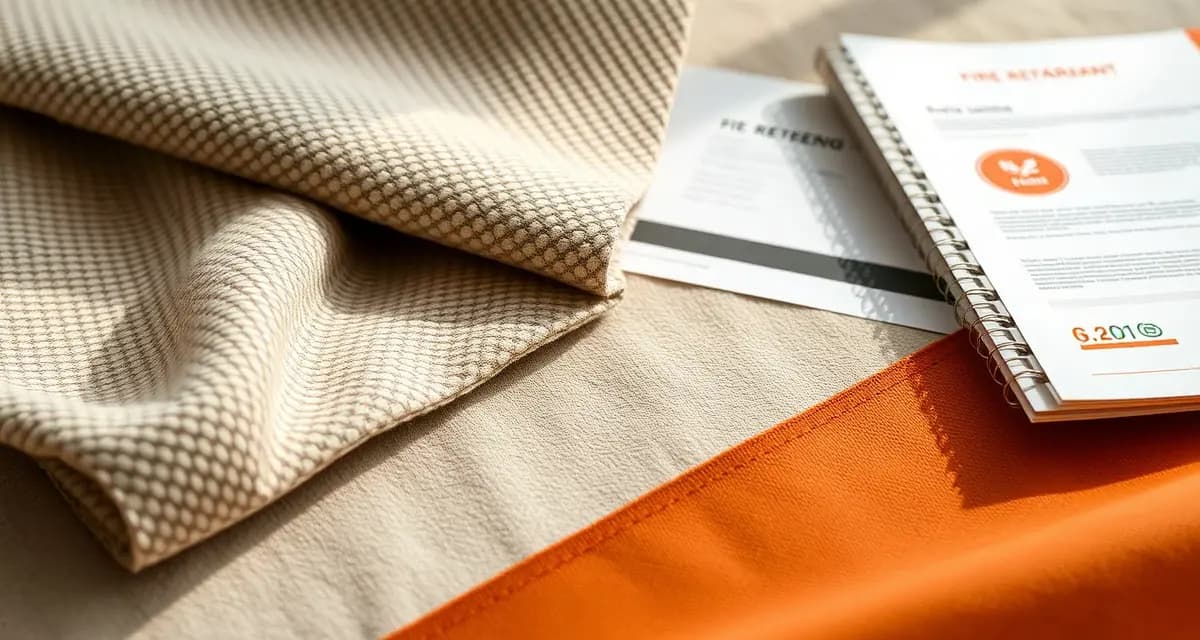
Fire Retardant Upholstery Fabric: When It's Required
California TB 117 applies to all residential upholstered furniture sold in California, most shops don't check compliance on COM fabric. This is the most commonly missed compliance requirement in upholstery, partly because it applies to residential work that shops may not think of as "regulated."
Understanding which standards apply to which projects protects you from liability and helps you specify the right materials for each job.
TL;DR
- This guide covers the specific techniques, measurements, and decisions that determine quality outcomes in upholstery work.
- Planning and preparation before cutting begins is the most reliable way to avoid costly errors on any upholstery job.
- Fabric selection, yardage calculation, and structural assessment are the three decisions that most affect the final result.
- Experienced upholsterers develop consistent workflows that ensure quality and efficiency across every job type they handle.
- Documenting job details, material specifications, and client approvals protects both the shop and the client.
- The right tools, materials, and techniques for each job type make a measurable difference in quality and profitability.
The Fire Standards That Matter for Upholstery
California Technical Bulletin 117 (TB 117/TB 117-2013)
The baseline residential standard. TB 117-2013 applies to all upholstered furniture sold in California and sets smolder-resistance requirements for filling materials (foam, batting). Most polyurethane foam sold in the US is manufactured to meet this standard. The 2013 update moved away from requiring chemically treated fabric and instead focuses on fabric barrier materials and smolder-resistant fill.
What it means practically: foam sold by reputable US suppliers is typically TB 117 compliant. COM fabric from overseas sources may not meet the smolder resistance requirements. When in doubt, ask your foam supplier for their TB 117 compliance statement.
California Technical Bulletin 133 (TB 133)
The high-risk commercial standard, required for seating in high-occupancy areas including hospitals, prisons, psychiatric facilities, and some public assembly areas. TB 133 is significantly more demanding than TB 117 and requires both flame-resistant fabric and FR-treated foam.
If you're quoting commercial upholstery for healthcare, institutional, or high-occupancy spaces, confirm whether TB 133 applies. Delivering non-compliant seating to a TB 133 application is a serious liability risk.
NFPA 260 and NFPA 261
These National Fire Protection Association standards are referenced in many commercial building codes and hotel specifications. NFPA 260 tests cigarette ignition resistance. NFPA 261 tests resistance to match-flame ignition. Many commercial clients, hotels, restaurants, corporate offices, specify these standards in their contracts.
When you receive a commercial bid, look for these codes in the specification sheet. If they're present, confirm that your fabric selection meets the listed standard.
British Standard 5852 (BS 5852)
The UK equivalent, relevant if you're doing any export work or working with clients who have UK connections. Some international hotel brands specify BS 5852 regardless of location.
Requirement Matrix by Project Type
| Project Type | Typically Required | Standard |
|---|---|---|
| Residential (California) | Yes | TB 117-2013 (via foam compliance) |
| Residential (other US states) | Varies by state | Check local code |
| Restaurant/hospitality | Usually | NFPA 260/261 or local equivalent |
| Hotel guest room | Often | NFPA 260/261 or brand standard |
| Healthcare | Yes | TB 133 or NFPA 260/261 |
| Office/corporate | Sometimes | Check building code or client spec |
| Educational/public assembly | Usually | TB 133 or local code |
COM Fabric and FR Compliance
When a designer specifies COM fabric, the responsibility for FR compliance shifts, but doesn't disappear. The shop should:
- Ask the designer whether FR compliance is required for the project
- Request a compliance statement from the fabric manufacturer if FR is required
- Document the exchange in the job file
If a designer specifies non-compliant COM fabric for a TB 133 application and you install it, the liability question becomes complex. Protect yourself by documenting the specification and any compliance conversations.
Inherently FR vs Treated FR Fabric
Inherently flame-resistant fabrics use fiber chemistry to create fire resistance that can't wash out or degrade over time. Modacrylic, certain wools, and some synthetic blends fall in this category.
Treated FR fabrics have fire-retardant chemistry applied to the fabric surface or incorporated into the fiber during manufacturing. Some treatments degrade with cleaning. When clients ask about cleaning, note that commercial FR-treated fabrics should be cleaned using methods that don't compromise the treatment, usually specified on the care label.
Related Articles
- Choosing Upholstery Fabric: A Practical Guide
- Color Family Fabric Planning for Upholstery: Matching and Coordination
FAQ
When is fire retardant fabric required for upholstery?
Commercial and institutional applications almost always require FR-compliant fabric, including healthcare, hospitality, public assembly spaces, and high-occupancy areas. The specific standard depends on the application: TB 133 for high-risk commercial, NFPA 260/261 for standard commercial, TB 117-2013 for California residential. For residential work outside California, there may not be a fabric-specific requirement, though foam must meet smolder resistance standards. When in doubt, ask the client or their designer for the specification, FR requirements are often written into the project documents.
What is California TB 117 for upholstery?
TB 117-2013 (Technical Bulletin 117) is a California standard requiring that upholstered furniture sold in California meet smolder resistance requirements for filling materials. The 2013 version focuses on foam and barrier materials rather than chemically treated fabric. Most foam sold by US suppliers is manufactured to TB 117 standards, but COM fabric from overseas sources may not meet the material smolder resistance component. If you're upholstering furniture to be sold in California, confirm your foam supplier's TB 117 compliance statement and ensure any barrier layer fabric in the construction also meets the standard.
Do I need to specify FR fabric for commercial upholstery?
For most commercial applications, yes. Hotels, healthcare facilities, restaurants, office buildings, and public spaces typically require upholstered seating to meet NFPA 260, NFPA 261, or TB 133 depending on the specific application. These requirements are usually listed in the project specification documents. Ask your commercial client for their seating specification before ordering fabric, commercial clients who have been through the bidding process often have FR requirements in their written specifications. Delivering non-compliant seating to a commercial application creates significant liability exposure.
What are the most common mistakes to avoid in this type of work?
The most common mistakes are underestimating material requirements, starting work before the frame is fully assessed and repaired, and skipping the centering and alignment checks before cutting. Each of these is far more expensive to correct after cutting has begun than to prevent at the planning stage. Taking an extra 15-30 minutes at the assessment and planning stage pays dividends throughout the job.
How do I get the best results from a professional upholsterer?
Come to the consultation with clear measurements, photos of the piece, and an idea of the room's color scheme and intended use. Be specific about how the piece will be used: high traffic, pets, children, or outdoor exposure all affect fabric recommendations. Provide fabric samples or accept guidance on appropriate options for your use case. Approve the proof carefully and ask to see the fabric on the piece before final installation if you are uncertain about a pattern or color choice.
When should I consult a professional rather than doing the work myself?
Consult a professional when the piece has structural issues beyond simple fabric replacement, when the piece has significant financial or sentimental value, or when the fabric or technique (tufting, pattern matching, hand-tacking) requires skills you have not developed. A professional assessment before you begin is free at most shops and can prevent costly mistakes on a piece worth preserving.
Sources
- Upholstered Furniture Action Council (UFAC)
- Association of Master Upholsterers and Soft Furnishers (AMUSF)
- Sustainable Furnishings Council (SFC)
- National Upholstery Association
Get Started with StitchDesk
Running a successful upholstery shop means getting the details right on every job. StitchDesk gives you purpose-built tools for quoting, fabric calculation, job tracking, and client communication, all in one place designed specifically for the trade. Start a free trial and see how StitchDesk supports quality work from intake to delivery.