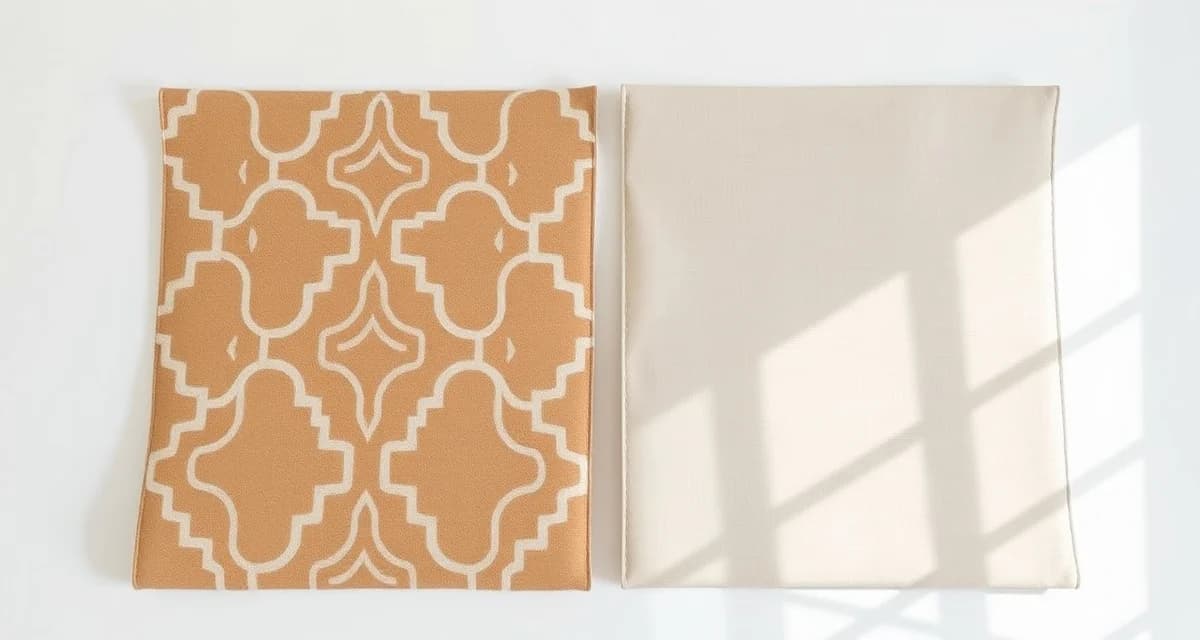
Patterned vs Solid Upholstery Fabric: Cost and Complexity Compared
A large-pattern sofa costs $200-450 more than the same sofa in solid fabric, the full cost comparison clients need before choosing. Most clients focus on the fabric price per yard and miss the yardage and labor premium that patterned fabric adds. This guide shows the complete cost picture and helps you explain it clearly.
TL;DR
- This guide covers the specific techniques, measurements, and decisions that determine quality outcomes in upholstery work.
- Planning and preparation before cutting begins is the most reliable way to avoid costly errors on any upholstery job.
- Fabric selection, yardage calculation, and structural assessment are the three decisions that most affect the final result.
- Experienced upholsterers develop consistent workflows that ensure quality and efficiency across every job type they handle.
- Documenting job details, material specifications, and client approvals protects both the shop and the client.
- The right tools, materials, and techniques for each job type make a measurable difference in quality and profitability.
Where the Cost Comes From
Patterned fabric adds cost through three channels:
1. Extra yardage for pattern matching. Each panel must be cut so the pattern aligns across seams and centers correctly on each surface. This requires offsetting the cut for each piece to find the right starting point in the pattern, which generates waste yardage that wouldn't exist with solid fabric.
2. Layout time. Before cutting, someone must plan the cut layout to decide which element of the pattern centers on each major panel. This planning takes 20-60 minutes depending on complexity, time that isn't required for solid fabric.
3. Matching labor. Cutting each panel from the correct point in the pattern, then checking alignment before sewing, adds time to every stage. Mistakes in matching require cutting new panels.
Yardage Premium by Pattern Repeat
| Pattern Repeat | Extra Yardage (Standard Sofa) | Approximate Fabric Cost Premium |
|---|---|---|
| Under 6 inches | 1-2 yards | $30-120 at $30-60/yard |
| 6-12 inches | 2-4 yards | $60-240 |
| 12-18 inches | 4-6 yards | $120-360 |
| Over 18 inches | 6-8+ yards | $180-480+ |
These ranges assume a standard 3-cushion sofa. Larger sofas or pieces with many separate panels generate more waste.
Labor Premium for Pattern Work
The time required to match a large-repeat pattern adds to labor cost. Typical additions:
- Layout planning: 20-60 minutes
- Pattern verification at each cut: adds 10-15% to cutting time
- Pre-sewing alignment check: adds 5-10% to sewing time
Total labor premium for a large-pattern sofa: 15-20% above the base rate for the same piece in solid fabric. At a $75/hour labor rate, a 15-hour sofa job adds $170-225 in labor for pattern matching.
Combined with the fabric yardage premium, the total additional cost for a large-pattern sofa versus the same sofa in solid fabric runs $200-450 in most markets.
When Patterned Fabric Is Worth It
The case for patterned fabric:
Visual interest on a dominant piece. A sofa is the visual anchor of most living rooms. A well-chosen pattern on a sofa creates a design focus that a solid fabric doesn't. For clients who want a statement piece, the pattern premium is paid for in the design impact.
Pattern covers wear differently. A solid fabric shows wear as color change and surface texture change, both uniformly visible. A pattern breaks up the surface visually and can make moderate wear less apparent between reupholstery cycles.
Coordination with existing elements. A patterned fabric can pull specific colors from the room's rug, artwork, or curtains in a way that solids can't. This design specificity has real value for clients who are thinking carefully about the room.
When Solid Fabric Is the Better Choice
The case for solid fabric:
Simpler combination with other patterns in the room. If the room already has patterned rugs, drapery, or artwork, a solid sofa provides visual rest. Two strong patterns in the same room can conflict.
Lower total cost on an already-expensive job. If the piece is structurally complex (Chesterfield, tufted, camelback) and the labor cost is already high, adding pattern matching costs makes the total significantly more. A client who is already stretching the budget may be better served by a beautiful solid.
Fabric you're not sure about. If the client loves a pattern but has doubts about whether it's right for the space long-term, a solid fabric in the same color family is the lower-regret choice.
How to Present This to Clients
When a client shows you a patterned fabric, the honest presentation is:
"This is a beautiful fabric. The pattern repeat is about 14 inches, which means we'll need an extra 5-6 yards over what we'd need in a solid. At this fabric's price, that's about $240 in additional material. The pattern matching also adds a few hours of labor, so the total premium for this pattern versus a comparable solid is roughly $350-400. It may well be worth it for the visual impact, I just want you to have the full picture before you decide."
Clients who understand this and still choose the pattern are confident in the choice. Clients who didn't know and receive an invoice with the pattern premium added are often surprised and unhappy.
Related Articles
FAQ
Does patterned fabric cost more to upholster?
Yes, through two mechanisms: extra yardage for pattern matching waste, and additional labor for layout planning and alignment work. For a large-repeat pattern (repeat over 12 inches) on a standard sofa, expect $200-450 more than the same job in solid fabric. The fabric cost premium comes from ordering 4-8 extra yards to cover pattern waste; the labor premium adds 15-20% for pattern planning, careful cutting, and alignment verification. The total cost difference should be disclosed at the time of fabric selection, not at the time of invoicing.
How much more yardage does patterned fabric need?
It depends on the repeat size. Small repeats (under 6 inches) add only 1-2 extra yards on a standard sofa. Medium repeats (6-12 inches) add 2-4 yards. Large repeats (over 12 inches) add 4-8 yards or more. Confirm the exact repeat before calculating, repeat size is printed on the fabric label or available from the supplier. For multi-piece projects or sectionals, the extra yardage multiplies across each piece.
Is patterned or solid fabric harder to upholster?
Patterned fabric is significantly harder due to the pattern matching requirements. Every panel must be cut from the correct position in the pattern so elements align across seams and center correctly on key surfaces. This requires planning the cut layout before cutting, careful measurement and marking, and alignment checks before sewing. Mistakes in pattern placement typically require cutting a new panel from fresh yardage. Solid fabric has none of these requirements, any offcut can be used anywhere, and seam alignment is purely structural.
What are the most common mistakes to avoid in this type of work?
The most common mistakes are underestimating material requirements, starting work before the frame is fully assessed and repaired, and skipping the centering and alignment checks before cutting. Each of these is far more expensive to correct after cutting has begun than to prevent at the planning stage. Taking an extra 15-30 minutes at the assessment and planning stage pays dividends throughout the job.
How do I get the best results from a professional upholsterer?
Come to the consultation with clear measurements, photos of the piece, and an idea of the room's color scheme and intended use. Be specific about how the piece will be used: high traffic, pets, children, or outdoor exposure all affect fabric recommendations. Provide fabric samples or accept guidance on appropriate options for your use case. Approve the proof carefully and ask to see the fabric on the piece before final installation if you are uncertain about a pattern or color choice.
When should I consult a professional rather than doing the work myself?
Consult a professional when the piece has structural issues beyond simple fabric replacement, when the piece has significant financial or sentimental value, or when the fabric or technique (tufting, pattern matching, hand-tacking) requires skills you have not developed. A professional assessment before you begin is free at most shops and can prevent costly mistakes on a piece worth preserving.
Sources
- National Upholstery Association
- Association of Master Upholsterers and Soft Furnishers (AMUSF)
- Upholstered Furniture Action Council (UFAC)
- Furniture Today (trade publication)
Get Started with StitchDesk
Running a successful upholstery shop means getting the details right on every job. StitchDesk gives you purpose-built tools for quoting, fabric calculation, job tracking, and client communication, all in one place designed specifically for the trade. Start a free trial and see how StitchDesk supports quality work from intake to delivery.