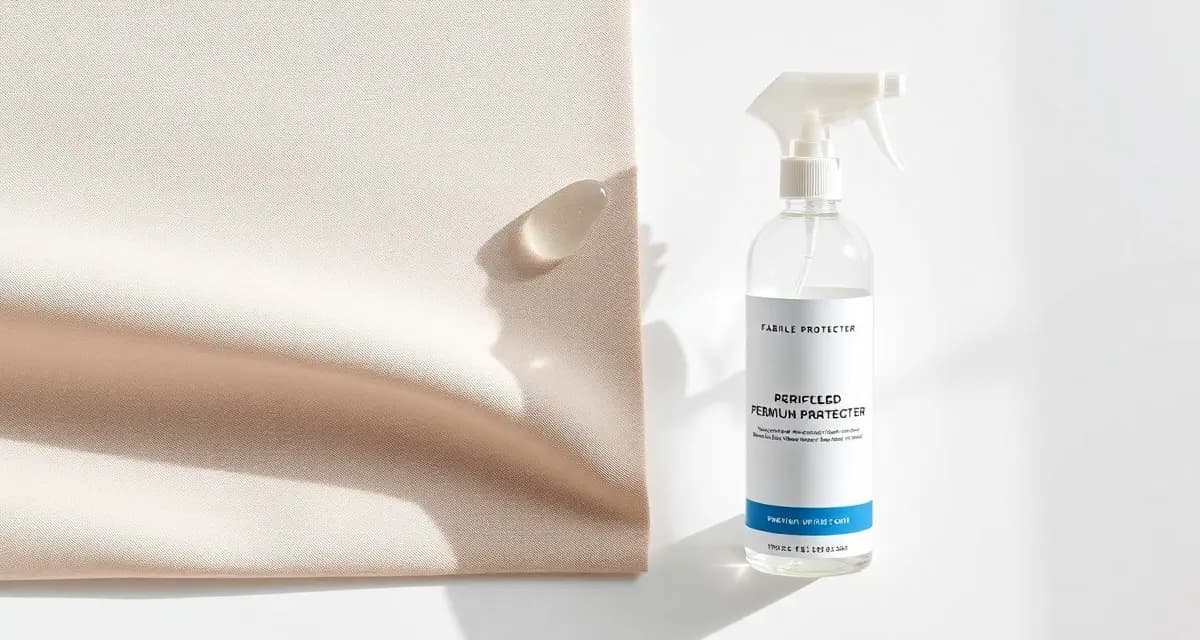
Upholstery Fabric Protection Sprays: What Works and What Doesn't
Built-in performance fabric outperforms spray-on protectors by 3x for stain resistance. A spray protects; it doesn't equal performance fabric. That distinction matters when clients ask whether they need to add spray protection to the performance fabric sofa they just paid a premium for, the answer is no. But it also matters when clients ask whether spray protection is worth adding to a conventional fabric sofa, the answer is: yes, with realistic expectations.
Fabric protection sprays are one of the most common post-delivery questions upholstery shops receive. Here's what the products actually do, how long they last, and when to recommend them.
TL;DR
- This guide covers the specific techniques, measurements, and decisions that determine quality outcomes in upholstery work.
- Planning and preparation before cutting begins is the most reliable way to avoid costly errors on any upholstery job.
- Fabric selection, yardage calculation, and structural assessment are the three decisions that most affect the final result.
- Experienced upholsterers develop consistent workflows that ensure quality and efficiency across every job type they handle.
- Documenting job details, material specifications, and client approvals protects both the shop and the client.
- The right tools, materials, and techniques for each job type make a measurable difference in quality and profitability.
How Spray-On Fabric Protection Works
Fabric protection sprays work by coating individual fibers with a substance that causes liquids to bead on the surface rather than absorbing. The active ingredients are typically fluoropolymer compounds (like those in Scotchgard) or silicone-based treatments.
When applied correctly to a clean fabric surface, the coating creates a contact angle between the liquid and the fiber surface that makes the liquid form a bead rather than wicking into the fiber structure. This gives you time to blot the liquid before it absorbs.
The critical word is "time." Fabric protection spray doesn't make upholstery stain-proof. It buys you a few seconds to a few minutes before the liquid begins to absorb, depending on the fabric construction. For a client who's present when a spill happens, that's enough to prevent staining. For a spill that sits unnoticed for 30 minutes, the protection has already been overwhelmed.
Products in the Category
Scotchgard Fabric and Upholstery Protector
The most recognizable product in the category. Scotchgard uses a fluoropolymer compound to create the repellent coating. It's effective on most fabric types and widely available.
What it does well: Beads water and water-based stains on contact. Adds a measurable delay before oil-based liquids penetrate. Works on most fabric types.
Limitations: Degrades with cleaning, each cleaning session removes some of the protective coating. Needs reapplication every 6-12 months with regular cleaning. Doesn't match performance fabric for stain resistance under prolonged contact.
Water-Based Fabric Protectors
Several alternatives to fluoropolymer-based protectors use silicone or polyurethane compounds instead. These are often marketed as more environmentally friendly.
What they do: Similar bead-and-repel effect to fluoropolymer protectors, though typically with shorter effective duration before reapplication is needed.
Limitations: Shorter effective period than fluoropolymer treatments. Some silicone-based protectors can slightly affect the fabric's hand (feel), making the surface slightly stiffer.
Fabric-Specific Protectors
Some fabric categories have dedicated protection products: leather conditioners, vinyl protectants, outdoor fabric water repellency restorers. These fabric-specific products are typically more appropriate for their intended material than a general-purpose spray.
How Long Protection Lasts
Spray-on fabric protection degrades over time due to two factors: physical abrasion from use (sitting on the fabric wears down the coating on seat surfaces faster than on arm panels), and cleaning (cleaning solutions break down the protective compounds).
Under typical residential use with occasional cleaning:
- Seat surfaces: effective protection for 6-9 months
- Back and arm panels: effective protection for 12-18 months
After this period, the coating is sufficiently degraded that liquids absorb nearly as quickly as unprotected fabric. Reapplication restores the protection.
For clients who want to maintain protection, recommend annual reapplication on the full piece, or semi-annual on seat surfaces.
Built-In Performance Fabric vs. Spray-On Protection
This comparison comes up often when clients are deciding between a conventional fabric with spray protection and a performance fabric.
Built-in performance fabric (Crypton, Revolution, Sunbrella Indoor) has the stain resistance incorporated into the fiber structure itself. The protection doesn't degrade with cleaning because it's not a surface coating, it's the fiber. Built-in performance fabric maintains its stain resistance for the life of the fabric.
Spray-on protectors sit on the fiber surface. Every cleaning session removes some of the coating. After 6-12 months of regular use, the coating is significantly degraded.
The real-world stain resistance difference: built-in performance fabric outperforms spray-on treated conventional fabric by approximately 3x in how long liquids take to absorb. The comparison isn't between the best possible spray treatment and an average performance fabric, it's between a coating on the surface versus chemistry built into the fiber structure.
For high-use seating in households with children or pets, the performance fabric upholstery guide explains why the premium is typically worth it.
When to Recommend Spray Protection
Conventional fabric in low-traffic locations: Accent chairs, headboards, decorative seating. Spray protection adds a measurable benefit at low cost for pieces where high-performance resistance isn't necessary.
Before a specific event: Clients who are hosting a party and want extra protection on their sofa for the occasion can apply Scotchgard beforehand. This is a practical, temporary-boost application.
COM fabric with no known treatment: Designer-specified COM fabric may have no built-in protection. If the client's use case warrants protection, spray treatment on the delivered piece is a reasonable addition.
Outdoor fabric that has lost water repellency: Outdoor fabrics use a DWR (durable water repellency) treatment that degrades over time. When outdoor fabric stops beading water effectively, a fabric-specific DWR restorer spray reactivates the repellency.
See the upholstery fabric care guide for the full care and maintenance guide to share with clients at delivery.
FAQ
Does Scotchgard work on upholstery fabric?
Yes, within its actual capability, it creates a temporary barrier that makes liquids bead on the surface rather than immediately absorbing. This gives you time to blot a spill before it becomes a stain. Scotchgard does not make upholstery stain-proof, and it degrades with cleaning, needing reapplication every 6-12 months with regular use. On seat surfaces that see heavy use and frequent cleaning, the effective protection period may be shorter. It's a useful addition to conventional fabric, not a replacement for performance fabric in high-use applications.
How long does fabric protection spray last?
On seat surfaces under regular use and cleaning: 6-9 months before noticeable degradation. On arm and back panels with less contact and less frequent cleaning: 12-18 months. The coating breaks down primarily through two mechanisms, physical abrasion from use and chemical degradation from cleaning solutions. Annual reapplication on the full piece, or semi-annual on seat surfaces, maintains protection. Apply to a clean, completely dry fabric surface for best adhesion. Applying over dirty or damp fabric reduces the effectiveness and duration of the coating.
Should I use fabric protection spray on my sofa?
If your sofa is covered in conventional fabric (not performance fabric or leather), fabric protection spray adds a useful layer of protection at low cost. The most practical time to apply is immediately after delivery when the fabric is clean and new, the spray bonds better to new fabric than to used fabric that has absorbed body oils and dust. Reapply annually or when you notice liquid is absorbing quickly rather than beading. If your sofa is already covered in performance fabric (Crypton, Revolution, Sunbrella Indoor), additional spray protection is not necessary, the built-in fiber-level protection outperforms spray-on treatment throughout the fabric's life.
What are the most common mistakes to avoid in this type of work?
The most common mistakes are underestimating material requirements, starting work before the frame is fully assessed and repaired, and skipping the centering and alignment checks before cutting. Each of these is far more expensive to correct after cutting has begun than to prevent at the planning stage. Taking an extra 15-30 minutes at the assessment and planning stage pays dividends throughout the job.
How do I get the best results from a professional upholsterer?
Come to the consultation with clear measurements, photos of the piece, and an idea of the room's color scheme and intended use. Be specific about how the piece will be used: high traffic, pets, children, or outdoor exposure all affect fabric recommendations. Provide fabric samples or accept guidance on appropriate options for your use case. Approve the proof carefully and ask to see the fabric on the piece before final installation if you are uncertain about a pattern or color choice.
When should I consult a professional rather than doing the work myself?
Consult a professional when the piece has structural issues beyond simple fabric replacement, when the piece has significant financial or sentimental value, or when the fabric or technique (tufting, pattern matching, hand-tacking) requires skills you have not developed. A professional assessment before you begin is free at most shops and can prevent costly mistakes on a piece worth preserving.
Sources
- National Upholstery Association
- Association of Master Upholsterers and Soft Furnishers (AMUSF)
- Upholstered Furniture Action Council (UFAC)
- Furniture Today (trade publication)
Get Started with StitchDesk
Running a successful upholstery shop means getting the details right on every job. StitchDesk gives you purpose-built tools for quoting, fabric calculation, job tracking, and client communication, all in one place designed specifically for the trade. Start a free trial and see how StitchDesk supports quality work from intake to delivery.