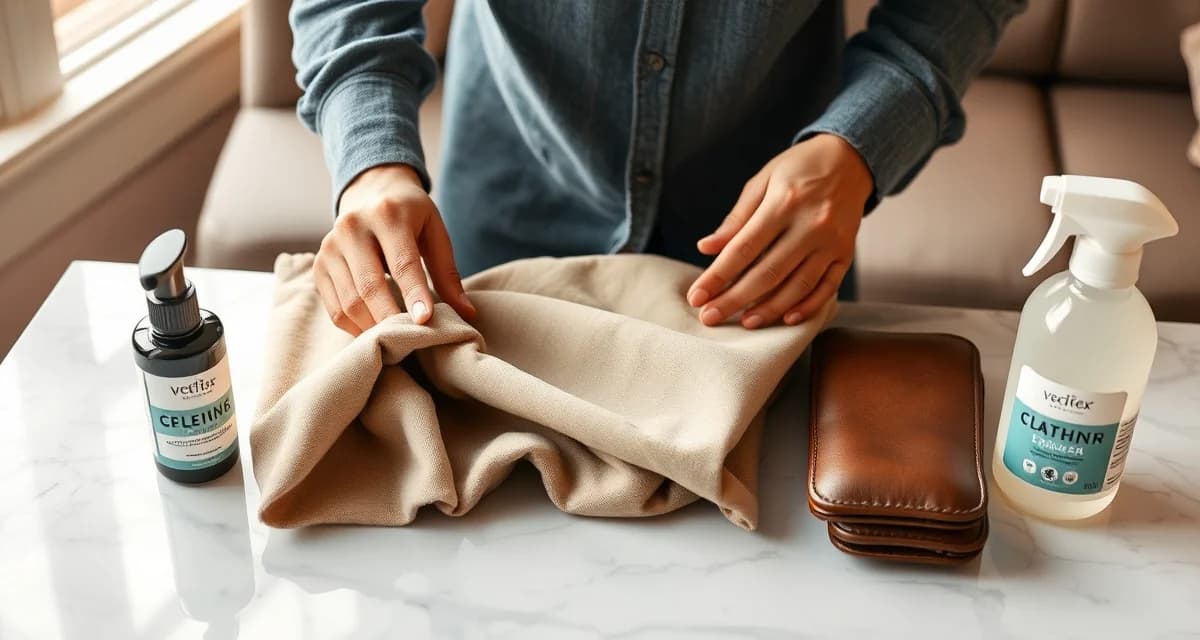
Upholstery Fabric Care Guide: What Clients Need to Know
Clients who receive care instructions return for reupholstery twice as often as those who don't get guidance. That's not a guess, it's a pattern that upholstery shops see consistently. The client who knows how to clean their fabric calls you when the fabric is done, not before. The client who ruins their velvet with a Tide pen or their linen with steam cleaning calls you two years early and frustrated.
Handing a fabric care card at pickup is a five-minute investment with a notable return in client satisfaction, callbacks, and future work.
TL;DR
- Understanding care properties helps you select the right material for each client's specific use case and budget.
- Durability ratings (double-rub count) are the standard measure of upholstery fabric longevity: 15,000+ for light use, 30,000+ for heavy residential, 100,000+ for commercial.
- Fabric cleaning codes (W, S, WS, X) determine what cleaning methods are safe and should be communicated to every client at handoff.
- Pattern repeat, nap direction, and fabric width are the three variables that most affect yardage requirements on any piece.
- COM fabric should always be verified for rub count and cleaning code before acceptance.
- Fabric performance in real use depends on the application: a fabric rated for light residential use will fail quickly in high-traffic settings.
How to Use This Guide
This guide is organized by fabric type so you can pull the right section for each job. Print the relevant section, add your shop name and contact information, and hand it to the client when they pick up the piece.
At the end of this guide you'll find the cleaning code reference that explains the W/S/WS/X codes that most fabric spec sheets include.
Velvet Upholstery Care
Velvet requires more careful handling than most upholstery fabrics. The pile structure that makes velvet beautiful also makes it vulnerable to crushing and moisture damage.
Regular maintenance: Brush the pile gently in one direction with a soft-bristle upholstery brush or velvet brush. This lifts the pile and removes surface dust without flattening it. Do this monthly or when the velvet begins to look dull.
Spot cleaning: Use a clean white cloth dampened with cold water only. Blot, never rub. Rubbing crushes pile permanently. For protein stains (food, body oils), test a drop of cold water with a tiny amount of clear dish soap on a hidden area first. If the fabric water-spots, use dry methods only.
What to avoid: Steam cleaning. Heat and moisture cause pile to mat permanently. No dry-cleaning solvents unless the fabric is labeled S or WS. No direct sunlight for extended periods, velvet fades faster than most fabrics in UV.
Professional cleaning: Once a year or as needed, have the piece professionally cleaned by an upholstery cleaner who works with velvet. Home steam cleaning services often damage velvet, confirm they have velvet experience before scheduling.
Performance Fabric Care
Performance fabrics (Crypton, Revolution, Sunbrella indoor, stain-resistant polyester) are designed for real life. They're among the easiest upholstery fabrics to maintain.
Regular maintenance: Vacuum with upholstery attachment weekly or as needed. Performance fabrics are engineered to resist staining, but soil buildup over time still happens.
Spot cleaning: Most performance fabrics can be cleaned with diluted household dish soap and warm water. Blot with a clean cloth. For heavier stains, Sunbrella fabrics and similar can be cleaned with diluted bleach (1/4 cup bleach per 1 gallon water) without color damage.
What to avoid: Wax-based cleaners and protectants that clog the fabric's protective treatment. Dry-cleaning solvent on water-cleanable fabrics. Abrasive scrubbing pads.
Professional cleaning: Performance fabrics generally don't require professional cleaning unless they've absorbed something persistent. When professional cleaning is needed, specify you have performance fabric so the cleaner uses appropriate methods.
Linen and Natural Fiber Care
Linen, cotton, and cotton-linen blends have beautiful texture but are more vulnerable to staining and moisture than synthetics.
Regular maintenance: Vacuum with low suction upholstery attachment weekly. Linen is prone to pilling with abrasive cleaning; always use gentle contact.
Spot cleaning: Use W-rated (water-based) cleaner on a white cloth. Test on hidden area first, natural fibers can water-spot and may change texture slightly when wet. Blot only, don't scrub. Allow to air dry fully before using the piece.
What to avoid: Over-wetting. Natural fibers absorb water readily and take a long time to dry, creating mold risk in the foam below. Hot water (use cold to lukewarm). Bleach on most natural fibers, causes yellowing. Direct sun exposure for extended periods.
Professional cleaning: Annual professional cleaning helps maintain natural fiber upholstery. Use a professional who specifies upholstery dry extraction methods rather than hot water extraction, which can shrink natural fibers.
Leather and Faux Leather Care
Regular maintenance: Dust with a dry, clean cloth or very lightly damp cloth. Apply a leather conditioner 2-4 times per year on genuine leather to prevent drying and cracking. Faux leather doesn't need conditioning.
Spot cleaning: Use a cloth barely dampened with water, or a leather-specific cleaner. For stubborn spots, a leather cleaner applied with a soft cloth works well. Always test in a hidden area first.
What to avoid: Household cleaners, dish soap in quantity, or anything with alcohol or acetone, these strip the leather's finish. Avoid excessive water. Keep leather away from direct heat sources (vents, radiators) that dry and crack the material.
Professional cleaning: Have genuine leather professionally cleaned and reconditioned every 2-3 years. Faux leather rarely needs professional attention.
Microfiber Care
Microfiber is durable and easy to maintain. It's a forgiving fabric for clients who aren't careful about spills.
Regular maintenance: Vacuum regularly with upholstery attachment. Microfiber holds pet hair, a rubber bristle brush or pet hair removal mitt removes embedded hair better than vacuuming alone.
Spot cleaning: Water-based cleaning with mild soap and warm water on most microfibers. For oil-based stains, a small amount of rubbing alcohol on a white cloth works well, rub gently in a circular motion, then fluff the nap with a brush while the area is still slightly damp.
What to avoid: Too much water at once. Microfiber takes longer to dry than it looks. Rough scrubbing that can damage the nap.
The Cleaning Code Reference
Every upholstery fabric has a cleaning code. If you're not sure what yours is, ask your upholsterer:
- W: Clean with water-based cleaning agents
- S: Clean with dry-cleaning solvents only (no water)
- WS: Can use either water-based or solvent-based cleaners
- X: Vacuum or brush only. No liquid cleaners
Using a water-based cleaner on an S-rated fabric can cause permanent water staining. Using solvent on a W-rated fabric can remove protective treatments. Knowing your fabric's cleaning code is the foundation of proper maintenance.
StitchDesk's customer portal automatically stores the fabric care code for your piece after your job is completed, so you can look it up any time. See the upholstery fabric selection guide for more on choosing fabrics by care and maintenance requirements.
Frequently Asked Questions
How do I clean velvet upholstery?
Velvet requires careful handling. For routine maintenance, use a soft velvet brush to lift the pile and remove dust. For spots, blot with a cold, barely damp white cloth, never rub, as rubbing crushes pile permanently. Avoid steam cleaning and heat, which mat velvet pile irreversibly. If the fabric is W-rated, a tiny amount of cool water with dish soap can be used for protein stains; test in a hidden spot first. Annual professional cleaning by someone experienced with velvet is recommended.
What cleaning products are safe for performance fabric?
Most performance fabrics (Crypton, Revolution, Sunbrella, and similar brands) can be cleaned with diluted dish soap and warm water. Sunbrella and many other solution-dyed performance fabrics can handle diluted bleach cleaning (1/4 cup bleach per gallon water) without color damage. Avoid wax-based protectants that can clog the fabric's protective treatment. Check the cleaning code on the fabric spec sheet for the exact recommended method.
How do I protect reupholstered furniture?
Keep all fabric types away from direct prolonged sun exposure, which fades even UV-resistant upholstery over time. Use throw pillows or arm covers in high-contact areas to reduce concentrated wear. Rotate cushions if they're removable. Clean spills immediately by blotting, not rubbing. Apply a fabric protector spray (like Scotchgard) on natural fiber fabrics for additional stain resistance. For leather, condition regularly. These steps extend fabric life considerably compared to no maintenance at all.
How do I explain fabric choices to a client?
Start with use case: how the piece will be used, who will use it, and whether pets or children are factors. Then narrow by durability requirement (rub count) and cleaning preference (cleaning code). Once practical requirements are set, move to aesthetics: color, texture, pattern. Clients who understand why certain fabrics are recommended are more confident in their choices and less likely to question cost differences between options.
How do I verify fabric quality before accepting a COM order?
Check the fabric label or request a spec sheet from the supplier. Verify: double-rub count (for durability), cleaning code (for maintenance), width (for yardage calculation), and whether the fabric is dry-clean only or has any special handling requirements. For velvet or nap fabrics, confirm the nap direction and whether the fabric is prone to crushing. Document your findings in the job record before beginning work.
Sources
- National Upholstery Association
- Association of Master Upholsterers and Soft Furnishers (AMUSF)
- Upholstered Furniture Action Council (UFAC)
- Furniture Today (trade publication)
Get Started with StitchDesk
Helping clients choose the right fabric is a core part of the job, and having accurate yardage calculations and fabric records at hand makes those conversations faster and more confident. StitchDesk keeps fabric data, yardage calculations, and client records in one place so you spend less time on paperwork and more time on the work itself. Try StitchDesk free.