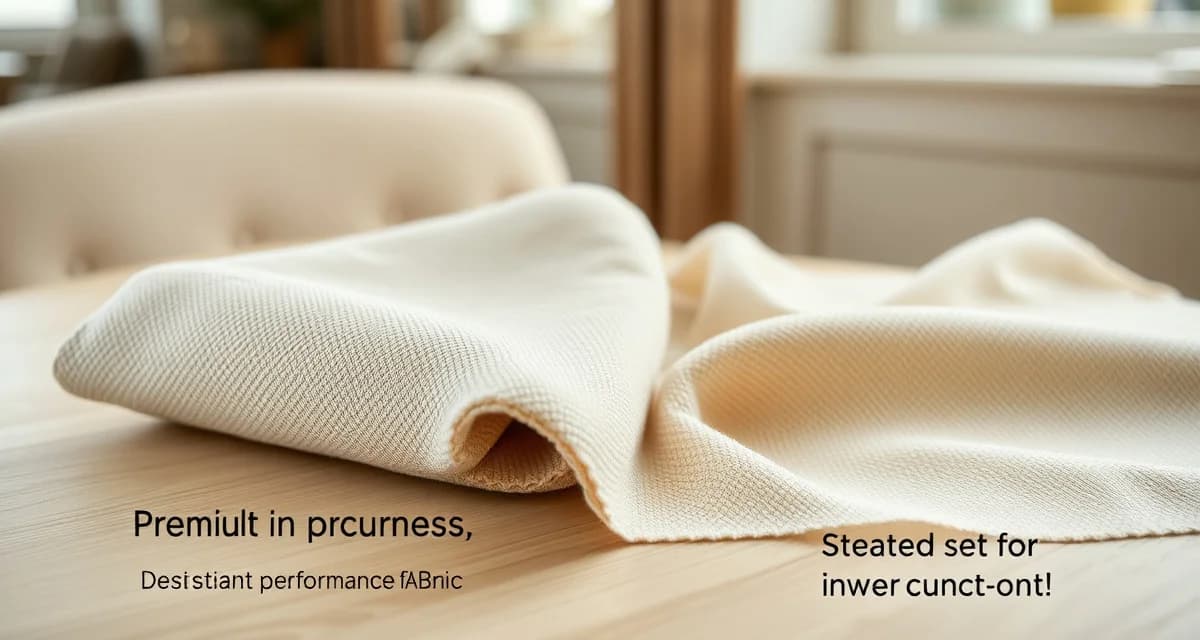
Stain Resistant Upholstery Fabric: Built-In vs Spray-On Guide
Built-in stain resistance lasts the life of the fabric. Spray-on treatments degrade within 2-3 cleanings. This is the most important distinction to communicate when clients ask about stain protection for their upholstery, and the reason why performance fabric is the more defensible recommendation for high-use situations.
Here's how each type of stain resistance works, what it can actually resist, and what to recommend in different situations.
TL;DR
- This guide covers the specific techniques, measurements, and decisions that determine quality outcomes in upholstery work.
- Planning and preparation before cutting begins is the most reliable way to avoid costly errors on any upholstery job.
- Fabric selection, yardage calculation, and structural assessment are the three decisions that most affect the final result.
- Experienced upholsterers develop consistent workflows that ensure quality and efficiency across every job type they handle.
- Documenting job details, material specifications, and client approvals protects both the shop and the client.
- The right tools, materials, and techniques for each job type make a measurable difference in quality and profitability.
Built-In Performance Fabric
Performance fabrics like Crypton, Revolution, and Sunbrella are manufactured with stain resistance built into the fiber or woven into the construction. The chemistry is integral to the fabric, not applied to the surface.
How Crypton works: The Crypton barrier is incorporated into the fabric during manufacturing, moisture-resistant chemistry is part of the fiber structure. Liquids bead on the surface rather than absorbing. Even if someone scrubs the fabric, the protection isn't removed because it's not a surface treatment.
How Revolution works: Uses solution-dyed acrylic yarns where the color is part of the fiber, combined with a tight weave that limits liquid penetration. The resistance is structural as well as chemical.
What performance fabric actually resists:
- Water-based liquids (wine, coffee, juice): generally beads and wipes clean
- Oil-based liquids: varies by product; check the specific performance specs
- Pet accidents: most performance fabrics are designed for this scenario
- Dry staining: more variable, abrasive solids can still cause surface wear
What performance fabric doesn't guarantee:
- No fabric is completely stain-proof. Dark dyes like red wine on light fabric can leave residue if not cleaned promptly.
- Set stains (dried and left for days) are harder to remove on any fabric, including performance fabric.
- Oil-based stains require specific cleaners and may not clean as easily as water-based ones.
The performance fabric complete guide covers the full comparison of performance fabric brands, rub counts, and maintenance protocols.
Spray-On Fabric Protection
Spray-on treatments like Scotchgard and similar products add a fluorochemical or silicone barrier to the fabric surface. This barrier causes liquids to bead and reduces absorption.
How it works: The treatment coats fabric fibers with a hydrophobic (water-repelling) compound. Liquid drops bead on the treated surface rather than wicking into the weave.
The durability problem: Spray-on treatments are surface applications. Every cleaning removes a portion of the treatment, and the protective effect decreases with each cycle. Most spray-on fabric protectors need reapplication after 2-3 cleanings, or every 6-12 months under regular use.
What spray-on treatment is good for:
- Extending the life of a non-performance fabric that a client has already chosen
- Adding moderate protection to moderate-use pieces where occasional spills are the concern, not constant heavy use
- Temporary protection on a fabric pending a reupholstery decision
What spray-on treatment is not good for:
- Household seating with regular use, pets, or children, the protection degrades too quickly
- COM fabric the client is invested in, spray protection can change the hand feel of fine fabric
- Any situation where the client expects permanent protection
What to Recommend and When
High-use family seating, pets, or children: Recommend performance fabric from the start. The durability of built-in protection justifies the fabric cost premium over the life of the piece. If a client balks at the cost, show them the math: performance fabric may cost $10-20 more per yard but eliminates the cleaning and reapplication cycle of spray treatment.
Moderate-use formal seating, no pets: A good quality woven fabric with an initial spray treatment is a defensible choice. Set expectations that protection needs reapplication after cleaning and that the treatment doesn't prevent all staining.
COM fabric specified by a designer: Ask whether they want to add spray-on protection at the time of completion. This is a value-added service you can include in the quote. Use a product appropriate to the specific fabric type, not all spray treatments are appropriate for all fabrics.
Client asking about stain protection after the job is done: Offer spray-on treatment as the only practical option for an existing covered piece. Be honest about its limitations.
Related Articles
FAQ
What is the most stain resistant upholstery fabric?
Performance fabrics with built-in moisture resistance are the most durable stain-resistant option. Crypton, Revolution, and Sunbrella (for indoor/outdoor use) all offer stain resistance that's part of the fabric structure rather than a surface treatment. Among these, the right choice depends on the look the client wants and the specific performance specs, Crypton is available in a wide range of textures and aesthetics, Revolution emphasizes pet and family household durability, and Sunbrella offers outdoor-grade UV and moisture resistance for both indoor and outdoor applications.
Is built-in stain resistance better than spray-on?
Yes, for any application involving regular use. Built-in stain resistance is part of the fabric and doesn't degrade with cleaning. Spray-on treatments lose effectiveness after 2-3 cleanings and need reapplication to maintain protection. For high-use family seating, the degrading protection of spray treatments means you're relying on diminishing coverage over time. The higher cost of performance fabric is almost always justified by avoided cleaning costs, less visible wear, and better performance over a 10-15 year lifespan compared to standard fabric with a spray treatment.
What stain resistant fabric do you recommend for kids?
For heavy family use with children, recommend a performance fabric with a rub count of 30,000 or higher and explicit stain resistance in the manufacturer's specs. Crypton Home and Revolution are both designed specifically for family and pet environments. Look for fabrics that specify resistance to water-based liquids, oil-based liquids, and pet accidents, and check whether the fabric comes with a manufacturer's warranty that covers staining. The combination of performance fabric plus a tight weave in a mid-tone color (which hides residual staining better than very light or very dark) is the most practical recommendation for high-use family seating.
What are the most common mistakes to avoid in this type of work?
The most common mistakes are underestimating material requirements, starting work before the frame is fully assessed and repaired, and skipping the centering and alignment checks before cutting. Each of these is far more expensive to correct after cutting has begun than to prevent at the planning stage. Taking an extra 15-30 minutes at the assessment and planning stage pays dividends throughout the job.
How do I get the best results from a professional upholsterer?
Come to the consultation with clear measurements, photos of the piece, and an idea of the room's color scheme and intended use. Be specific about how the piece will be used: high traffic, pets, children, or outdoor exposure all affect fabric recommendations. Provide fabric samples or accept guidance on appropriate options for your use case. Approve the proof carefully and ask to see the fabric on the piece before final installation if you are uncertain about a pattern or color choice.
When should I consult a professional rather than doing the work myself?
Consult a professional when the piece has structural issues beyond simple fabric replacement, when the piece has significant financial or sentimental value, or when the fabric or technique (tufting, pattern matching, hand-tacking) requires skills you have not developed. A professional assessment before you begin is free at most shops and can prevent costly mistakes on a piece worth preserving.
Sources
- National Upholstery Association
- Association of Master Upholsterers and Soft Furnishers (AMUSF)
- Upholstered Furniture Action Council (UFAC)
- Furniture Today (trade publication)
Get Started with StitchDesk
Running a successful upholstery shop means getting the details right on every job. StitchDesk gives you purpose-built tools for quoting, fabric calculation, job tracking, and client communication, all in one place designed specifically for the trade. Start a free trial and see how StitchDesk supports quality work from intake to delivery.