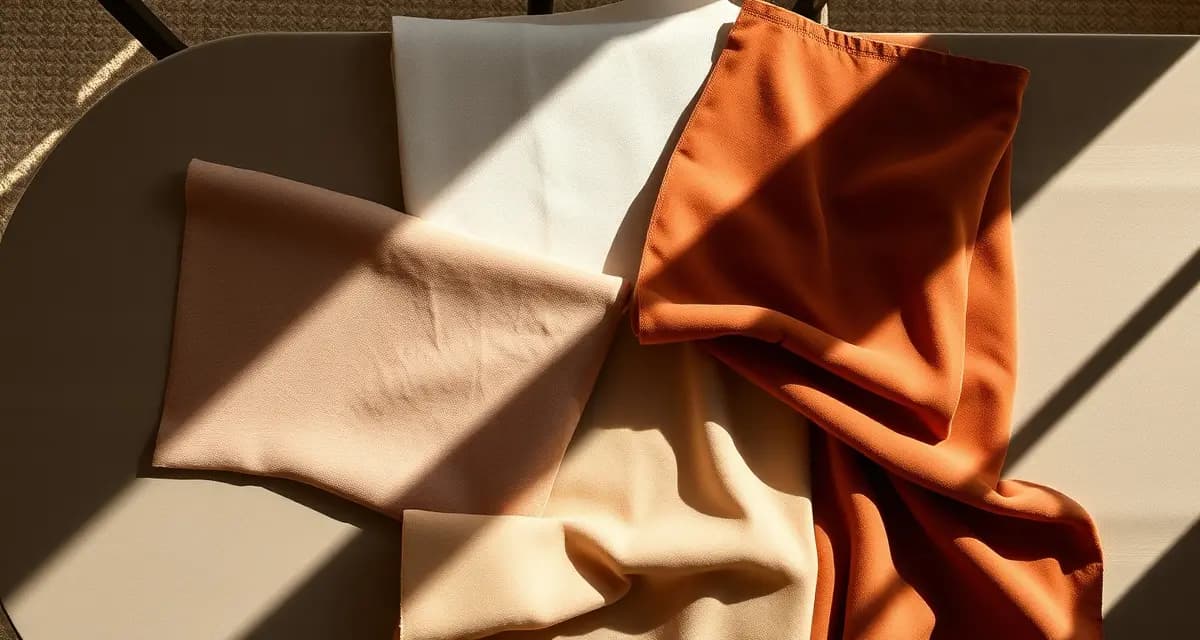
What Fabric Is Best for Dining Chairs? Durability vs Style
Dining chairs used daily need at minimum a 30,000 Wyzenbeek rating, any less and fabric shows wear within 2-3 years. Dining chairs face a specific kind of abuse: sitting pressure, food and drink spills, being slid across hard floors, and the friction of people getting in and out of them repeatedly. The fabric needs to handle all of it.
Here's what works and what doesn't for different dining situations.
TL;DR
- Direct answers to common upholstery questions help clients make informed decisions before contacting a shop.
- Reupholstery pricing requires specific information about furniture type, fabric choice, and frame condition to be accurate.
- Getting multiple local quotes is the most reliable way to determine what a specific job costs in your market.
- Reupholstery is typically worth considering when the frame is solid, the piece has design or sentimental value, and cost is under 60% of equivalent new furniture.
- Professional upholsterers can assess whether a piece is worth reupholstering at an initial consultation, often at no charge.
- Fabric choice has the biggest single impact on both cost and longevity of reupholstery work.
Fabric Options by Dining Room Type
| Setting | Best Fabric Options | Avoid |
|---|---|---|
| Casual family dining (daily use) | Performance fabric, vinyl, leather | Cream linen, delicate velvet |
| Formal dining (occasional use) | Velvet, cotton/linen blend, leather | Vinyl, synthetic texture fabrics |
| Restaurant or commercial seating | Contract vinyl, contract performance | Natural fibers under 50,000 double rubs |
| Outdoor dining | Solution-dyed acrylic, marine vinyl | Any non-UV-rated fabric |
For Everyday Family Dining
Performance fabric and vinyl are the clear winners. Performance fabric handles spills and stains without the plasticky look of vinyl, and modern performance fabrics come in a wide range of textures that look like linen or woven natural fiber from a distance. For a family dining table used three meals a day, a performance fabric in a mid-tone or dark color will look good for 5-10 years with normal care.
Vinyl (and the higher-quality faux leathers like Ultrasuede and similar) cleans instantly and is completely waterproof. The tradeoff is feel, vinyl can feel hot in summer and has an obviously synthetic texture up close. It's practical for young families, but some clients find it looks too utilitarian for a formal dining room.
Leather is an excellent choice if the budget supports it. Full grain and top grain leather wipes clean easily, wears gracefully, and looks appropriate in both casual and formal settings. Bonded leather should be avoided, it peels within a few years on dining chairs.
For Formal Dining Rooms
Velvet and cotton/linen blends work well in formal dining rooms that see moderate use. A high-quality cotton velvet or a mid-weight linen blend will hold up to formal dinners and holiday use. The risk is everyday family use, these fabrics stain more easily and show wear faster than performance options.
If you're choosing velvet for formal dining chairs, go with a mid-tone or dark color (navy, forest green, burgundy). Light-colored velvet in a dining room is a maintenance challenge.
What the Wyzenbeek Rating Means in Practice
- Under 15,000 double rubs: Light duty, occasional use only. Decorative fabrics, formal rooms that rarely get used.
- 15,000-30,000: Standard residential. Good for bedroom chairs or formal rooms with moderate use.
- 30,000-50,000: Heavy residential. The minimum for a dining chair used daily by a family.
- 50,000+: Heavy duty or commercial. What you want for chairs used at every meal, in restaurants, or in commercial settings.
Always ask the fabric supplier for the Wyzenbeek rating before ordering for dining chairs. It's the single most useful number for predicting how long the fabric will last.
For a broader guide on upholstery fabric selection, see the upholstery fabric selection guide. For dining chair reupholstery costs, see the dining chair reupholstery guide.
Frequently Asked Questions
What fabric is best for dining chair seats?
Performance fabric with a 30,000+ Wyzenbeek rating is the best choice for dining chairs used daily. It resists food spills, cleans easily, and comes in textures that look like natural fabric. For formal dining rooms with occasional use, cotton velvet or a cotton/linen blend in a medium to dark color are attractive options with adequate durability for the lower traffic level. Avoid cream or ivory natural fibers for any dining chair that sees regular family use.
Is leather or fabric better for dining chairs?
Leather is excellent for dining chairs if the budget allows. It wipes clean faster than any fabric option, looks appropriate in both casual and formal settings, and wears well with age. The downsides are cost (leather dining chairs run $200-500+ per seat to reupholster vs $100-250 for fabric) and feel in warmer climates. For most families, a good performance fabric at lower cost delivers similar practical benefits with more flexibility in color and pattern.
What upholstery fabric is easiest to clean for dining chairs?
Vinyl and performance fabric are the easiest to clean. Vinyl is completely waterproof, spills wipe off immediately. Performance fabrics repel liquid and can be cleaned with water and mild soap on most stains. Both outperform natural fibers considerably in cleanability. If you're set on a natural look, choose a performance fabric that mimics a woven texture, you get the appearance of linen with the cleanup ease of a synthetic.
How do I find a reputable upholstery shop near me?
Search Google for upholstery shops in your area and check their Google reviews and photo portfolio. Before-and-after photos are the most reliable indicator of quality. Ask for recommendations from interior designers, furniture stores, or neighbors who have had reupholstery work done. Look for shops that have been in business for several years with a consistent portfolio. Get quotes from at least two or three shops before deciding.
Related Articles
Sources
- National Upholstery Association
- Association of Master Upholsterers and Soft Furnishers (AMUSF)
- Upholstered Furniture Action Council (UFAC)
- Furniture Today (trade publication)
Get Started with StitchDesk
Whether you are a client researching reupholstery options or an upholsterer looking for better tools, StitchDesk was built for the specific needs of furniture upholstery shops. From fabric calculation to client communication, StitchDesk handles the operational details that determine quality and profitability. Start a free trial and see the difference purpose-built software makes.