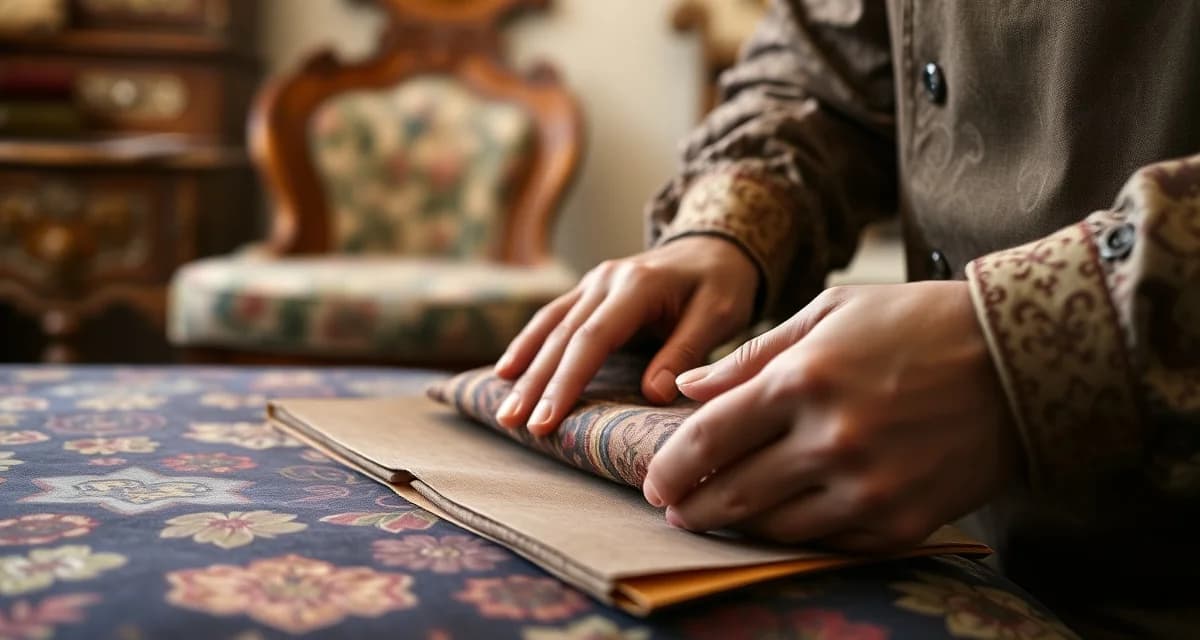
Best Upholstery Fabric for Antique Furniture: Historical Accuracy vs Durability
Antique furniture clients are among the most particular clients an upholstery shop sees. When someone brings in a Victorian parlor chair or an Edwardian settee, they often have strong opinions about what it should look like when it's done. Sometimes historically informed opinions, sometimes just strong aesthetic preferences.
The fabric conversation for antique pieces involves a real tension between what's period-appropriate and what will last. Your job is to present both options clearly and let the client make an informed decision.
TL;DR
- This guide covers the specific techniques, measurements, and decisions that determine quality outcomes in upholstery work.
- Planning and preparation before cutting begins is the most reliable way to avoid costly errors on any upholstery job.
- Fabric selection, yardage calculation, and structural assessment are the three decisions that most affect the final result.
- Experienced upholsterers develop consistent workflows that ensure quality and efficiency across every job type they handle.
- Documenting job details, material specifications, and client approvals protects both the shop and the client.
- The right tools, materials, and techniques for each job type make a measurable difference in quality and profitability.
Why Antique Proportions Matter for Yardage
Before the fabric conversation, note the proportions. Antique furniture is typically smaller than contemporary furniture, seat heights are lower, seat depths are shallower, back heights are modest compared to modern designs. This matters for yardage.
A Victorian side chair might need only 2 to 3 yards where a contemporary equivalent would use 4 to 5. Victorian and Edwardian sofas are often narrower and shorter than modern sofas, account for actual measurements, not contemporary equivalents.
On the other hand, antique furniture often has more complex panel structures. Exposed carved wood frames with many small upholstered insert panels, rolled and curved arms with compound curves, elaborate buttoning in the back. These complexity factors can increase labor considerably even when total yardage is modest.
Period-Appropriate Fabric by Style
Victorian (1837 to 1901):
The Victorians loved richness, heavy woven fabrics, velvets, horsehair cloth, brocades, and tapestry weaves. Color was bold: deep jewel tones, burgundy, forest green, midnight blue, gold. Pattern was dense and ornate.
Period-appropriate options today:
- Silk velvet (expensive, short lifespan for functional use)
- Woven damask or jacquard with period-scale motifs
- High-quality brocade
- Wool frieze (similar to original horsehair in texture if not material)
Modern durable alternative: Polyester jacquard or woven synthetic brocade in period colors delivers similar visual impact with dramatically better durability and easier cleaning.
Edwardian (1901 to 1910):
Slightly lighter than Victorian in tone. More refined, less heavy ornamentation. Silk, wool, and fine cotton were common. Stripes became fashionable.
Period-appropriate options today:
- Wool blend stripes
- Silk or silk-blend wovens in pale gold, rose, or soft green
- Fine chintz for less formal pieces
Modern durable alternative: Performance fabric in silk-like weave, or quality polyester chintz for lighter pieces.
Arts and Crafts (1880s to 1920s):
Simple weaves, natural colors, handcrafted aesthetic. Wool, linen, and cotton in muted natural tones, ochre, sage, russet, warm brown. William Morris-style botanical prints are a classic reference.
Period-appropriate options today:
- Woven wool in natural tones
- Linen in earth colors
- Printed cotton or linen with botanical motifs
Modern durable alternative: Performance linen-look fabrics or tight-weave cotton with stain treatment in period-appropriate colors.
Mid-Century Modern (1940s to 1970s):
Clean lines, solid colors, and some bold geometric patterns. Wool tweeds, tight weaves, and solid-color wovens were standard. Teal, mustard, olive, rust, and warm orange are classic period colors.
Modern durable alternative: Modern performance fabric in period colors is fully appropriate here, mid-century pieces often live in active households. A Crypton fabric in olive green is a practical and period-consistent choice.
When the Client Wants Historical Accuracy
Some antique furniture clients, particularly collectors, museum clients, and buyers who've paid serious money for a piece, want genuine period-appropriate fabric. This is a specialty area:
- Antique fabric houses (Old World Weavers, Scalamandré, Brunschwig and Fils) reproduce historical textiles for restoration use
- Reproduction fabrics often cost 5 to 10 times more per yard than standard upholstery fabric
- Genuine period fabric (actual antiques) is available at auction and specialized dealers but requires careful condition assessment before use
Be honest with clients about the durability tradeoffs. A silk velvet that's appropriate for a display piece in a controlled environment is not appropriate for daily use in a family room. The conversation is: "We can match the period materials exactly, but I want you to understand what that means for care and longevity compared to a high-quality period-appropriate modern fabric."
Documenting Antique Fabric Work
Antique furniture jobs warrant extra documentation:
- Photograph the piece before disassembly
- Note any original fabric details that inform period research
- Photograph original construction details (original webbing, stuffing materials, nail patterns)
- Record the fabric selected and why
If you're doing a restoration-quality job, the client may also appreciate a written note about the piece's provenance and what was done during the reupholstery. This adds perceived value and gives the client documentation for future owners.
Frequently Asked Questions
What fabric is appropriate for Victorian antique furniture?
Heavy woven fabrics are historically accurate for Victorian pieces: damask, brocade, tapestry, and velvet in deep jewel tones. If historical accuracy is less important than durability, high-quality polyester jacquard or woven synthetic brocade in period-appropriate colors delivers similar visual impact with much longer service life. For showpiece restoration where the piece won't see daily use, reproduction silk velvet or period-reproduction fabric from specialty houses is appropriate.
How do I find period-appropriate upholstery fabric?
Specialty fabric houses like Old World Weavers, Scalamandré, and Brunschwig and Fils produce reproduction historical textiles at trade pricing. Antique textile dealers carry original period fabric for museum-level restoration. For most clients who want a period aesthetic without the cost, contemporary fabric houses offer historically influenced patterns in multiple price tiers, searching "Victorian," "damask," or "Arts and Crafts" in trade fabric catalogs returns relevant options.
Does antique furniture require special upholstery techniques?
Often yes. Victorian and Edwardian furniture typically uses traditional coil spring construction rather than modern foam. Authentic restoration work involves replacing damaged springs, re-tying spring webbing, and adding traditional stuffing layers (burlap, cotton batting) rather than substituting foam. These techniques take more time than modern methods. Many shops offer both traditional restoration and modern-materials approaches, be clear with clients about what approach you're taking.
What are the most common mistakes to avoid in this type of work?
The most common mistakes are underestimating material requirements, starting work before the frame is fully assessed and repaired, and skipping the centering and alignment checks before cutting. Each of these is far more expensive to correct after cutting has begun than to prevent at the planning stage. Taking an extra 15-30 minutes at the assessment and planning stage pays dividends throughout the job.
How do I get the best results from a professional upholsterer?
Come to the consultation with clear measurements, photos of the piece, and an idea of the room's color scheme and intended use. Be specific about how the piece will be used: high traffic, pets, children, or outdoor exposure all affect fabric recommendations. Provide fabric samples or accept guidance on appropriate options for your use case. Approve the proof carefully and ask to see the fabric on the piece before final installation if you are uncertain about a pattern or color choice.
When should I consult a professional rather than doing the work myself?
Consult a professional when the piece has structural issues beyond simple fabric replacement, when the piece has significant financial or sentimental value, or when the fabric or technique (tufting, pattern matching, hand-tacking) requires skills you have not developed. A professional assessment before you begin is free at most shops and can prevent costly mistakes on a piece worth preserving.
Related Articles
- Pet-Friendly Upholstery Fabric Guide: Durability and Yardage
- Upholstery Fabric Selection Guide: Durability, Texture, and Yardage
Sources
- National Upholstery Association
- Association of Master Upholsterers and Soft Furnishers (AMUSF)
- Upholstered Furniture Action Council (UFAC)
- Furniture Today (trade publication)
Get Started with StitchDesk
Running a successful upholstery shop means getting the details right on every job. StitchDesk gives you purpose-built tools for quoting, fabric calculation, job tracking, and client communication, all in one place designed specifically for the trade. Start a free trial and see how StitchDesk supports quality work from intake to delivery.