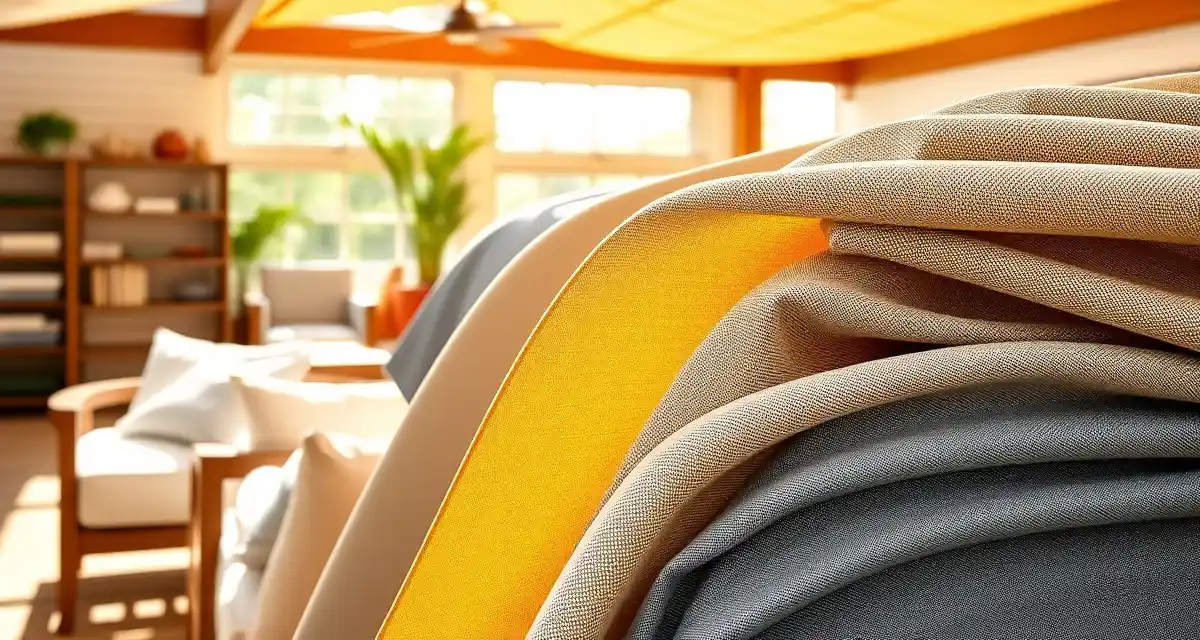
What Is the Best Fabric for Outdoor Furniture Reupholstery?
Outdoor fabric without UV stabilization fades within one season, always specify UV-rated fabric for any outdoor application. The outdoor environment puts fabric through stresses that indoor upholstery never faces: direct sunlight, rain, humidity, mold, and temperature swings. Not all outdoor fabrics handle these equally.
Here's how the main options compare.
TL;DR
- Direct answers to common upholstery questions help clients make informed decisions before contacting a shop.
- Reupholstery pricing requires specific information about furniture type, fabric choice, and frame condition to be accurate.
- Getting multiple local quotes is the most reliable way to determine what a specific job costs in your market.
- Reupholstery is typically worth considering when the frame is solid, the piece has design or sentimental value, and cost is under 60% of equivalent new furniture.
- Professional upholsterers can assess whether a piece is worth reupholstering at an initial consultation, often at no charge.
- Fabric choice has the biggest single impact on both cost and longevity of reupholstery work.
Outdoor Fabric Comparison
| Fabric Type | UV Resistance | Mold Resistance | Water Resistance | Lifespan Outdoors |
|---|---|---|---|---|
| Solution-dyed acrylic (e.g., Sunbrella) | Excellent | Excellent | Good (water-resistant, breathable) | 5-10 years |
| Solution-dyed polyester | Good | Good | Good | 3-6 years |
| Marine vinyl | Excellent | Excellent | Excellent (waterproof) | 5-8 years |
| Piece-dyed polyester | Moderate | Moderate | Moderate | 1-3 years |
| Indoor performance fabric outdoors | Poor | Poor | Poor | Less than 1 season |
Solution-Dyed Acrylic: The Standard for Outdoor Quality
Solution-dyed acrylic, most commonly known by the Sunbrella brand, is the benchmark for residential outdoor upholstery fabric. The key is "solution-dyed": the color is added to the fiber before it's extruded into yarn, not applied to the surface afterward. This means the color goes all the way through the fiber and can't be bleached away by UV exposure.
Solution-dyed acrylic resists:
- UV fading for 5-10 years with normal outdoor exposure
- Mold and mildew (the fiber doesn't absorb water, so mold has nothing to feed on)
- Mild chlorine bleach for cleaning (useful for mold spots and deep cleaning)
The tradeoff: it's breathable and water-resistant but not fully waterproof. Cushions with solution-dyed acrylic still need to be stored or covered if heavy rain is expected, or built with proper drainage to let moisture escape.
Marine Vinyl: When Waterproof Matters
Marine vinyl is fully waterproof and UV-stabilized. It's used in boat upholstery because it handles pooling water, direct sun, and salt air. For outdoor furniture where cushions are frequently wet (pool furniture, covered patios with blowing rain), marine vinyl is the most practical choice.
The downside is heat, vinyl is hot to sit on in direct sun. It also has a harder, more plastic feel than fabric. For covered patios or shaded areas, solution-dyed acrylic usually looks and feels better. For pool furniture that will be sat on in wet swimsuits, vinyl is the right answer.
What to Avoid for Outdoor Use
Indoor performance fabric: Even performance fabrics rated for stain resistance aren't UV-stabilized for outdoor use. They'll fade and deteriorate within a season. Don't use indoor fabric outside, no matter how durable it is indoors.
Piece-dyed polyester or cotton: The surface dye fades quickly in UV. Even fabrics marketed as "weather resistant" often mean water-resistant, not UV-stable. Check specifically for UV stabilization.
Canvas or natural fiber: Canvas, linen, and cotton absorb water, encourage mold, and fade in sun. They have no place in outdoor upholstery unless you're replacing very frequently.
Construction Matters as Much as Fabric
Outdoor cushions that last are built with the right foam as well as the right fabric. Use open-cell polyester foam or reticulated foam (which allows water to drain through) rather than standard upholstery foam. Standard closed-cell foam holds water and becomes a mold incubator.
Add drainage holes in the base of cushion covers when possible. Marine-grade thread (polyester or UV-stabilized) prevents seam failure before the fabric wears out.
For the full outdoor construction guide, see outdoor furniture reupholstery guide. For outdoor performance fabric selection, see outdoor upholstery fabric performance guide.
Frequently Asked Questions
What is the most UV resistant outdoor fabric?
Solution-dyed acrylic (Sunbrella and equivalent brands) is the most UV resistant outdoor upholstery fabric available for residential and commercial use. The color is embedded in the fiber rather than applied to the surface, so UV radiation can't bleach it away. Solution-dyed acrylic fabrics are rated for 5-10 years of outdoor exposure with normal care. Marine vinyl with UV stabilizers is the second option, with similar UV resistance and full waterproofing.
Is Sunbrella the best outdoor fabric?
Sunbrella is the most recognized brand of solution-dyed acrylic outdoor fabric and is a reliable choice for quality outdoor upholstery. It's not the only option, several other manufacturers produce quality solution-dyed acrylic at various price points. What matters is the specification, not the brand: solution-dyed (not piece-dyed), UV-stabilized, and mold-resistant construction. Sunbrella meets all three standards and is well-tested. Comparable alternatives from Glen Raven, Perennials, and similar manufacturers also work well.
How long does outdoor furniture fabric last?
Quality solution-dyed acrylic lasts 5-10 years on outdoor furniture with normal care, including seasonal storage or covers in harsh winter climates. Marine vinyl lasts 5-8 years. Piece-dyed polyester and other lower-quality options fade within 1-3 years of outdoor exposure. The biggest lifespan variable after fabric quality is care: cushions stored indoors in winter last considerably longer than those left outside year-round.
How do I find a reputable upholstery shop near me?
Search Google for upholstery shops in your area and check their Google reviews and photo portfolio. Before-and-after photos are the most reliable indicator of quality. Ask for recommendations from interior designers, furniture stores, or neighbors who have had reupholstery work done. Look for shops that have been in business for several years with a consistent portfolio. Get quotes from at least two or three shops before deciding.
What should I bring to an upholstery consultation?
Bring the piece itself if possible, or clear measurements and photos if not. If you have specific fabric in mind, bring a sample or the name and source. Know the room's color scheme and the intended use (high traffic, pets, children) so the upholsterer can recommend appropriate fabric options. Having your budget range in mind helps the upholsterer propose options that fit your needs without wasting time on options that do not.
Sources
- National Upholstery Association
- Association of Master Upholsterers and Soft Furnishers (AMUSF)
- Upholstered Furniture Action Council (UFAC)
- Furniture Today (trade publication)
Get Started with StitchDesk
Whether you are a client researching reupholstery options or an upholsterer looking for better tools, StitchDesk was built for the specific needs of furniture upholstery shops. From fabric calculation to client communication, StitchDesk handles the operational details that determine quality and profitability. Start a free trial and see the difference purpose-built software makes.