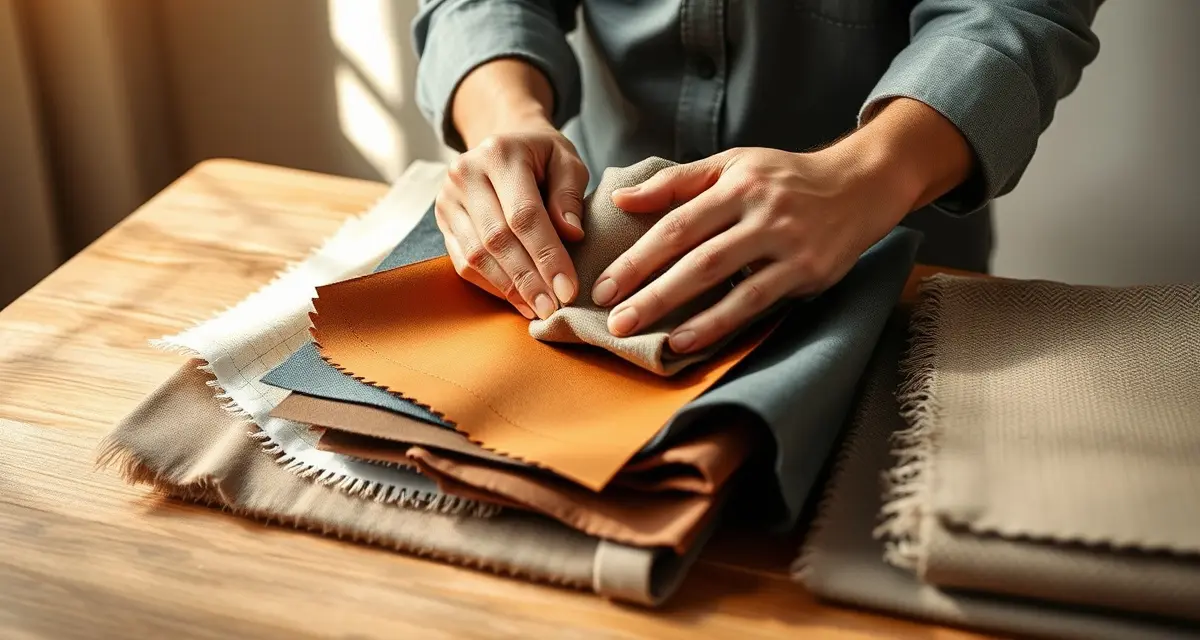
Upholstery Fabric Selection Guide: Durability, Texture, and Yardage
70% of customer complaints about upholstery durability trace back to the wrong fabric choice at quoting stage. Not bad workmanship. Not poor materials. Wrong fabric for the use case, recommended by the shop because nobody asked the right questions at the quote.
This guide is a decision tool. If you know your client's use case, pets, young kids, commercial traffic, decorative-only, you can select the right fabric confidently. If you select wrong, the fabric fails, the client calls back, and you spend hours explaining why a $60/yard fabric didn't last two years.
Start with use case. Everything else follows from there.
TL;DR
- Understanding selection properties helps you select the right material for each client's specific use case and budget.
- Durability ratings (double-rub count) are the standard measure of upholstery fabric longevity: 15,000+ for light use, 30,000+ for heavy residential, 100,000+ for commercial.
- Fabric cleaning codes (W, S, WS, X) determine what cleaning methods are safe and should be communicated to every client at handoff.
- Pattern repeat, nap direction, and fabric width are the three variables that most affect yardage requirements on any piece.
- COM fabric should always be verified for rub count and cleaning code before acceptance.
- Fabric performance in real use depends on the application: a fabric rated for light residential use will fail quickly in high-traffic settings.
Why Fabric Selection Drives Durability Complaints
Most fabric selection conversations focus on color, texture, and price. Clients pick what looks good in the showroom. Shops show what they have in stock or what the supplier is pushing.
What rarely gets discussed: how many people use this piece, how often, and what's the worst-case scenario. A sofa that looks like it's for a formal living room but actually gets used by three kids and a dog daily is a durability disaster waiting to happen if it's upholstered in a 15,000 double-rub woven.
The decision tree is simple once you build the habit of asking:
- Who uses this piece and how often?
- What's the risk profile? (pets, spills, sunlight, kids)
- What's the primary aesthetic goal?
- What's the budget for fabric?
Those four answers get you to a short list of materials. Then you choose within the list based on texture, pattern, and what the client actually likes.
The fabric yardage calculator handles the measurement side. This guide handles the selection side.
The Decision Tree: Use Case to Fabric Type
High-Traffic Residential (Pets, Kids, Daily Family Use)
First choice: Performance fabric (Crypton, Sunbrella, Revolution)
Performance fabrics are engineered for this exact scenario. They resist stains, dry quickly, clean with mild soap and water, and often carry 100,000+ double rub ratings. They cost more per yard but generate dramatically fewer callbacks. Performance fabric jobs have 90% fewer stain callbacks, the economics are clear.
Second choice: Outdoor fabric used indoors
Sunbrella and similar outdoor-rated fabrics work beautifully indoors in high-traffic scenarios. They're UV stable, moisture resistant, and highly cleanable. They feel less luxurious than some interior fabrics but last substantially longer.
Avoid: Velvet, open-weave chenille, silk, loose linen. These look beautiful but fail under daily wear and pet contact.
Moderate Residential Use (Adults Only, No Pets)
First choice: High-rub-count woven polyester or blended fabric
A woven upholstery fabric with 30,000–50,000 double rubs handles moderate residential use well. Polyester and polyester-blend fabrics clean more easily than naturals and resist pilling better than some chenilles.
Second choice: Microfiber
Tightly woven microfiber (suede finish or smooth) is one of the most practical moderate-use fabrics. It cleans well, resists pet hair to a degree, and is available in a wide range of textures and colors. Budget 10–15% extra yardage on suede-finish microfiber for pile direction.
Good choice: Mid-grade chenille
Chenille in the 25,000–40,000 double rub range works well for adults-only households. Avoid putting chenille in pet or kid environments, the loop structure catches claws and crumbs.
Decorative and Low-Traffic Use
First choice: Velvet
Velvet is the right choice when the piece is more display than daily seating. It's beautiful, rich in texture, and when well-maintained, lasts many years. It just can't handle what a family sofa handles.
Second choice: Linen and cotton weaves
Natural fibers at lower double rub counts (15,000–25,000) are appropriate for decorative or light-use pieces. An accent chair in a formal sitting room that rarely gets used can wear linen beautifully.
Also appropriate: Silk blends, jacquards, damasks
High-end decorative fabrics belong on low-traffic pieces. Recommending these for daily family furniture is setting up a durability complaint.
Commercial Use (Hotels, Restaurants, Contract Furniture)
Minimum: 100,000 double rubs, this is not a recommendation, it's the floor for commercial upholstery.
Best choices: Contract-grade performance fabric, commercial vinyl, high-rub-count woven
Commercial fabric needs to survive multiple cleanings per day with industrial cleaning products. The fabric must be color-fast, stain-resistant, and structurally sound under constant use.
Vinyl and faux leather: Excellent for restaurant seating. Wipes clean instantly, holds up to frequent use, and handles moisture that fabric can't.
Contract chenille and wovens: Commercial-grade chenille exists with 100,000+ rub ratings. It feels like residential chenille but is engineered for contract use.
Fabric-by-Fabric Breakdown: 15 Common Materials
1. Velvet
Durability: 15,000–40,000 double rubs (varies widely by construction)
Best use case: Low-traffic decorative furniture, formal rooms, accent chairs
Avoid for: Pets, kids, daily family seating
Yardage note: Nap direction adds 10–15% to base yardage. Patterned velvet adds pattern repeat waste on top of that. Always calculate nap first, then pattern.
Texture: Rich, soft pile. Colors are deep and saturated.
2. Chenille
Durability: 20,000–50,000 double rubs (mid-grade residential)
Best use case: Adult residential seating, reading chairs, moderate-use sofas
Avoid for: Pet households (claws catch loops)
Yardage note: No nap direction adjustment needed for solid chenille. Directional or striped chenille may require layout planning.
Texture: Soft, textured surface with a warm, casual feel.
3. Microfiber
Durability: 25,000–50,000 double rubs
Best use case: Moderate-traffic family use, pet-friendly (resists pet hair more than some fabrics)
Yardage note: Suede-finish microfiber has pile direction and requires 10–15% more yardage than smooth microfiber for the same piece.
Texture: Smooth or suede finish. Feels similar to soft leather.
4. Performance Fabric (Crypton, Sunbrella Indoor, Revolution)
Durability: 50,000–150,000 double rubs
Best use case: High-traffic residential, pets, kids, coastal environments (moisture)
Yardage note: Performance fabrics are often narrower than standard (54 vs 60 inches), which requires more yardage. Factor this in at quote time.
Texture: Varies by brand. Modern performance fabrics feel remarkably like standard upholstery.
5. Linen
Durability: 15,000–25,000 double rubs
Best use case: Decorative furniture, formal rooms, light-use pieces
Avoid for: High-traffic use, pets, kids
Yardage note: Linen frays aggressively, use 5/8-inch seam allowance and serge immediately after cutting.
Texture: Natural texture with slight irregularity. Ages gracefully.
6. Cotton
Durability: 15,000–30,000 double rubs
Best use case: Casual use, children's rooms (natural fiber preference), occasional chairs
Yardage note: Standard woven calculation. No direction issues unless printed.
Texture: Soft, breathable. Shows wear more than synthetic fabrics.
7. Polyester (Woven)
Durability: 25,000–60,000 double rubs
Best use case: Mid-range residential, good balance of durability and price
Yardage note: Standard calculation. Wide range of widths, confirm before ordering.
Texture: Wide range. Can mimic almost any natural fiber texture.
8. Jacquard
Durability: 25,000–50,000 double rubs
Best use case: Traditional and transitional furniture, pattern-prominent pieces
Yardage note: Pattern repeat adds yardage. Jacquard patterns can have large repeats (12–24 inches) requiring notable extra yardage.
Texture: Woven pattern, durable and consistent.
9. Leather (Genuine)
Durability: Measured in years (15–25+ years with proper care)
Best use case: High-use family furniture, commercial furniture, long-term investment pieces
Yardage note: Leather is sold by hide count, not yards. Account for belly and brand areas that can't be used. Most sofas require 4–6 hides.
Texture: Warm, improves with age. Develops patina over time.
10. Faux Leather / PVC Vinyl
Durability: 100,000+ rubs for commercial grade
Best use case: Commercial seating, restaurant booths, high-moisture environments
Yardage note: Narrower seam allowance (3/8 inch) because it doesn't fray. No grain direction issues.
Texture: Smooth. Modern versions feel close to genuine leather.
11. Boucle
Durability: 15,000–30,000 double rubs
Best use case: Decorative accent chairs, formal or low-traffic use
Avoid for: Pets (claws snag loops)
Yardage note: Use 3/4-inch seam allowance. Boucle frays at the loop level and needs immediate serging.
Texture: Textured, loop surface. Popular in modern and Scandinavian design.
12. Outdoor/Sunbrella (Used Indoors)
Durability: 100,000+ double rubs
Best use case: High-traffic family rooms, sunrooms, beachside or coastal homes
Yardage note: Standard calculation. Available in wide widths (54–60 inches standard).
Texture: Improved dramatically. Modern Sunbrella feels like a woven interior fabric.
13. Wool and Wool Blends
Durability: 25,000–40,000 double rubs
Best use case: Formal dining chairs, traditional seating, moderate residential use
Yardage note: Standard calculation. Check for directional patterns.
Texture: Warm, substantial. Natural fiber with good structure.
14. Velveteen
Durability: 15,000–25,000 double rubs
Best use case: Decorative furniture, bedrooms, low-traffic accent pieces
Yardage note: Similar to velvet, nap direction adds 10–15% to yardage.
Texture: Softer pile than velvet, cotton-based.
15. Silk and Silk Blends
Durability: 5,000–15,000 double rubs
Best use case: Decorative-only, display furniture, antique restoration
Avoid for: Any functional use
Yardage note: Handle carefully, silk frays quickly and requires precise cutting.
Texture: Lustrous, smooth. Unmatched visual quality for decorative applications.
Durability Quick-Reference Table
| Fabric | Double Rubs | Traffic Level | Pet Safe | Kid Safe |
|---|---|---|---|---|
| Performance fabric | 50,000–150,000 | High | Yes | Yes |
| Leather | N/A (years) | High | Yes | Yes |
| Vinyl/PVC | 100,000+ | Commercial | Yes | Yes |
| Microfiber | 25,000–50,000 | Medium-High | Partial | Partial |
| Polyester woven | 25,000–60,000 | Medium | No | Partial |
| Chenille | 20,000–50,000 | Medium | No | No |
| Wool blend | 25,000–40,000 | Medium | No | Partial |
| Jacquard | 25,000–50,000 | Medium | No | Partial |
| Cotton | 15,000–30,000 | Low-Medium | No | No |
| Linen | 15,000–25,000 | Low | No | No |
| Velvet | 15,000–40,000 | Low | No | No |
| Boucle | 15,000–30,000 | Low | No | No |
| Silk blend | 5,000–15,000 | Display only | No | No |
FAQ
How do I choose the right upholstery fabric?
Start with use case, not aesthetics. Ask your client who uses the piece, how often, and what the worst-case scenario looks like (spills, pets, sunlight). High-traffic with pets or kids needs performance fabric or high-rub-count synthetic. Moderate adult use opens up chenille, microfiber, and mid-grade wovens. Decorative or formal pieces can use velvet, linen, silk blends, or fine jacquard. Matching fabric to use case prevents durability complaints more than any other single decision.
What is the most durable upholstery fabric?
For residential high-traffic use, performance fabrics (Crypton, Revolution, Sunbrella Indoor) and genuine leather are the most durable options. Performance fabrics reach 100,000+ double rubs and resist stains at the fiber level. Leather is measured in decades rather than rub counts and improves with age when properly maintained. For commercial use, contract-grade vinyl and commercial-grade performance fabric are the floor standard.
Which upholstery fabric is easiest to work with?
Polyester woven upholstery fabric is the most forgiving to cut and sew, it has moderate weight, resists fraying enough to handle without immediate serging, and doesn't have directional requirements. Microfiber (smooth finish) is similarly manageable. The most difficult fabrics are velvet (nap direction, pile compression at seams), boucle and chenille (aggressive fraying), leather (no pins, skiving required), and patterned fabrics requiring repeat matching across multiple panels.
How do I verify fabric quality before accepting a COM order?
Check the fabric label or request a spec sheet from the supplier. Verify: double-rub count (for durability), cleaning code (for maintenance), width (for yardage calculation), and whether the fabric is dry-clean only or has any special handling requirements. For velvet or nap fabrics, confirm the nap direction and whether the fabric is prone to crushing. Document your findings in the job record before beginning work.
Sources
- National Upholstery Association
- Association of Master Upholsterers and Soft Furnishers (AMUSF)
- Upholstered Furniture Action Council (UFAC)
- Furniture Today (trade publication)
Get Started with StitchDesk
Helping clients choose the right fabric is a core part of the job, and having accurate yardage calculations and fabric records at hand makes those conversations faster and more confident. StitchDesk keeps fabric data, yardage calculations, and client records in one place so you spend less time on paperwork and more time on the work itself. Try StitchDesk free.