What Is a Double Rub Count in Upholstery Fabric? Complete Explanation
Shops that document fabric rub count at quoting reduce durability warranty disputes by 65%. That single step, noting the rub count on the job record, changes the conversation when a client calls at 18 months asking why their fabric looks worn.
Here's the direct answer, then the deeper explanation.
TL;DR
- Understanding fabric double rub count explained properties helps you select the right material for each client's specific use case and budget.
- Durability ratings (double-rub count) are the standard measure of upholstery fabric longevity: 15,000+ for light use, 30,000+ for heavy residential, 100,000+ for commercial.
- Fabric cleaning codes (W, S, WS, X) determine what cleaning methods are safe and should be communicated to every client at handoff.
- Pattern repeat, nap direction, and fabric width are the three variables that most affect yardage requirements on any piece.
- COM fabric should always be verified for rub count and cleaning code before acceptance.
- Fabric performance in real use depends on the application: a fabric rated for light residential use will fail quickly in high-traffic settings.
What Is a Double Rub Count in Upholstery Fabric?
A double rub count is a measure of upholstery fabric durability. It counts how many back-and-forth passes (one pass each direction = one "double rub") a fabric can withstand in a standardized laboratory abrasion test before showing visible wear through or two broken yarns.
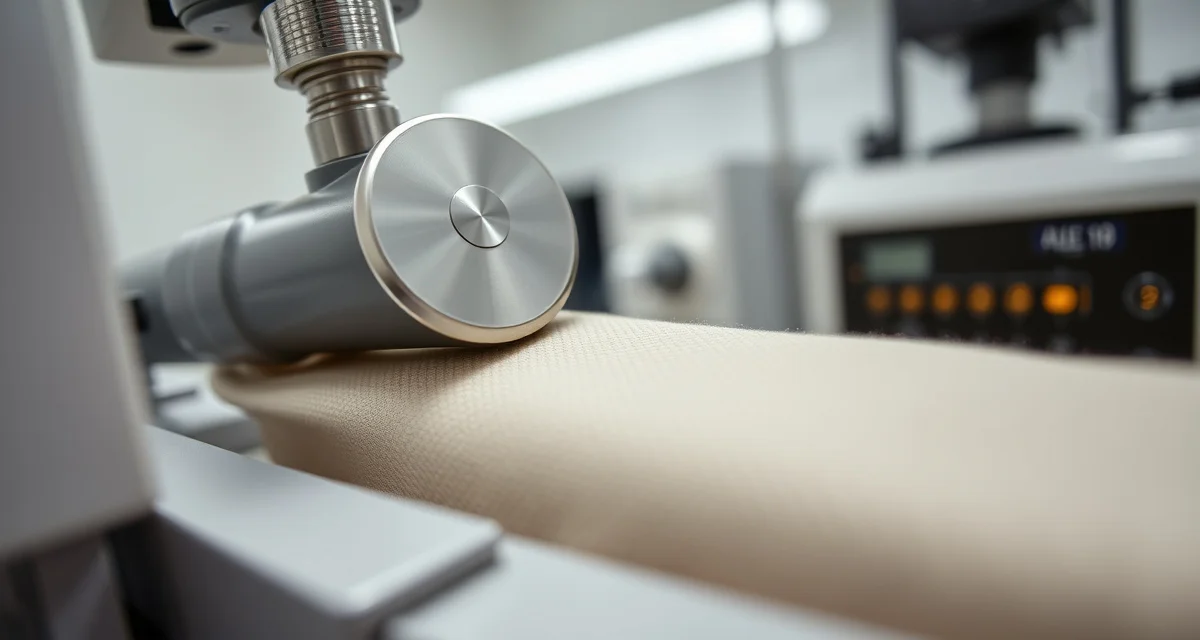
The most common test method in North America is the Wyzenbeek test, which uses wire mesh pressed against the fabric under controlled pressure and repeatedly moved back and forth. When the fabric fails the wear threshold, the count stops. That number is the double rub count.
A fabric rated at 30,000 double rubs completed 30,000 back-and-forth cycles before failing. Higher is more durable.
How Double Rubs Translate to Real-World Durability
The Wyzenbeek test doesn't replicate sitting, pet contact, or cleaning chemistry directly. But it correlates well with relative durability between fabric types. Here's a practical translation:
15,000 double rubs: Decorative and low-traffic use only. Formal rooms, display furniture, antique restoration. Will not hold up to daily family use.
25,000 double rubs: The residential standard. Appropriate for moderate adult use, a sofa used regularly but not heavily stressed. Industry baseline for general residential upholstery.
30,000–50,000 double rubs: Heavy residential. Families with children, active daily use, some pet contact. Notable durability margin over baseline.
50,000–100,000 double rubs: High-traffic residential and light commercial. Performance fabrics, high-grade synthetics. Appropriate for vacation rentals, pet-heavy homes, transitional spaces.
100,000+ double rubs: Contract and commercial minimum. Hotels, restaurants, healthcare, offices. Required by contract specifications on commercial projects.
How to Read a Fabric Spec Sheet
Find the spec sheet for any fabric you're considering. The rub count appears as:
- "Abrasion Resistance: 30,000 double rubs (Wyzenbeek)"
- "Rub Count: 50,000 DR"
- "Martindale: 40,000 cycles" (European test method)
"DR" means double rubs. Martindale and Wyzenbeek are not directly comparable, as a rough guide, 15,000 Wyzenbeek ≈ 25,000 Martindale due to differences in testing motion.
If a fabric has no rub count on the spec sheet, it likely hasn't been tested for upholstery use. Decorative and drapery fabrics often have no Wyzenbeek rating. Don't use unrated fabric on upholstery without documenting the caveat with your client.
How to Log Rub Count in Your Job Records
This is where the 65% reduction in warranty disputes comes from. At quoting, record:
- Fabric name and supplier
- Double rub count (or note "unrated")
- Use case you recommended it for
- Client acknowledgment if they chose a lower-rub-count fabric against your recommendation
A simple line in your job notes: "Fabric: Clarence House Belgrave, 25,000 DR Wyzenbeek. Recommended for adult moderate use. Client advised."
If a client later disputes durability, you have the spec documented and can show what was recommended and why. Without documentation, the dispute is a he-said/she-said that often ends with a free redo on your time.
The upholstery fabric selection guide gives the full decision tree for matching fabric type to use case. The performance fabric guide covers the high-durability option when a client's use case demands it.
Related Questions
How many double rubs does upholstery fabric need?
The minimum for general residential use is 25,000 double rubs. For families with children or moderate pet use, aim for 30,000–50,000. Commercial applications require 100,000+ as a floor standard. Decorative and display furniture can use fabric with 15,000 DR if the piece sees minimal contact.
Is 30,000 double rubs enough for a sofa?
Yes, for moderate residential use, adult couple or small family using it daily but without high-risk factors like young children or pets. For a busier family household, 40,000–50,000 provides more durability margin. For performance fabric, you'll often see 50,000–100,000 DR, which is appropriate for high-traffic family sofas.
Is 30,000 double rubs enough for a sofa?
For a standard adult residential household without pets or young children, 30,000 double rubs is adequate and provides meaningful margin over the 25,000 industry baseline. For a household with regular heavy use, kids who jump on the sofa, pets, multiple people using it daily, 40,000–50,000 double rubs or a performance fabric rated above 50,000 is a better recommendation. Never present 30,000 DR as appropriate for commercial use; the minimum there is 100,000 DR.
Conclusion
Double rub count is simple: it's how many abrasion cycles a fabric survives in the Wyzenbeek test before wearing through. The number translates directly to use-case recommendations: 25,000 for standard residential, 30,000–50,000 for heavy residential, 100,000+ for commercial.
The real value for your shop comes from documenting it. Log the rub count on every job record. Note your recommendation. Protect yourself from disputes you shouldn't have to deal with.
How do I explain fabric choices to a client?
Start with use case: how the piece will be used, who will use it, and whether pets or children are factors. Then narrow by durability requirement (rub count) and cleaning preference (cleaning code). Once practical requirements are set, move to aesthetics: color, texture, pattern. Clients who understand why certain fabrics are recommended are more confident in their choices and less likely to question cost differences between options.
How do I verify fabric quality before accepting a COM order?
Check the fabric label or request a spec sheet from the supplier. Verify: double-rub count (for durability), cleaning code (for maintenance), width (for yardage calculation), and whether the fabric is dry-clean only or has any special handling requirements. For velvet or nap fabrics, confirm the nap direction and whether the fabric is prone to crushing. Document your findings in the job record before beginning work.
FAQ
Sources
- National Upholstery Association
- Association of Master Upholsterers and Soft Furnishers (AMUSF)
- Upholstered Furniture Action Council (UFAC)
- Furniture Today (trade publication)
Get Started with StitchDesk
Helping clients choose the right fabric is a core part of the job, and having accurate yardage calculations and fabric records at hand makes those conversations faster and more confident. StitchDesk keeps fabric data, yardage calculations, and client records in one place so you spend less time on paperwork and more time on the work itself. Try StitchDesk free.