Velvet Nap Direction in Upholstery: Rules Every Shop Must Follow
Velvet nap direction errors cause $300-600 remakes, the most expensive single-fabric mistake in upholstery. Not because the fabric itself is dramatically more expensive than other materials, but because discovering a nap direction error after a piece is complete means unstitching and reupholstering most or all of the affected surfaces.
No competitor content addresses velvet nap direction as a business cost, only as a technical detail. This guide covers both.
TL;DR
- Velvet Nap Direction has specific performance characteristics that make it well-suited for certain applications and less suitable for others.
- Always check the double-rub count before specifying velvet nap direction for a particular use; ratings vary widely between products.
- The cleaning code (W, S, WS, X) for velvet nap direction determines what maintenance clients can safely perform and should be communicated at delivery.
- Pattern repeat, nap direction, and fabric width all affect yardage requirements and should be verified before calculating a quote.
- COM velvet nap direction from clients should be inspected for rub count, cleaning code, and width before acceptance.
- Proper installation technique for velvet nap direction differs from standard fabric; follow manufacturer guidance for any specialty material.
Why Nap Direction Matters on Velvet
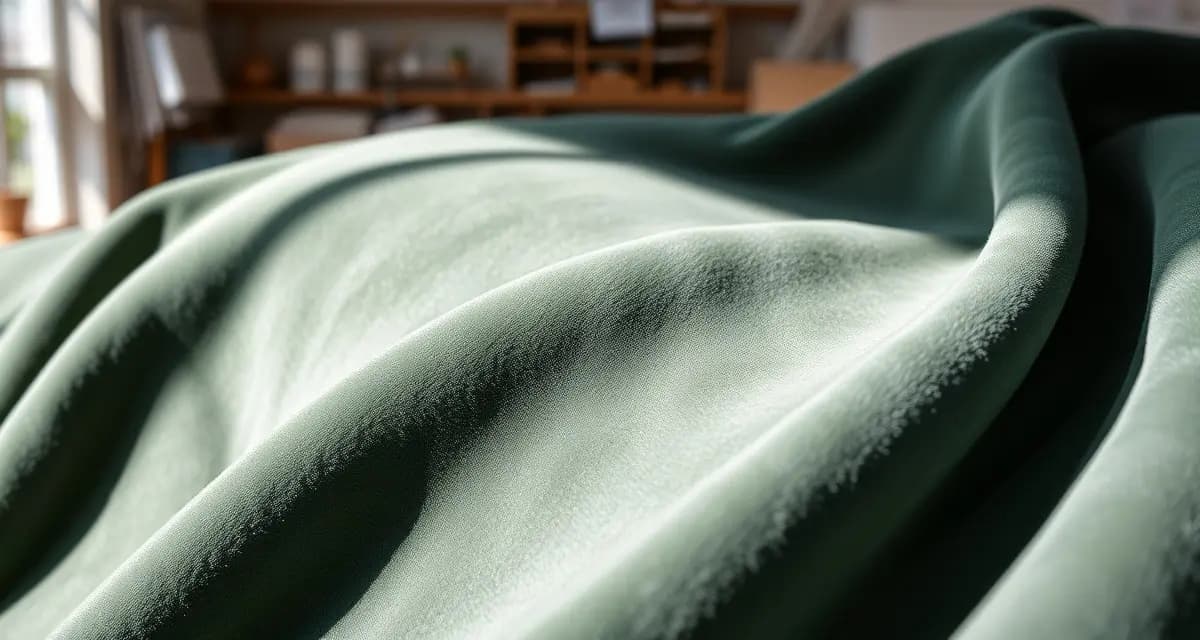
Velvet has a cut pile, thousands of tiny fiber loops that have been cut open to create the soft surface. These fiber ends all point in one direction: the nap direction. When you run your hand in the nap direction, the pile feels smooth. Against the nap, it feels rougher and looks slightly lighter or more frosted.
The same piece of velvet looks different depending on whether you view it with the nap running toward you or away from you. In direct light, the difference can be subtle. In raking light (light coming from the side), it's immediately obvious.
On a sofa with nap direction inconsistency, the inside back might appear a deep, rich color while the cushion tops appear lighter, even though they're the exact same fabric from the same bolt. The client sees two different apparent colors and assumes there was a dye lot problem or a manufacturing defect. The real problem is nap direction, and it's entirely preventable.
Which Direction Should Velvet Nap Run?
The standard for upholstery velvet:
Vertical surfaces (back panels, outside back, outside arms, cushion fronts):
Nap runs downward, when you stroke the velvet from top to bottom, it should feel smooth. This makes the velvet appear darkest and richest from the seated viewing angle.
Horizontal surfaces (seat tops, cushion tops, deck fabric if velvet is used):
Nap runs toward the sitter, from the back of the seat toward the front. From the normal seating position, stroking toward yourself should feel smooth.
This is the traditional convention, and it's what most experienced upholsterers follow. However, some designers specify the opposite, nap running upward on vertical surfaces, for a lighter, frosted look. If a designer specifies otherwise, follow the specification. But document it, because a client who sees the lighter appearance later might question whether it's correct.
How to Verify Nap Direction Before Cutting
The hand test: Run your hand along the fabric surface. One direction feels smooth (with the nap); the other feels slightly rough (against the nap). Establish which direction is "with the nap" before cutting anything.
The light test: Shine a light at a low angle across the fabric surface. The nap creates a shadow in the "against" direction that clearly shows which way the pile lies. The darker side under raking light is the "against nap" direction.
The mark-and-check process:
- Unroll the velvet and determine nap direction using the hand test
- Draw an arrow on the selvage edge indicating the "with nap" direction (pointing downward in standard convention)
- Before any piece is cut, check the arrow against the planned cutting layout
- Before any piece is moved from the cutting table, mark it with tape and a directional arrow
The Cost-of-Error Section: Why This Matters Financially
Cost of a nap direction error on a chair: The error is typically caught when the chair is partly assembled. If caught early, the wrongly-oriented piece may be replaceable without unstitching. If caught late (after the chair is complete and delivered):
- Unstitching and removing all outside arms, inside arms, or back panels: 2-3 hours
- Ordering replacement fabric: cost of fabric + rush shipping
- Reinstalling: 2-3 hours
- Client discount or free remake: 10-20% of job value
Total cost for a chair: $200-400 depending on fabric cost and labor rate.
Cost of a nap direction error on a sofa: A fully complete sofa with nap direction errors on the cushion tops (running opposite to the sofa back):
- Unstitching and removing 3 cushion covers: 2 hours
- Replacement cushion fabric: cost of fabric + rush shipping
- New cushion covers: 2-3 hours sewing
- Client discount: typically 10% of sofa job
Total cost for a sofa cushion nap error: $300-600 depending on fabric and job value.
These are conservative estimates. On high-end velvet at $80-100/yard, the replacement fabric cost alone is notable.
Nap Direction for Velvet on Different Furniture Pieces
Sofas and Loveseats
On a sofa, the primary nap-critical surfaces are:
- Inside back: Nap downward (smooth when stroked from top to bottom)
- Outside back: Nap downward (consistency with inside back is important)
- Seat top: Nap toward sitter (front to back)
- Seat cushion tops: Nap toward sitter
- Cushion fronts (boxing): Nap downward
- Inside arms: Nap downward
- Outside arms: Nap downward (match inside arm direction)
Chairs and Ottomans
Same convention. On barrel chairs with continuous inside back/arm surfaces, the nap direction on the continuous piece must be consistent throughout its curve.
On ottomans, nap runs toward the viewer from the primary viewing direction, typically away from the wall in a seating arrangement.
Preventing Nap Direction Errors in Production
Rule 1: Never trust your memory. Mark every piece before it leaves the cutting table. Use directional arrows on tape, chalk marks on the back of fabric, or a consistent tagging system.
Rule 2: Check pieces under raking light together before sewing. After cutting all pieces for a job, lay them face-up on the cutting table and illuminate from one side. Any piece with inconsistent nap direction will look obviously different, catch it here, not after it's sewn.
Rule 3: Do a pre-assembly check. Before upholstering the piece, hold all major cut pieces up against the frame in their intended positions and view them from the client's likely viewing angle. Any inconsistency visible at this stage is free to fix.
The velvet fabric yardage calculator covers the yardage implications of velvet's directional requirements. The nap direction fabric calculator can help you plan direction-consistent cutting layouts for velvet and other pile fabrics.
FAQ
What direction should velvet nap run in upholstery?
On vertical surfaces, velvet nap should run downward, smooth when stroked from top to bottom. On horizontal surfaces (seat tops, cushion tops), nap should run toward the sitter, smooth when stroked from the back of the seat toward the front. This convention makes the velvet appear at its deepest, richest color from the primary viewing angle. Some designers specify the opposite for a lighter effect, but always document any deviation from the standard.
How do I check velvet nap direction before cutting?
Use the hand test: stroke the fabric in both directions. One direction is smooth (with the nap); the other is rougher (against the nap). Confirm with the raking light test: hold a light at a low angle across the fabric. The shadow shows which direction the pile lies, the darker side under raking light is "against nap." Once you've confirmed the direction, mark an arrow on the selvage pointing with the nap before cutting any pieces.
Does velvet nap direction add to yardage?
Yes. The nap direction requirement means all pieces must be cut in the same orientation, you can't rotate panels to fit more efficiently on the bolt. This single-direction cutting restriction increases waste compared to a non-directional fabric. For standard medium-pile velvet, budget 17-20% waste factor (compared to 8-10% for non-directional fabric). For high-pile velvet, 20-25%. The extra waste is not negotiable, it's the cost of maintaining nap direction consistency across the entire piece.
How durable is this fabric for everyday residential use?
Durability depends on the specific product's double-rub count. For everyday residential use, look for a minimum of 15,000 double rubs for light use and 30,000+ for heavy residential use. Always check the manufacturer's specification rather than the fabric category alone, as durability varies significantly within any fabric type depending on construction and finishing.
How do I care for upholstery covered in this fabric?
Follow the cleaning code on the fabric label: W (water-based cleaners safe), S (solvent-based cleaners only), WS (either), or X (vacuum only). For spot cleaning, always test in an inconspicuous area first. Blot spills immediately rather than rubbing, which spreads the stain and can damage the fabric structure. Provide clients with a written care card at delivery specifying the cleaning code and any special maintenance recommendations.
What is the yardage impact of using this fabric with a pattern?
Pattern repeats add yardage proportional to the repeat size and the number of cutting zones on the piece. A 13-inch repeat adds roughly 10-20% over plain fabric on most pieces. A 27-inch repeat can add 25-35% or more depending on the piece type and number of cushions. Calculate yardage zone by zone for any patterned fabric rather than applying a generic percentage buffer.
Sources
- National Upholstery Association
- Association of Master Upholsterers and Soft Furnishers (AMUSF)
- Upholstered Furniture Action Council (UFAC)
- Furniture Today (trade publication)
Get Started with StitchDesk
Helping clients choose the right fabric is a core part of the job, and having accurate yardage calculations and fabric records at hand makes those conversations faster and more confident. StitchDesk keeps fabric data, yardage calculations, and client records in one place so you spend less time on paperwork and more time on the work itself. Try StitchDesk free.