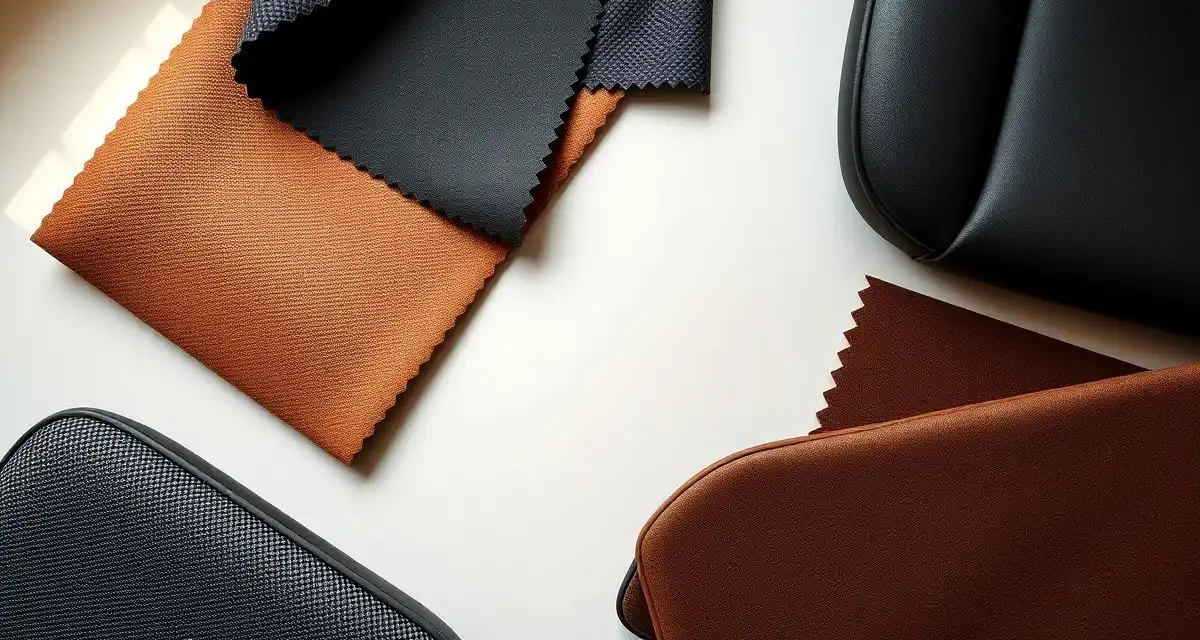
Gaming Chair Fabric and Vinyl Guide for Upholstery Shops
Gaming chair reupholstery is a growing $200-400 residential job type, and shops that can quote it quickly win the online leads that established shops ignore. Most upholstery shops don't list gaming chair work on their websites. Clients searching for gaming chair reupholstery in their area find almost no options. If you're in that gap, you're capturing work your competitors don't even know exists.
This guide covers the materials, construction zones, and yardage for gaming chair reupholstery.
TL;DR
- This guide covers the specific techniques, measurements, and decisions that determine quality outcomes in upholstery work.
- Planning and preparation before cutting begins is the most reliable way to avoid costly errors on any upholstery job.
- Fabric selection, yardage calculation, and structural assessment are the three decisions that most affect the final result.
- Experienced upholsterers develop consistent workflows that ensure quality and efficiency across every job type they handle.
- Documenting job details, material specifications, and client approvals protects both the shop and the client.
- The right tools, materials, and techniques for each job type make a measurable difference in quality and profitability.
What Gaming Chairs Are Made Of
Almost all gaming chairs manufactured in the last decade use one of three materials:
PU vinyl (polyurethane vinyl): The most common material by far. PU vinyl has a soft, slightly padded surface layer bonded to a fabric backing. It looks like leather at first glance but has a distinct synthetic feel. PU vinyl is the original material on most budget and mid-range gaming chairs.
The problem with factory PU vinyl is its lifespan. Most gaming chair PU vinyl starts peeling and flaking within 2-4 years of regular use, especially in warmer climates or dry air environments. The urethane layer delaminates from the backing as the plasticizers in the vinyl break down.
Genuine or bonded leather: Higher-end gaming chairs use genuine leather, corrected-grain leather, or bonded leather. Genuine leather lasts much longer than PU vinyl. Bonded leather (leather fiber scraps bonded to a backing) performs similarly to PU vinyl in terms of durability issues.
Mesh: Ergonomic gaming chairs increasingly use mesh backs. Mesh backs are not typically reupholstered, when they fail, the mesh section is replaced, which is more of a repair than upholstery work. Seats on mesh-back chairs are usually vinyl or leather and can be reupholstered normally.
Replacement Material Options
When a gaming chair comes in for reupholstery, the client has three practical options:
Upgrade to automotive-grade PU vinyl: Higher-quality PU vinyl designed for automotive interiors is far more durable than gaming chair OEM vinyl. It uses better plasticizers, thicker coatings, and has UV stabilization. Cost: $12-20 per yard. For the average gaming chair, total material cost is $15-35. This is the right choice for clients who want the same look with better durability.
Genuine leather: A genuine leather replacement feels dramatically better than factory PU vinyl, lasts 10+ years with basic care, and considerably upgrades the chair's perceived value. Cost: $15-40 per square foot. Total material for a gaming chair: $45-120 depending on size. This makes sense for clients with higher-end chairs or strong attachment to a specific model.
Performance synthetic (Alcantara or similar microsuede): Some gaming clients want the grip and texture of microsuede for their seats. It doesn't show fingerprints, provides good grip during gaming sessions, and is available in gaming-aesthetic colors. Cost: $25-50 per yard. Best for seat panels where tactile performance matters.
The Anatomy of a Gaming Chair
Gaming chairs have more fabric zones than they appear to from the outside. Understanding each zone is essential for accurate yardage:
Seat: The seat cushion has a top surface, bottom cover, and boxing strip (sides). Some gaming chair seats are separate cushions with full enclosure and zipper; others are fixed to the base frame.
Back: The back has an inside back surface (where you lean), an outside back surface (rear face), and a shaped top. The back is typically the largest single fabric zone.
Side bolsters (wings): Gaming chairs have pronounced side bolsters on both seat and back. These are raised sections that run along the sides. They're often in a contrasting color to the center panels on factory chairs. On reupholstery, the client can maintain the two-tone look or unify it.
Headrest pillow: The removable headrest is a separate zone. It has a front face, back face, and a connecting strap or attachment mechanism.
Lumbar pillow: The removable lumbar support is another separate zone. Same construction as the headrest.
Armrests: Some gaming chair armrests are soft-topped and can be reupholstered. Many are hard plastic and don't require fabric work.
Yardage Calculation for Gaming Chairs
Gaming chair yardage at 54-inch fabric width:
| Zone | Approximate Yardage |
|---|---|
| Seat (top + bottom + boxing) | 1.0-1.3 yards |
| Back (inside + outside + top) | 1.2-1.5 yards |
| Back side bolsters (pair) | 0.5-0.75 yards |
| Seat side bolsters (pair) | 0.3-0.5 yards |
| Headrest pillow | 0.25-0.3 yards |
| Lumbar pillow | 0.2-0.25 yards |
| Total | 3.5-4.5 yards |
For a two-tone gaming chair maintaining the original color split:
- Primary color: ~2.5-3 yards (center panels)
- Contrast color: ~1-1.5 yards (bolsters)
Add 15% for cutting waste and small panels.
Use the fabric yardage calculator for chairs with gaming chair dimensions for a more precise estimate based on the specific chair in the shop.
Quoting Gaming Chair Work
A gaming chair reupholstery job is typically a 3-4 hour job for an experienced upholsterer who knows the construction. Quote it at:
- 3-4 hours labor at your shop rate
- Material cost: $45-90 depending on vinyl grade and whether piping is added
- Total: $180-350 for a standard job
Some clients have rare or collectible gaming chairs (limited editions, discontinued models) where the chair is worth $400-800. These clients will pay premium rates for quality reupholstery work. If you can identify the chair model, you can assess its replacement value and quote accordingly.
Frequently Asked Questions
What fabric is used to reupholster a gaming chair?
Factory gaming chairs use PU vinyl. For reupholstery, the best upgrade options are automotive-grade PU vinyl (more durable than factory spec), genuine leather (notable durability and feel upgrade), or performance microsuede/Alcantara for seat panels where grip and texture matter. Automotive-grade PU vinyl is the most practical choice for most clients, balancing cost, look, and durability at $15-35 in total material for a standard gaming chair.
How much vinyl for a gaming chair?
A standard gaming chair requires 3.5-4.5 yards of vinyl or fabric total for all zones, including seat, back, bolsters, headrest, and lumbar pillow. If you're maintaining a two-tone look, budget 2.5-3 yards for the primary color and 1-1.5 yards for the contrast. Add 15% for cutting waste on the shaped zones. For large racing-style gaming chairs with extra-wide seats and tall backs, yardage can reach 5 yards.
How do I calculate yardage for a gaming chair?
Measure each zone separately: seat top/bottom and boxing, inside back, outside back, both sets of side bolsters, headrest, and lumbar pillow. Sum all zones and add 15% for waste. The shaped bolster sections require bounding box measurements rather than finished shape measurements because the curves produce cutting waste. A zone-by-zone approach gives a much more accurate result than trying to estimate the whole chair as a unit.
What are the most common mistakes to avoid in this type of work?
The most common mistakes are underestimating material requirements, starting work before the frame is fully assessed and repaired, and skipping the centering and alignment checks before cutting. Each of these is far more expensive to correct after cutting has begun than to prevent at the planning stage. Taking an extra 15-30 minutes at the assessment and planning stage pays dividends throughout the job.
How do I get the best results from a professional upholsterer?
Come to the consultation with clear measurements, photos of the piece, and an idea of the room's color scheme and intended use. Be specific about how the piece will be used: high traffic, pets, children, or outdoor exposure all affect fabric recommendations. Provide fabric samples or accept guidance on appropriate options for your use case. Approve the proof carefully and ask to see the fabric on the piece before final installation if you are uncertain about a pattern or color choice.
When should I consult a professional rather than doing the work myself?
Consult a professional when the piece has structural issues beyond simple fabric replacement, when the piece has significant financial or sentimental value, or when the fabric or technique (tufting, pattern matching, hand-tacking) requires skills you have not developed. A professional assessment before you begin is free at most shops and can prevent costly mistakes on a piece worth preserving.
Related Articles
- Boucle Upholstery Guide: The Trending Fabric That Needs Care
- Choosing Upholstery Fabric: A Practical Guide
Sources
- National Upholstery Association
- Association of Master Upholsterers and Soft Furnishers (AMUSF)
- Upholstered Furniture Action Council (UFAC)
- Furniture Today (trade publication)
Get Started with StitchDesk
Running a successful upholstery shop means getting the details right on every job. StitchDesk gives you purpose-built tools for quoting, fabric calculation, job tracking, and client communication, all in one place designed specifically for the trade. Start a free trial and see how StitchDesk supports quality work from intake to delivery.