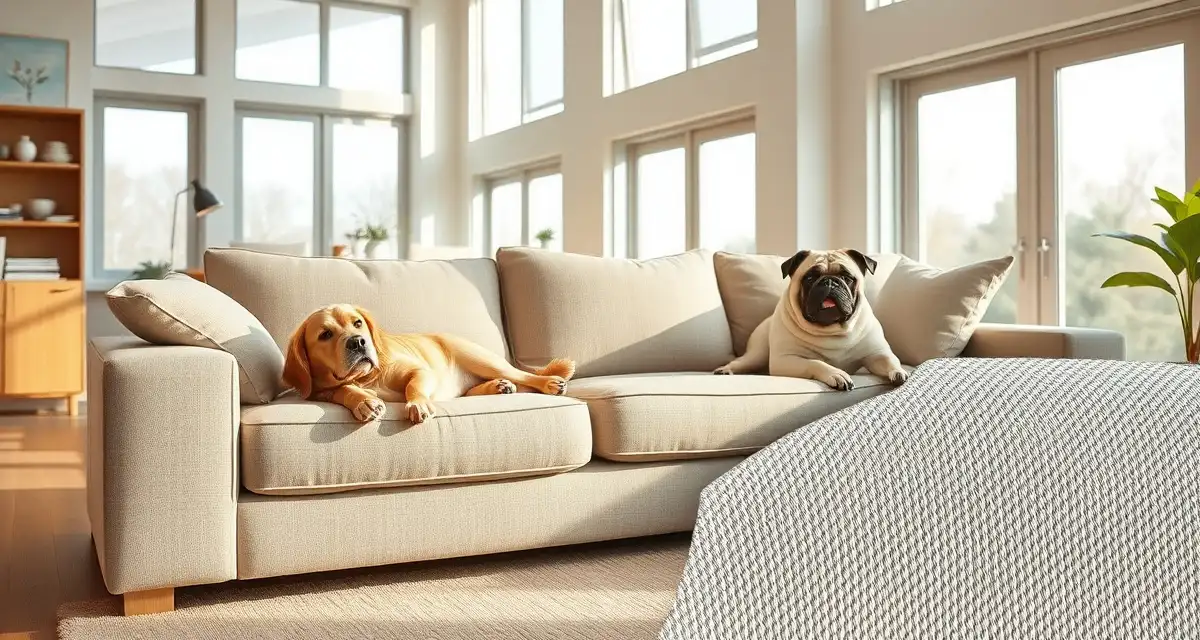
Best Upholstery Fabric for Homes with Dogs: Specific Breeds Guide
Bulldog owners need puncture-resistant vinyl or thick weave, the same fabric that works for a chihuahua won't last. The right fabric depends on what your specific dog does to furniture. A small non-shedder is very different from a large heavy-shedder or a dedicated chewer. This guide breaks down fabric recommendations by dog behavior type.
TL;DR
- This guide covers the specific techniques, measurements, and decisions that determine quality outcomes in upholstery work.
- Planning and preparation before cutting begins is the most reliable way to avoid costly errors on any upholstery job.
- Fabric selection, yardage calculation, and structural assessment are the three decisions that most affect the final result.
- Experienced upholsterers develop consistent workflows that ensure quality and efficiency across every job type they handle.
- Documenting job details, material specifications, and client approvals protects both the shop and the client.
- The right tools, materials, and techniques for each job type make a measurable difference in quality and profitability.
Dog Behavior Categories That Drive Fabric Choice
Dogs do four things to furniture: they shed, they scratch with claws, they make it wet (spills, drool, muddy paws), and some chew. The dominant behavior determines the priority.
Heavy shedders (Labs, German Shepherds, Huskies, Golden Retrievers, Corgis): Hair removal is the primary concern. You want fabric that releases hair easily and doesn't hold it with static.
Heavy clawers (most large breeds, especially excited or anxious dogs): Scratch resistance is the priority. You want a tight weave that doesn't snag or pull.
Droolers and wet dogs (Bulldogs, Mastiffs, Bloodhounds, and any large dog that goes outside in rain): Moisture resistance is paramount. You want quick-drying fabric or one that doesn't absorb liquid.
Chewers (puppies of most breeds, anxious dogs, Terriers): No fabric is truly chew-proof, but some are much harder to get a grip on than others. Tightly woven fabrics and smooth materials like leather are more resistant.
Recommendations by Dog Type
Large Heavy Shedders (Labs, Goldens, German Shepherds, Huskies)
Best choices: Performance fabric in a mid-tone or warm color similar to your dog's coat. Look for fabrics described as "pet-friendly" or "easy clean", these are engineered to release hair. Microfiber in a darker shade is also a practical choice.
Color guidance: A warm golden or tan performance fabric shows far less hair from a Lab than a dark navy or charcoal. A cool gray or charcoal is better for black Labs.
Avoid: Velvet (hair embeds deeply), bouclé (hair tangles in loops), any light-colored natural fiber.
Small Dogs (Chihuahuas, Dachshunds, Shih Tzu, Maltese)
Small dogs are gentler on furniture than large breeds. Their claws cause less mechanical damage, they weigh less (less pressure on fabric fibers), and most shed less absolute volume of hair even when shedding rates are high.
Best choices: A wider range of fabrics works well. Performance fabric is still the safest choice for cleanability, but a high-quality cotton blend or microfiber also performs well.
Upgrade opportunity: Small-dog households can often use fabrics that would be impractical with larger breeds, including velvet in a pet-friendly version or a durable linen blend in a dark color.
Heavy Droolers and Wet Dogs (Bulldogs, Mastiffs, Saint Bernards)
Moisture resistance is the top priority for drooling breeds and dogs that come inside wet from rain or swimming.
Best choices: Performance fabric with liquid-barrier finish, marine vinyl, or leather. Performance fabric rated for moisture resistance (Crypton and similar) prevents liquid from absorbing before you can blot it. Marine vinyl is completely waterproof.
Microfiber caution: Standard microfiber absorbs liquid more slowly than natural fibers but will eventually absorb moisture from a drooling dog resting their head on the same spot for hours. Performance-rated microfiber handles this better.
Avoid: Any natural fiber, standard microfiber for heavy droolers, velvet.
Chewing Dogs
No upholstery fabric is genuinely chew-proof. The goal is choosing materials that are harder to grip and less appealing to chew.
Leather: Hard to grip and puncture compared to woven fabrics. Dogs that chew fabric corners often leave leather alone because there's no loose thread to start with.
Tightly woven performance fabric: Harder to get a grip on than loose weaves. Still gets chewed if a dog is motivated, but requires more effort than a loosely woven fabric with accessible edge fibers.
Vinyl: Durable surface but can be punctured with enough pressure. Once punctured, it peels at the damage point.
Avoid: Loose weaves, bouclé, any fabric with fringe or decorative elements that give a dog something to grab.
Universal Rules for Dog Households
Choose mid-tones over light or very dark colors: Mid-tones (warm gray, tan, sage green, slate blue) show less hair from most dog coat colors than cream, ivory, black, or charcoal.
Wyzenbeek rating minimum: For households with dogs over 25 pounds, look for a 50,000+ double rub rating. For dogs under 25 pounds, 30,000+ is adequate.
Dark piping and welt: If you're choosing a lighter main fabric, dark welt cord shows dirt more than the main fabric, or choose welt that matches the main fabric closely.
Cushion construction: Consider fixed cushions rather than loose cushions if your dog moves cushions around. Fixed construction stays in place and has no seam at the base that dogs can chew.
For general pet fabric guidance including cats, see reupholstery fabric for dogs and cats. For performance fabric guidance, see the performance fabric upholstery guide.
Frequently Asked Questions
What fabric is best for large dog owners?
Performance fabric is the best choice for large dog households. It handles the combination of heavy use, shedding, moisture, and claw stress better than any natural fiber. Choose a Wyzenbeek rating of 50,000+ for large dogs and a color in the mid-tone range that's similar to your dog's coat. Top grain leather is an excellent alternative if the budget allows. Both outperform cotton, linen, velvet, and bouclé for households with large dogs.
Is microfiber or leather better for dogs?
Leather is better than microfiber for most dog households, especially large dogs or heavy droolers. Leather wipes clean more easily, doesn't trap hair, and handles the weight and pressure of large dogs better than microfiber over time. Microfiber is a practical middle-ground option for small to medium dogs where the cost of leather isn't justified. The one advantage of microfiber is comfort, leather can feel hard and cold, while microfiber has a softer texture similar to fabric.
What fabric resists dog scratches?
Tightly woven performance fabric and leather resist dog scratches better than loose weaves or cut pile fabrics. Performance fabric won't snag from a single claw pass the way velvet or bouclé does. Leather can show individual claw marks on lighter colors but doesn't pull or run the way woven fabric does. The key for scratch resistance is tight weave structure, fabrics with visible texture gaps or loops (bouclé, loose linen, velvet) are the most vulnerable.
What are the most common mistakes to avoid in this type of work?
The most common mistakes are underestimating material requirements, starting work before the frame is fully assessed and repaired, and skipping the centering and alignment checks before cutting. Each of these is far more expensive to correct after cutting has begun than to prevent at the planning stage. Taking an extra 15-30 minutes at the assessment and planning stage pays dividends throughout the job.
How do I get the best results from a professional upholsterer?
Come to the consultation with clear measurements, photos of the piece, and an idea of the room's color scheme and intended use. Be specific about how the piece will be used: high traffic, pets, children, or outdoor exposure all affect fabric recommendations. Provide fabric samples or accept guidance on appropriate options for your use case. Approve the proof carefully and ask to see the fabric on the piece before final installation if you are uncertain about a pattern or color choice.
When should I consult a professional rather than doing the work myself?
Consult a professional when the piece has structural issues beyond simple fabric replacement, when the piece has significant financial or sentimental value, or when the fabric or technique (tufting, pattern matching, hand-tacking) requires skills you have not developed. A professional assessment before you begin is free at most shops and can prevent costly mistakes on a piece worth preserving.
Sources
- National Upholstery Association
- Association of Master Upholsterers and Soft Furnishers (AMUSF)
- Upholstered Furniture Action Council (UFAC)
- Furniture Today (trade publication)
Get Started with StitchDesk
Running a successful upholstery shop means getting the details right on every job. StitchDesk gives you purpose-built tools for quoting, fabric calculation, job tracking, and client communication, all in one place designed specifically for the trade. Start a free trial and see how StitchDesk supports quality work from intake to delivery.