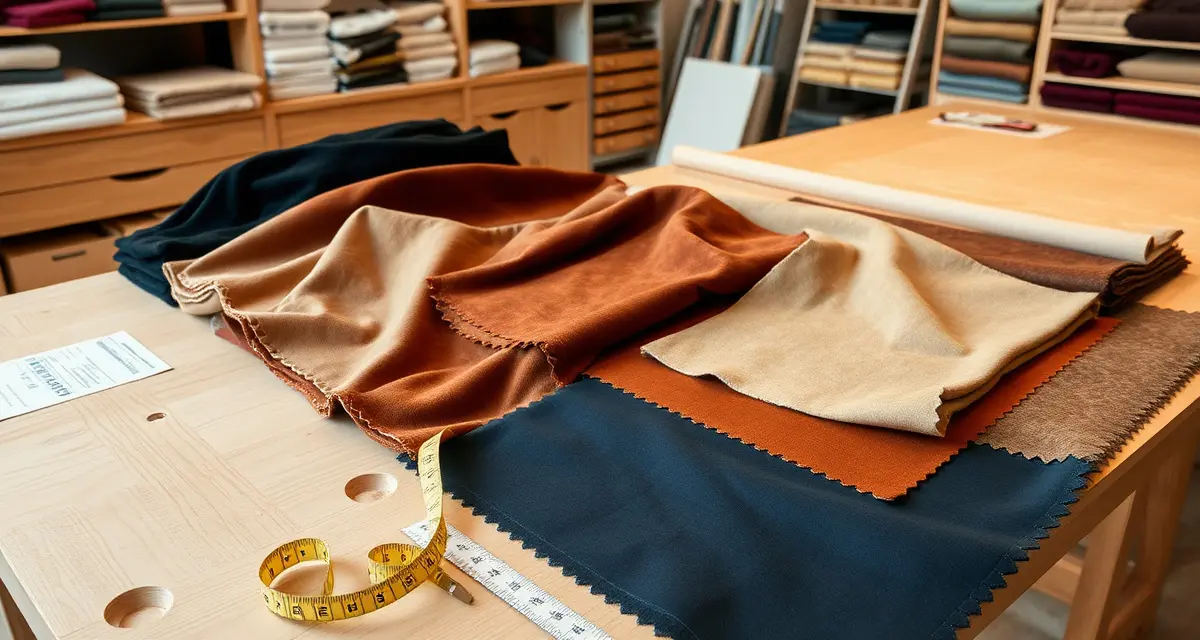
Reupholstery Pricing by Fabric Type: Velvet Leather Vinyl Performance
Leather jobs average 25% more labor time than fabric jobs on the same piece, and that extra time rarely makes it into the initial quote. The same gap exists with velvet (pile direction requires extra positioning time), pattern fabric (repeat matching adds 15 to 30% to yardage and cutting time), and performance fabrics (texture and stretch require adjusted tension). Every fabric type has both a material cost and a labor time premium that has to be priced in explicitly.
This guide provides a pricing matrix for the eight most common upholstery fabric types, covering material cost range, labor time premium, and total price impact on a standard job.
TL;DR
- Accurate pricing requires knowing your actual labor rate (overhead + target wage + profit margin), not a rough estimate.
- Most shops undercharge by failing to account for pattern repeat waste, frame repair time, and non-billable admin overhead.
- A documented pricing structure with itemized line items builds client trust and reduces negotiation friction.
- Fabric markup of 20-40% over cost is standard practice in residential upholstery shops.
- Premium work (leather, tufting, custom trim) warrants a premium labor rate, which should be explicit in your quote structure.
- Consistent pricing with clear line items also makes it easier to analyze profitability by job type over time.
Why Fabric Type Affects More Than Material Cost
The mistake in fabric pricing is treating it purely as a material cost line: fabric price × yardage + standard labor = quote. This underprices any fabric that's harder to work with than a mid-grade woven.
Fabric type affects three pricing variables:
- Material cost per yard (straightforward. More expensive fabric costs more)
- Yardage required (pattern repeat adds yardage; some specialty fabrics require more waste)
- Labor time (pile direction, stretch, hand-stitching leather, vinyl stretching all add time)
Getting the third variable right is what separates accurate quotes from jobs that run over.
Pricing Matrix by Fabric Type
Cotton and Linen Blends
Material cost: $12 to $35/yard wholesale
Labor premium: 0% (baseline)
Yardage premium: 0% for solid/small pattern; 15 to 20% for large pattern
Cotton and linen are the baseline reference for labor time. Medium weight, predictable stretch, straightforward to cut and apply. Quote at standard labor rate with no adjustment.
Velvet
Material cost: $18 to $65/yard wholesale
Labor premium: 10 to 15%
Yardage premium: 10% (pile direction verification adds waste)
Velvet requires consistent pile direction across all panels. Every panel must run pile in the same direction or the finished piece shows color variation under light. This verification and positioning step adds 10 to 15% to labor time. Also, velvet doesn't recover well from staple holes, so initial placement needs to be right before committing. Quote the labor premium explicitly.
Performance Fabrics (Sunbrella, Crypton, etc.)
Material cost: $20 to $55/yard wholesale
Labor premium: 5 to 10%
Yardage premium: 0 to 5%
Performance fabrics are tighter woven and less forgiving of tension errors than standard upholstery fabric. They don't have the stretch to recover from a poor pull, so every staple line needs to be positioned correctly the first time. The labor premium is modest but real on tighter cuts like arm boxing and seat fronts.
Leather
Material cost: $8 to $30/square foot (sold by sq ft, not yard)
Labor premium: 20 to 30%
Yardage premium: Varies by hide irregularity (10 to 20% waste buffer)
Leather is the most significant labor premium of any common upholstery material. It can't be sewn with standard thread (requires heavy upholstery or saddle thread and appropriate needle). It doesn't forgive staple holes, so positioning before committing is critical. Corners require different technique. Crease the fold point with a bone folder before wrapping. Tufting in leather adds hand time because the leather must be worked into each button pull manually. Budget 25% more labor than the same job in fabric.
Vinyl and Faux Leather
Material cost: $8 to $25/yard wholesale
Labor premium: 10 to 15%
Yardage premium: 5%
Vinyl has no stretch recovery. Once a staple is driven in, the hole is permanent. This requires more careful initial placement. In cold weather, vinyl stiffens and becomes harder to work around curves. Marine-grade vinyl has even stiffer backing. The labor premium is mostly from the care required at corners and curves.
Outdoor/Sunbrella-Type Fabric
Material cost: $18 to $45/yard wholesale
Labor premium: 5%
Yardage premium: 0%
Outdoor fabric is generally straightforward to work with but the tight weave means standard 1/2" staples need sufficient force to penetrate fully. Very similar to performance fabric in handling. The premium is small but worth including.
Boucle
Material cost: $25 to $80/yard wholesale
Labor premium: 10 to 15%
Yardage premium: 10 to 15%
Boucle's looped texture can catch on tools and frame edges, requiring careful handling. The loops can also distort at cut edges, so cutting must be done precisely and edges need to be stable before installation. Pattern alignment is tricky because the texture makes the weave line hard to read. Allow a yardage premium and a modest labor premium.
Pattern Fabric (Repeat Matching)
Material cost: Varies by fabric base
Labor premium: 15 to 25% (for matching time)
Yardage premium: 15 to 30% (for repeat waste)
Pattern fabric is a category that overlaps with all the above. Any patterned version of cotton, velvet, performance, or other fabric requires both extra yardage and extra labor time for pattern matching. The yardage premium depends on repeat size. A 12-inch repeat on a sofa might add 2 to 3 yards; a 24-inch repeat can add 4 to 6 yards. Quote the pattern premium as a separate line item so the client understands what they're paying for.
Pricing the Fabric Premium in Your Quote
The cleanest way to handle fabric premiums is as a line item in the estimate: "Leather labor premium: $X." This makes the premium visible and prevents the client from thinking the price increase is arbitrary when they switch from fabric to leather.
For detailed guidance on how fabric markup connects to your quote structure, the how to price reupholstery jobs guide covers the full methodology. For fabric selection guidance that helps clients make informed choices, the fabric selection guide covers material properties in plain language.
Frequently Asked Questions
How do I price velvet upholstery differently from cotton?
Add a 10 to 15% labor premium to the labor line of your estimate for velvet jobs. Velvet requires verifying pile direction across all panels and careful initial positioning because it doesn't recover from staple holes as well as woven cotton. Also add a 10% yardage buffer above your standard calculation for pile direction waste. The material cost premium varies widely (velvet can cost 2x a mid-grade cotton per yard) so the material line will naturally be higher. The labor premium is the part that gets missed.
Should I charge more for leather reupholstery?
Yes, always. Leather takes 20 to 30% more labor time than the same job in fabric, for several reasons: it can't be sewn with standard thread (requires special needles and heavier thread), it doesn't forgive staple placement errors, corners need a different wrapping technique, and any tufting requires manual button work rather than standard pull-through. Add a leather labor premium as an explicit line item in the estimate. Most clients who choose leather already expect it to cost more. They appreciate seeing the breakdown rather than just a higher total.
Does pattern fabric cost more to reupholster?
Yes, on two dimensions. Pattern fabric requires extra yardage for repeat matching (typically 15 to 30% more than the flat yardage, depending on the size of the repeat. A 24-inch repeat on a three-cushion sofa can add 4 to 6 yards to your order. Pattern fabric also takes longer to cut and position) matching patterns across seams and panels adds 15 to 25% to cutting time. Both the extra yardage and the extra labor time need to be in the estimate. Quote them as separate line items ("pattern yardage premium" and "pattern matching labor") so the client can see exactly what drives the additional cost.
How do I set an hourly labor rate for my upholstery shop?
Start with your actual cost per hour: divide total monthly overhead (rent, utilities, insurance, supplies, equipment) by your billable hours per month, then add your target wage per hour. Apply a profit margin of 20-35% on top of that base. Most residential upholstery shops in 2025 bill $65-120/hour depending on location and specialization. Urban markets and shops specializing in antiques or premium leather command the higher end of that range.
How do I handle clients who want to negotiate the price?
The most effective response to price negotiation is to explain what the price covers, not to simply lower it. Walk the client through the labor time, fabric cost, and any structural work required. If the client needs a lower price, offer to adjust the scope (simpler fabric, no welt cording, tight seat instead of loose cushion) rather than discounting the same work. Discounting without scope changes devalues your labor and creates an expectation of discounting on future jobs.
Sources
- National Upholstery Association
- Association of Master Upholsterers and Soft Furnishers (AMUSF)
- Upholstered Furniture Action Council (UFAC)
- Furniture Today (trade publication)
Get Started with StitchDesk
Pricing confidence comes from knowing your actual costs and communicating them clearly in every quote. StitchDesk helps upholstery shops build detailed quotes, track job costs against estimates, and develop pricing that protects margins across every job type. Try StitchDesk free and bring precision to your pricing.