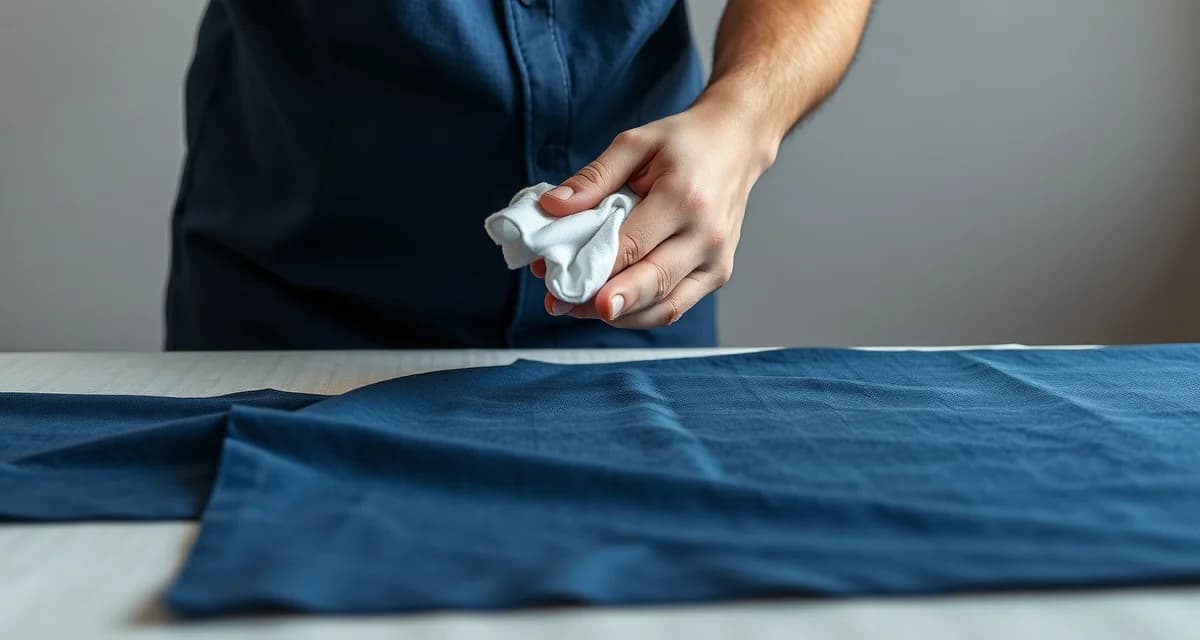
Testing Upholstery Fabric Colorfastness: How to Check Before Cutting
Fabrics that fail the wet rub test transfer color to adjacent fabric in contact, a serious complaint risk in patterned work. A deep navy sofa that crocks color onto a cream armchair cushion creates an expensive problem. Running three quick tests before cutting catches these issues before you've committed to the job.
This guide covers the three colorfastness tests that matter for upholstery, how to run each one, and what results indicate a problem.
TL;DR
- Understanding colorfastness test properties helps you select the right material for each client's specific use case and budget.
- Durability ratings (double-rub count) are the standard measure of upholstery fabric longevity: 15,000+ for light use, 30,000+ for heavy residential, 100,000+ for commercial.
- Fabric cleaning codes (W, S, WS, X) determine what cleaning methods are safe and should be communicated to every client at handoff.
- Pattern repeat, nap direction, and fabric width are the three variables that most affect yardage requirements on any piece.
- COM fabric should always be verified for rub count and cleaning code before acceptance.
- Fabric performance in real use depends on the application: a fabric rated for light residential use will fail quickly in high-traffic settings.
Why Colorfastness Matters for Upholstery
Upholstery fabric is under ongoing pressure and friction. A person sitting on a sofa creates repeated rubbing against adjacent surfaces. A fabric that transfers color under dry friction will eventually color-transfer to clothing. A fabric that transfers color when wet can stain pillows, slipcovers, or anything damp that contacts the surface.
The stakes are particularly high with:
- Deep, saturated colors (navy, burgundy, forest green, black)
- Natural-dye or artisan fabrics
- COM fabric from sources you haven't used before
- Any fabric where the supplier doesn't have explicit colorfastness data
Running the tests takes 15-20 minutes and is worth doing on any fabric where you're uncertain.
Test 1: Dry Crocking Test
What it tests: Color transfer under dry friction, simulates the everyday rubbing contact of upholstery in use.
How to run it:
- Cut a 4x4 inch sample of the fabric you're testing.
- Cut a 4x4 inch piece of undyed white cotton (a piece of white cotton canvas or muslin works well).
- Place the white cotton on a flat surface and rub the colored fabric against it firmly, back and forth 10 times with moderate pressure.
- Examine the white cotton.
Acceptable result: The white cotton picks up little to no color. A trace of color is acceptable for very dark saturated fabrics.
Problem result: The white cotton shows obvious color transfer. This fabric will transfer color to clothing and adjacent upholstered surfaces under normal use.
Test 2: Wet Rub Test
What it tests: Color transfer under wet friction, simulates cleaning, sweat contact, and moisture exposure.
How to run it:
- Cut a 4x4 inch sample of the fabric.
- Wet a piece of undyed white cotton (damp, not dripping).
- Rub the damp white cotton against the fabric sample firmly 10 times with moderate pressure.
- Allow the white cotton to dry, then examine for color transfer.
Acceptable result: Little to no color on the white cotton after drying.
Problem result: Clear color transfer on the white cotton. This fabric will transfer color when a damp cloth is used for cleaning, or when the fabric is contacted by wet skin or clothing.
This is the test that catches most colorfastness problems. Fabrics that pass the dry crock test sometimes fail the wet rub.
Test 3: UV Exposure Check
What it tests: Fading tendency over time, simulates long-term sunlight exposure.
How to run it:
- Cut two identical 3x3 inch samples.
- Cover half of one sample with opaque tape or card.
- Place in direct sunlight or in front of a sunlit window for 72 hours.
- Remove the cover and compare the exposed and unexposed halves.
Acceptable result: No visible difference between exposed and unexposed areas.
Problem result: Visible fading in the exposed half. This fabric will fade in rooms with significant sunlight exposure.
A 72-hour window test is a quick approximation. For formal compliance, the AATCC 16 lightfastness standard is the industry reference. If your client needs certification-level data, request the supplier's AATCC test results.
What to Do with a Failed Test
Failed dry or wet crock: Inform the client that this fabric carries a color-transfer risk. If the fabric is their COM choice, document the conversation and get written acknowledgment of the risk. If you sourced the fabric, offer an alternative with confirmed colorfastness. Never proceed on an expensive job without this conversation.
Failed UV: Recommend against the fabric for rooms with direct sun exposure. If the client still wants it, document the conversation and note that fading in sunlit environments is a characteristic of this fabric, not a defect in your workmanship.
The upholstery shop quality control guide covers how to integrate pre-cutting fabric tests into your standard intake process.
Related Articles
FAQ
How do I test upholstery fabric for colorfastness?
Run three quick tests before cutting. For dry crocking: rub the fabric against white cotton 10 times with firm pressure and check for color transfer. For the wet rub test: rub damp white cotton against the fabric and check for transfer after drying. For UV exposure: cover half a sample, expose it to sunlight for 72 hours, and compare the covered and uncovered halves. Each test takes 5 minutes to set up. The wet rub test catches the most problems and is the most important of the three to run consistently.
What is a crocking test for fabric?
Crocking is color transfer through surface friction. A crocking test measures how much color a fabric transfers to another surface when rubbed. In the dry crocking test, you rub the fabric against undyed white cotton with firm pressure and check for color on the white cotton. In the wet crocking (wet rub) test, damp white cotton is rubbed against the fabric. Fabrics that fail crocking tests transfer color to clothing and adjacent surfaces in everyday use, a significant quality and liability issue for upholstery work.
How do I know if fabric will fade in sunlight?
Run a quick window test: tape an opaque cover over half a sample and place it in direct sunlight for 72 hours. Compare the covered and exposed halves. Any visible difference indicates fading susceptibility. For more formal data, ask your supplier for AATCC 16 lightfastness test results, this is the industry standard test for colorfastness to light. Dark saturated colors and natural-dye fabrics tend to fade faster than solution-dyed synthetics, which hold color through the fiber rather than surface treatment.
How do I explain fabric choices to a client?
Start with use case: how the piece will be used, who will use it, and whether pets or children are factors. Then narrow by durability requirement (rub count) and cleaning preference (cleaning code). Once practical requirements are set, move to aesthetics: color, texture, pattern. Clients who understand why certain fabrics are recommended are more confident in their choices and less likely to question cost differences between options.
How do I verify fabric quality before accepting a COM order?
Check the fabric label or request a spec sheet from the supplier. Verify: double-rub count (for durability), cleaning code (for maintenance), width (for yardage calculation), and whether the fabric is dry-clean only or has any special handling requirements. For velvet or nap fabrics, confirm the nap direction and whether the fabric is prone to crushing. Document your findings in the job record before beginning work.
Sources
- National Upholstery Association
- Association of Master Upholsterers and Soft Furnishers (AMUSF)
- Upholstered Furniture Action Council (UFAC)
- Furniture Today (trade publication)
Get Started with StitchDesk
Helping clients choose the right fabric is a core part of the job, and having accurate yardage calculations and fabric records at hand makes those conversations faster and more confident. StitchDesk keeps fabric data, yardage calculations, and client records in one place so you spend less time on paperwork and more time on the work itself. Try StitchDesk free.