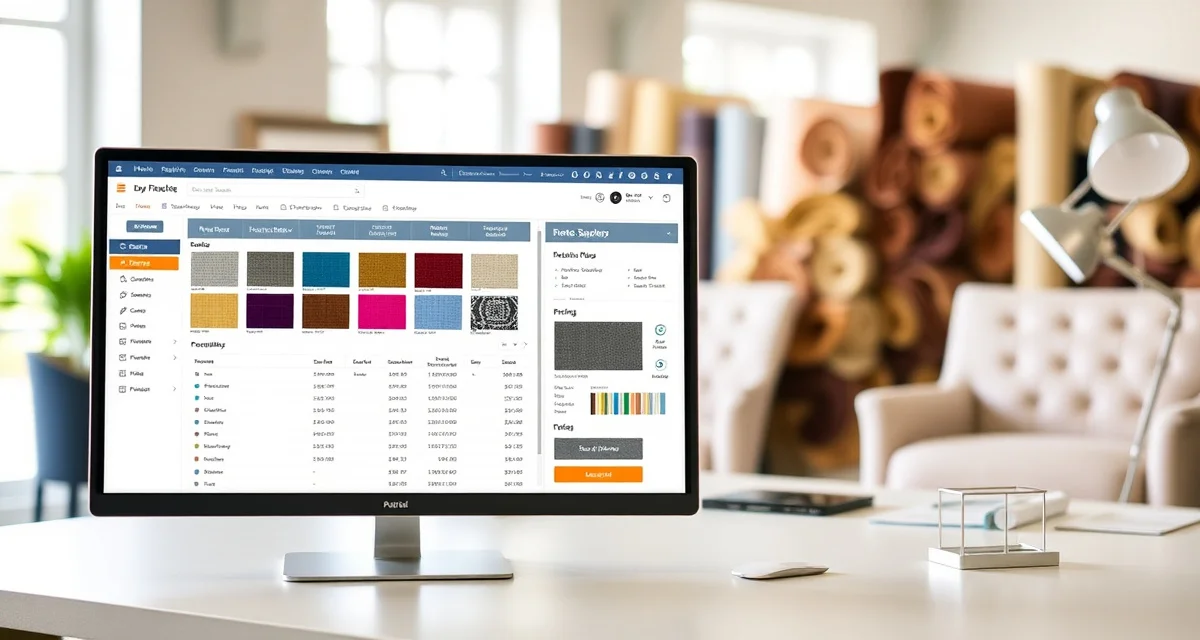
Building a Fabric Database for Your Upholstery Shop
Shops with a fabric database generate quotes 40% faster because pricing is instant rather than searched per job. When a client asks about the cost of a specific fabric on a Tuesday, the shop with a database looks up the price in 30 seconds. The shop without one searches emails, calls the supplier, or waits for Monday when the sales rep is available.
The difference in quote speed is the difference between clients who get an answer while they're still interested and clients who move on before you call back.
TL;DR
- This guide covers the specific techniques, measurements, and decisions that determine quality outcomes in upholstery work.
- Planning and preparation before cutting begins is the most reliable way to avoid costly errors on any upholstery job.
- Fabric selection, yardage calculation, and structural assessment are the three decisions that most affect the final result.
- Experienced upholsterers develop consistent workflows that ensure quality and efficiency across every job type they handle.
- Documenting job details, material specifications, and client approvals protects both the shop and the client.
- The right tools, materials, and techniques for each job type make a measurable difference in quality and profitability.
What to Track for Every Fabric
A complete fabric database record needs six fields:
1. Fabric name and SKU: The exact name and product number from the supplier. Not "the blue chenille", the specific SKU. SKUs don't change between conversations; colloquial names do.
2. Supplier name: Which company carries this fabric. If you source from multiple suppliers, note which ones carry it and which is your preferred source.
3. Price per yard: Your wholesale cost. Update this when the price changes (at least quarterly for active fabrics).
4. Rub count: The Wyzenbeek or Martindale double-rub count for the fabric. This is what you cite when a client asks about durability.
5. Width: 54, 60, or 118 inches, this affects yardage calculations significantly.
6. Current availability: In stock at supplier, special order, or discontinued. Update when you encounter changes.
Optional fields worth adding:
- Fabric type (velvet, performance, cotton, leather, etc.)
- Cleanability code (W, S, WS, X)
- Color family (for quick color filtering)
- Pattern repeat dimensions (for patterned fabrics)
- Notes (any handling considerations you've learned from working with it)
How to Build the Database
Start with what you have. Pull your last 20-30 fabric orders and create one record for each fabric you can identify with a name and SKU. This gives you a working database immediately without research time.
Add from samples. Go through your sample books and add records for fabrics you regularly show clients. The sample books are often the best source of SKU numbers and supplier information.
Add at ordering time. From now on, every time you order a fabric you don't already have in the database, add the record when you place the order. The ordering moment is when you have all the information in front of you.
Update at invoicing time. When supplier invoices come in showing different pricing than your records, update the database. Price drift is real, and outdated pricing means your quotes drift from your actual costs.
Spreadsheet vs Software
A spreadsheet is fine at under 100 fabrics. Google Sheets or Excel with one row per fabric and the six fields as columns is searchable, shareable, and requires no special tools.
When to upgrade to dedicated software:
- Your fabric catalog exceeds 100 fabrics and the spreadsheet becomes slow to search
- Multiple people need to access and update the database simultaneously
- You want to link fabric records directly to job records (so job quotes pull fabric pricing automatically)
The fabric inventory upholstery shop system in StitchDesk connects your fabric database to your quoting workflow, so a fabric selected during a quote pulls the current price automatically. This eliminates the lookup step entirely and prevents the quoting error that happens when you use an outdated price from memory.
Using the Database in Client Conversations
The practical value of the database appears most clearly in client conversations. When a client is sitting across from you (or on the phone) asking about options:
Without a database: "Let me get back to you on the price for that one", which often means the client has time to reconsider, get another quote, or simply cool on the project.
With a database: "The Collins linen in ivory is $38/yard. For a standard sofa it would take about 14 yards, so the fabric cost is around $530. That fits a [total price range] for the full job.", and the client makes a decision while engaged.
The speed of the answer signals confidence and professionalism. Clients who have to wait for prices wonder whether you know your own business.
Keeping the Database Current
A fabric database that's 6 months out of date on pricing is worse than no database, because it gives you false confidence in numbers that may be wrong.
Build two maintenance habits:
Monthly: Check prices on your top 20 most-used fabrics against current supplier invoices. Update any that have changed.
Quarterly: Review availability on fabrics you haven't ordered in 90 days. Fabrics get discontinued; checking occasionally prevents quoting a fabric you can no longer source.
See the upholstery shop management guide for how to integrate fabric database maintenance into your regular shop operations cadence.
FAQ
How do I organize fabric information for my upholstery shop?
Create a fabric database with one record per fabric, tracking at minimum: fabric name and SKU, supplier, price per yard, rub count, width, and current availability. Start by pulling records from your last 20-30 orders and your sample books. Add new records at ordering time. Update prices at invoicing time. A Google Sheet or Excel spreadsheet works well for shops with under 100 fabrics. Dedicated software becomes worthwhile when you exceed that number or need multiple people to access and update records simultaneously.
How do I build a fabric database?
Start with what you already have: pull records from recent orders and sample books to create your initial dataset. Then build the add-at-ordering habit, whenever you order a fabric not already in the database, add it when you place the order. Maintain it with monthly price checks on your top 20 fabrics and quarterly availability reviews. The initial build takes 2-4 hours. Ongoing maintenance takes 30-60 minutes per month. The payoff is quote speed that generates more closed jobs and fewer "let me get back to you" delays.
What information should I track for each upholstery fabric?
Six essential fields: fabric name and SKU (exact product number from the supplier), supplier name, price per yard (your wholesale cost), rub count, fabric width, and current availability status. Optional but valuable: fabric type, cleanability code, color family, pattern repeat dimensions, and any specific handling notes. The name and SKU together are what allow you to reorder the exact fabric without ambiguity. The price and rub count are what you cite immediately in client conversations. Width is what drives the yardage calculation. These six fields cover every decision point in a fabric selection and quoting conversation.
What are the most common mistakes to avoid in this type of work?
The most common mistakes are underestimating material requirements, starting work before the frame is fully assessed and repaired, and skipping the centering and alignment checks before cutting. Each of these is far more expensive to correct after cutting has begun than to prevent at the planning stage. Taking an extra 15-30 minutes at the assessment and planning stage pays dividends throughout the job.
How do I get the best results from a professional upholsterer?
Come to the consultation with clear measurements, photos of the piece, and an idea of the room's color scheme and intended use. Be specific about how the piece will be used: high traffic, pets, children, or outdoor exposure all affect fabric recommendations. Provide fabric samples or accept guidance on appropriate options for your use case. Approve the proof carefully and ask to see the fabric on the piece before final installation if you are uncertain about a pattern or color choice.
Sources
- National Upholstery Association
- Association of Master Upholsterers and Soft Furnishers (AMUSF)
- Upholstered Furniture Action Council (UFAC)
- Furniture Today (trade publication)
Get Started with StitchDesk
Running a successful upholstery shop means getting the details right on every job. StitchDesk gives you purpose-built tools for quoting, fabric calculation, job tracking, and client communication, all in one place designed specifically for the trade. Start a free trial and see how StitchDesk supports quality work from intake to delivery.