Chenille Upholstery Guide: Pile Compression and Pile Direction
High-pile chenille compressed at seams loses 30% seam strength compared to properly sewn chenille. That strength reduction creates the most common chenille upholstery failure: seams that hold for 2-3 years, then begin separating as the compressed pile fiber works loose from the seam join.
Chenille is among the most widely used residential upholstery fabrics. Its soft, velvety texture and warm appearance make it a consistent client request. The professional handling differences that make chenille work, pile direction, seam depth, compression prevention, are straightforward once you know them.
TL;DR
- Chenille has specific performance characteristics that make it well-suited for certain applications and less suitable for others.
- Always check the double-rub count before specifying chenille for a particular use; ratings vary widely between products.
- The cleaning code (W, S, WS, X) for chenille determines what maintenance clients can safely perform and should be communicated at delivery.
- Pattern repeat, nap direction, and fabric width all affect yardage requirements and should be verified before calculating a quote.
- COM chenille from clients should be inspected for rub count, cleaning code, and width before acceptance.
- Proper installation technique for chenille differs from standard fabric; follow manufacturer guidance for any specialty material.
What Makes Chenille Different
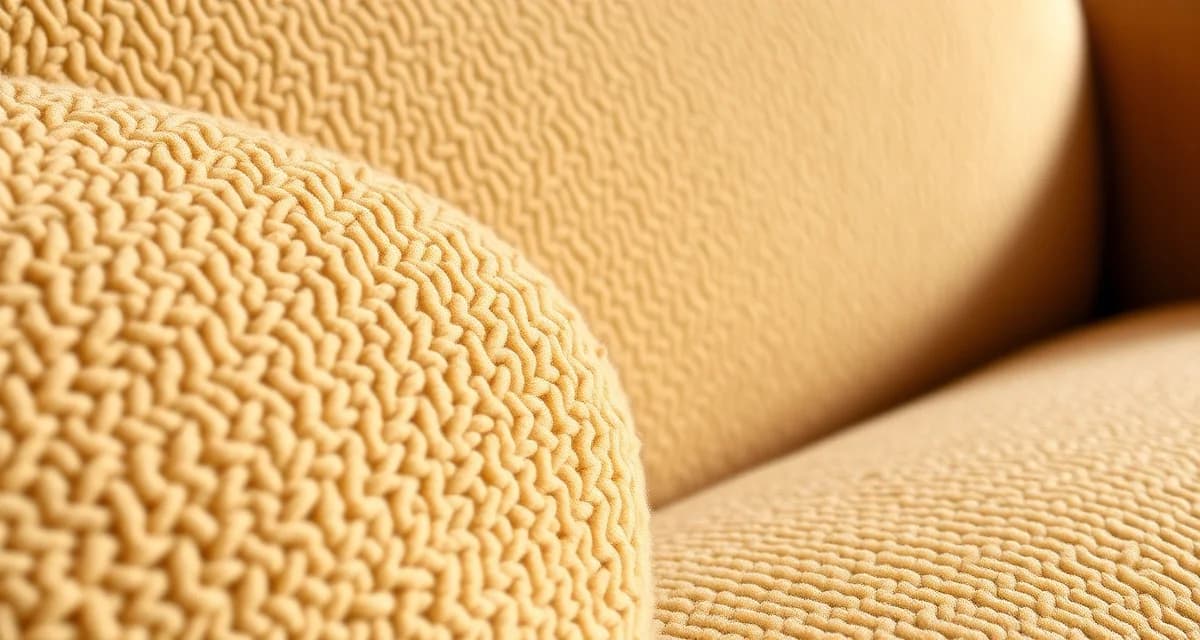
Chenille (French for "caterpillar") is constructed from a twisted yarn with pile fibers extending outward in all directions, creating the characteristic soft, fuzzy surface. Unlike cut velvet, which has a defined pile direction, chenille pile extends from the yarn rather than from a woven base, making the direction orientation different.
The pile fiber in chenille is not woven into the base structure, it's captured by the twisted core yarns. At a seam, this captured pile can compress, pull loose, or be flattened permanently by the needle or presser foot, reducing the structural integrity of the seam.
Pile Direction in Chenille
Standard chenille has a directional quality, though it's more subtle than velvet's distinct nap. Run your hand along the fabric surface in both directions: one direction feels smooth, the other slightly rougher. The smooth direction is "with the pile."
For consistency across a multi-panel job, cut all pieces so the pile runs in the same direction. The visual difference between panels cut with different pile directions is usually subtle compared to velvet, but it's visible under certain lighting conditions and at certain viewing angles.
For high-pile chenille (pile length over 4mm), the directional difference is more pronounced and must be controlled consistently.
Use the hand-stroke test on every bolt before cutting, just as you would with velvet.
Cutting Chenille
Use shears. A rotary cutter's wheel action can snag chenille pile at the cut edge, pulling pile fibers free before you've started sewing.
Mark on the reverse. Mark cutting lines on the reverse with chalk. Marking on the face disturbs the pile surface and may leave ghost marks.
Avoid over-handling cut pieces. Chenille pile at cut edges is not as secured as in-body pile. Handle cut pieces by the selvage or reverse, not by the cut edges.
Note pile direction on every piece. Mark a small arrow indicating pile direction on the reverse of each piece as you cut it. This prevents the common error of a piece getting flipped during handling and sewn in the wrong direction.
Seam Allowance for Chenille
Use ⅝ inch seam allowance for standard chenille. For high-pile chenille, use ¾ inch.
The deeper allowance serves two purposes: it keeps the seam stitch line away from the cut edge where pile is least secured, and it provides more fabric depth for the seam to hold without depending on compressed pile for strength.
Avoiding Pile Compression at Seams
The primary technique failure in chenille upholstery is compressing the pile at seam joints. When a chenille seam has pile compressed between the two fabric layers, that compressed pile is unable to support the seam structure, it acts as a shim rather than a structural element, and it gradually works loose under use stress.
Trim the pile from the seam allowance. On the seam allowance area (the width that will be folded into the seam), trim the pile back using embroidery scissors or a seam ripper drawn carefully across the surface. The backing weave should be visible without pile in the seam allowance area. This removes the pile that would otherwise compress at the seam, allowing the backing layers to bond directly.
This step adds 5-10 minutes per seam on a high-pile job. It's the difference between a seam that holds for 10 years and one that begins separating in year 3.
Reduce presser foot pressure. Standard presser foot pressure compresses pile against the feed dogs during sewing. Reduced pressure allows the pile to pass through without flattening permanently.
Walking foot: Helpful for long chenille seams. The even feed action of a walking foot prevents the fabric layers from shifting and prevents pile from being dragged to one side of the seam.
Seam Finishing
Chenille frays at cut edges, though typically less aggressively than linen or loosely woven cotton. Serge or overlock all seam allowances after sewing.
For visible seam areas, topstitching can flatten and secure the seam allowance without requiring ironing, which presents a problem with pile fabrics (see below).
Pressing Chenille
Never iron chenille pile directly. The heat and pressure of an iron permanently flattens the pile, creating a damaged area that won't recover.
For seam flattening, use a seam roller (a hand tool pressed along the seam line) or a clapper tool. Steam from above, without fabric contact, can relax a seam area before rolling.
If you're working with a press cloth, use a thick terrycloth version that allows steam through without applying direct pressure.
Durability Expectations and Client Guidance
Chenille typically tests at 15,000-30,000 double rubs depending on the specific construction. This places it in the moderate-durability category, appropriate for residential seating that sees regular but not heavy use.
Chenille is particularly susceptible to "pile shading" on seat surfaces over time: the pile in the seat area flattens with use, while the unsit pile on the back and arms remains lofted. This is a normal wear pattern, not a defect. Inform clients before delivery so they understand what to expect.
Snagging from pet claws and jewelry is a risk with chenille, as individual pile tufts can be pulled loose. Advise clients to trim any pulled pile rather than pull it, which can unravel adjacent pile.
The chenille fabric yardage calculator accounts for pile direction waste factors. See the upholstery fabric selection guide for chenille in comparison to velvet and boucle.
Related Articles
FAQ
How do I cut chenille for upholstery?
Use shears rather than a rotary cutter, rotary cutters can snag pile fibers at cut edges. Mark cutting lines on the reverse with chalk. Mark a pile direction arrow on the reverse of each piece as you cut it. Handle cut pieces by the edge backing or reverse, not by the cut face, to preserve pile integrity at the cut edge. For high-pile chenille, be particularly deliberate, the deeper pile at cut edges is more susceptible to snagging and distortion during handling.
Does chenille pile direction matter?
Yes, though the difference is more subtle than with velvet. Chenille has a directional quality, one direction feels smooth, the other slightly rougher. For visual consistency across multi-panel jobs, cut all pieces so the pile runs in the same direction. The directional difference is most visible on high-pile chenille and under raking or angled lighting. Confirm the pile direction using the hand-stroke test on every bolt before cutting. Mark the direction on the reverse of each cut piece so it can't be inadvertently flipped during handling.
What seam technique is best for chenille?
The key technique difference for chenille seams is pile removal from the seam allowance area before sewing. Use embroidery scissors to trim pile from the width of fabric that will fold into the seam. This prevents pile compression at the seam join, which reduces seam strength by approximately 30% compared to properly trimmed chenille. Use ⅝ to ¾ inch seam allowance (deeper than standard), reduce presser foot pressure, and use a walking foot for long seams. Serge all seam allowances after sewing. Never iron chenille pile directly, use steam from above and a seam roller for flattening.
How durable is this fabric for everyday residential use?
Durability depends on the specific product's double-rub count. For everyday residential use, look for a minimum of 15,000 double rubs for light use and 30,000+ for heavy residential use. Always check the manufacturer's specification rather than the fabric category alone, as durability varies significantly within any fabric type depending on construction and finishing.
How do I care for upholstery covered in this fabric?
Follow the cleaning code on the fabric label: W (water-based cleaners safe), S (solvent-based cleaners only), WS (either), or X (vacuum only). For spot cleaning, always test in an inconspicuous area first. Blot spills immediately rather than rubbing, which spreads the stain and can damage the fabric structure. Provide clients with a written care card at delivery specifying the cleaning code and any special maintenance recommendations.
What is the yardage impact of using this fabric with a pattern?
Pattern repeats add yardage proportional to the repeat size and the number of cutting zones on the piece. A 13-inch repeat adds roughly 10-20% over plain fabric on most pieces. A 27-inch repeat can add 25-35% or more depending on the piece type and number of cushions. Calculate yardage zone by zone for any patterned fabric rather than applying a generic percentage buffer.
Sources
- National Upholstery Association
- Association of Master Upholsterers and Soft Furnishers (AMUSF)
- Upholstered Furniture Action Council (UFAC)
- Furniture Today (trade publication)
Get Started with StitchDesk
Helping clients choose the right fabric is a core part of the job, and having accurate yardage calculations and fabric records at hand makes those conversations faster and more confident. StitchDesk keeps fabric data, yardage calculations, and client records in one place so you spend less time on paperwork and more time on the work itself. Try StitchDesk free.