Wicker and Rattan Furniture Cushion Yardage: Outdoor and Indoor
Wicker and rattan furniture cushion work is one of those job categories that looks simple but regularly trips up yardage calculations. The problem is almost always the seat shape. Standard dining chair seats are rectangular. Wicker seats often aren't, they're D-shaped, round, or irregularly shaped to fit the wicker frame. When you lay a D-shaped cushion on a rectangular fabric grid, you're automatically adding cutting waste that your standard cushion calculator doesn't account for.
Measuring a D-shaped wicker seat cushion to a 54-inch grid adds about 20 percent waste compared to a rectangular cushion of similar overall dimensions.
TL;DR
- For Wicker Cushions yardage depends on fabric width, construction details, pattern repeat, and nap direction.
- Plain 54-inch fabric requires a baseline calculation plus 10-15% waste allowance for a standard for wicker cushions job.
- Patterned fabric adds 20-35% to base yardage depending on repeat size and the number of cutting zones that must align.
- Directional fabrics add 15-25% over plain fabric because layout optimization is restricted by nap direction.
- Always verify fabric width before finalizing yardage; COM fabric often comes in non-standard widths.
- Calculating yardage at the quote stage, not mid-job, eliminates reorders and protects your profit margin.
Understanding Wicker Seat Shapes
Most wicker and rattan chairs fall into a few seat shape categories:
Rectangular: The simplest to calculate. Same as any dining chair seat, just measure length and width and proceed with standard cushion math.
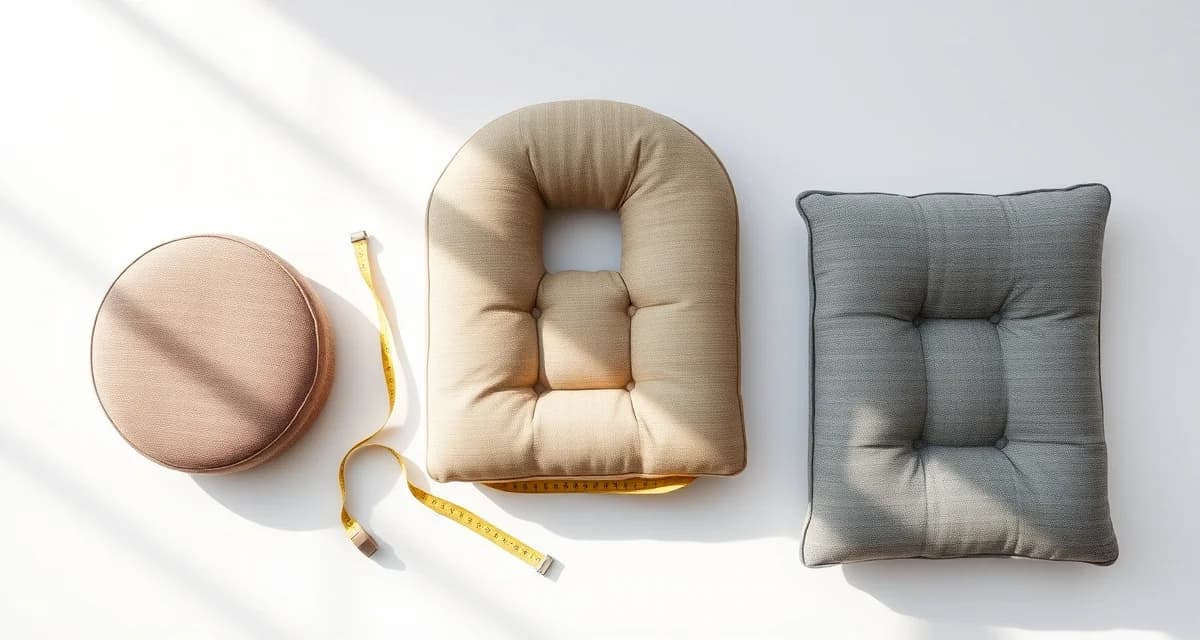
D-shaped (semi-circular front): The most common wicker seat shape. The back edge is straight but the front curves. To cut a D-shape, you need a rectangular piece of fabric large enough to accommodate both the straight depth at the sides and the maximum width at the curved front. The corner areas become waste.
Round (full circle): Common on papasan-style wicker and some bistro chairs. Cutting a round cushion from fabric means notable corner waste in every direction. The yardage for a round cushion is based on the diameter squared, not just the half-circle area.
Irregular: Some barrel-shaped or flowing wicker designs have seat shapes that don't fit neatly into any category. These require careful individual measurement and pattern-making.
Yardage Calculation by Seat Shape
D-shaped seat, 20 x 20 inches (approximate bounding rectangle):
- Fabric piece needed: 21 x 21 inches (with seam allowance)
- Usable area: about 70 to 75 percent of the bounding rectangle
- Per cushion in 54-inch fabric: 0.6 to 0.7 yards (the same as a rectangular cushion that size, because you need the full bounding rectangle even though you use less of it)
Round seat, 20-inch diameter:
- Fabric piece needed: 21 x 21 inches (diameter x diameter)
- Usable area: about 78 percent of the bounding rectangle (pi x r squared ratio)
- Per cushion in 54-inch fabric: 0.6 to 0.7 yards
D-shaped seat with 4-inch boxing (outdoor-style thick cushion):
- Top and bottom panels: 0.7 yards
- Boxing strip (around the curved front and sides): 0.4 to 0.5 yards
- Total per cushion: 1.1 to 1.2 yards
Outdoor wicker cushions are often thick, 4 to 5 inches, because they're designed for the depth of outdoor furniture pads. This boxing strip depth adds notable yardage compared to a thin knife-edge indoor cushion.
Indoor vs. Outdoor Wicker Cushions
Indoor wicker: Often a knife-edge cushion, 1 to 2 inches deep, fabric is decorative. Usually a thinner yardage calculation per cushion. Interior linen, cotton, or performance fabric in moderate-traffic options.
Outdoor wicker: Box cushion, 3 to 5 inches deep, thick boxing strip. Often ties to the chair frame for wind security (add small fabric pieces for tie loops). Outdoor performance fabric, solution-dyed acrylic is the standard recommendation for anything that will see sun and rain.
The outdoor cushion boxing strip is where most of the yardage difference comes from. A 4-inch outdoor boxing on a D-shaped seat uses approximately 0.45 yards for the boxing strip alone. The knife-edge indoor version of the same cushion has no boxing strip at all.
Calculating a Wicker Cushion Set
Sets of 4, 6, or 8 wicker dining chairs are common. When calculating fabric for the full set, account for:
- Per-cushion yardage (based on shape and depth)
- Pattern repeat if using a patterned outdoor fabric (wicker sets with florals are popular, repeat waste multiplies across the set)
- Tie loops if included
For a 6-chair wicker set with outdoor D-shaped box cushions in solid fabric:
- 6 cushions x 1.2 yards each = 7.2 yards
- Add 5 to 10 percent buffer = 7.5 to 8 yards total
For the same set in a 9-inch pattern repeat fabric:
- Base: 7.2 yards
- Pattern waste across 6 cuts: roughly 1.5 yards additional
- Total: approximately 8.5 to 9 yards
The outdoor furniture fabric yardage calculator handles non-rectangular wicker seat shapes and calculates both knife-edge and box cushion yardage for the full set.
Frequently Asked Questions
How much fabric for wicker furniture cushions?
A single D-shaped wicker seat cushion (knife-edge, indoor) needs approximately 0.5 to 0.7 yards of fabric. An outdoor box cushion for the same seat shape, 4 inches deep, needs 1 to 1.25 yards. A full set of 6 wicker chairs with outdoor cushions in solid fabric typically requires 7 to 8 yards, plus more for any pattern matching.
What fabric is best for outdoor wicker cushions?
Solution-dyed acrylic is the standard recommendation for outdoor wicker cushions. Sunbrella is the most commonly specified brand. It's moisture-resistant, UV-stable for 5 or more years, and cleans easily. Avoid piece-dyed outdoor fabric, it fades within 1 to 2 seasons. For indoor wicker cushions, standard upholstery fabric is appropriate, with performance fabric recommended if the chairs will see heavy use.
How do I measure a D-shaped wicker seat cushion?
Measure the maximum width (left to right at the widest point), the maximum depth (front to back at the center), and the seat depth at the sides where it's narrower. If you're making a boxed cushion, also measure the desired finished height. These four dimensions let you calculate the bounding rectangle for the fabric cut, which is what determines your yardage.
What is the biggest factor in yardage variation for this piece?
Pattern repeat is the biggest source of yardage variation. On plain fabric, the baseline calculation plus a 10-15% waste buffer is usually sufficient. Add a 13-inch pattern repeat and you may need 15-20% more. Add a 27-inch pattern repeat and the additional yardage can be 25-35% over the plain fabric calculation. Nap direction is the second-largest factor, typically adding 15-25% over plain fabric because layout optimization is restricted.
What should I do if I run short on fabric mid-job?
Stop cutting immediately when you realize you may run short. Calculate exactly how much additional fabric you need before contacting the supplier or client. If reordering from the same dye lot is possible, do so as quickly as possible because dye lots change. If a dye lot match is not available, contact the client before proceeding; visible dye lot differences on the same piece are unacceptable and must be disclosed. Document the situation and response in writing.
Sources
- National Upholstery Association
- Association of Master Upholsterers and Soft Furnishers (AMUSF)
- Upholstered Furniture Action Council (UFAC)
- Furniture Today (trade publication)
Get Started with StitchDesk
Getting yardage right on yardage for wicker cushions jobs is the difference between a profitable quote and an expensive reorder. StitchDesk's fabric calculator accounts for all the variables that cause errors: pattern repeat by zone, nap direction, fabric width, and cushion configuration. Start a free trial and see how accurate yardage calculation affects your bottom line.