What Is Reupholstery? A Plain-English Explanation
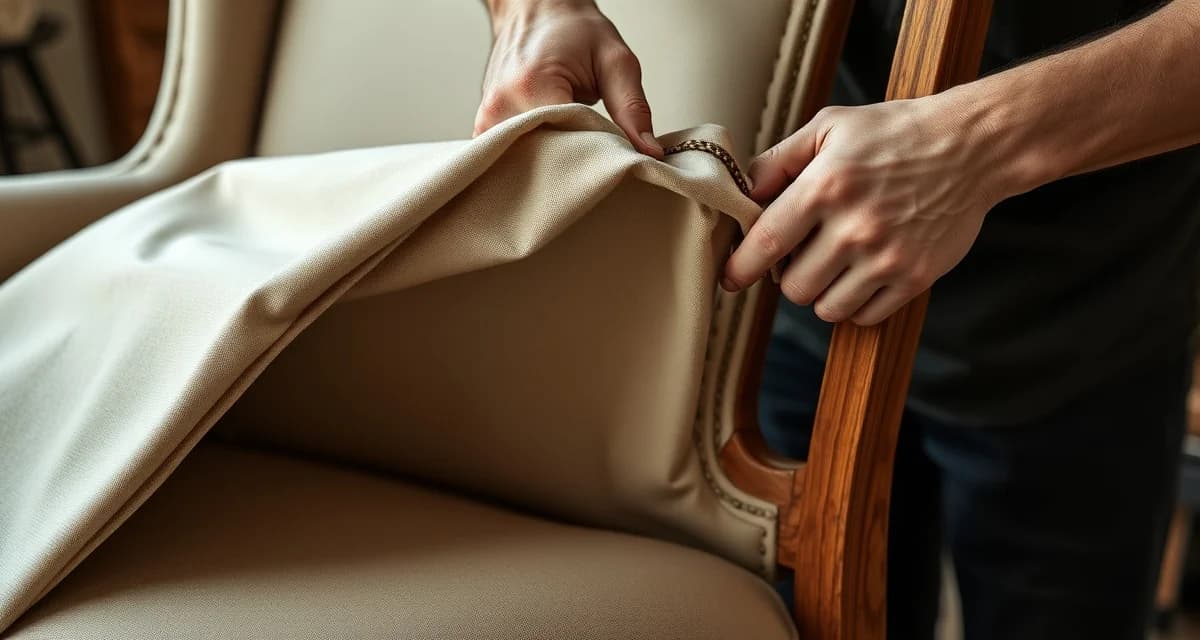
Reupholstery is the process of replacing the fabric, padding, and sometimes the cushion foam on a piece of furniture while keeping the underlying frame. The structure of the chair or sofa stays. Everything on the outside, the fabric, the batting, the welting, gets stripped off and replaced. The result is a piece that looks new but keeps the bones of the original.
Clients who understand reupholstery before calling have 50% fewer scope surprises, which means fewer callbacks and disputes. Here's what the process actually involves.
TL;DR
- Direct answers to common upholstery questions help clients make informed decisions before contacting a shop.
- Reupholstery pricing requires specific information about furniture type, fabric choice, and frame condition to be accurate.
- Getting multiple local quotes is the most reliable way to determine what a specific job costs in your market.
- Reupholstery is typically worth considering when the frame is solid, the piece has design or sentimental value, and cost is under 60% of equivalent new furniture.
- Professional upholsterers can assess whether a piece is worth reupholstering at an initial consultation, often at no charge.
- Fabric choice has the biggest single impact on both cost and longevity of reupholstery work.
What Reupholstery Includes
A full reupholstery job typically covers:
- Fabric removal: Stripping all existing fabric, webbing, and trim down to the frame
- Frame inspection: Checking joints, springs, and structural integrity before new material goes on
- Padding and batting replacement: New foam and batting layered over the frame to restore the original shape (or improve on it)
- Cutting and sewing: The new fabric is cut to pattern and sewn into panels sized for the specific piece
- Installation: Panels are fitted, stretched, and stapled or tacked to the frame with professional tension
- Finishing details: Welt cord, nailhead trim, and decorative elements are added last
A partial reupholstery (seat-only on a dining chair, for example) covers only the specified area and leaves the rest intact.
What Can Be Reupholstered
Almost any upholstered furniture with a solid frame can be reupholstered:
- Sofas and loveseats (all styles)
- Chairs: dining, wing, club, barrel, recliner, rocker
- Sectional sofas (any configuration)
- Headboards
- Ottomans and benches
- Booth seating and banquettes
- Outdoor cushions and patio furniture (with appropriate materials)
What Can't Be Reupholstered (or Isn't Worth It)
Some pieces aren't suitable for reupholstery:
- Particle board frames: The material can't hold staples long-term and will degrade with age
- Structurally failed frames: Cracked rails, broken joints, or collapsed spring systems that would cost more to repair than replace
- Very cheap mass-market furniture: When the original piece cost $150-200, reupholstery at $300+ doesn't make economic sense
- Highly customized or unusual construction: Some modern furniture is built in ways that make disassembly difficult or impossible without destroying the piece
What to Expect When You Call a Shop
A professional upholstery shop will typically want to see the piece before quoting. They're evaluating:
- Frame quality (is it worth covering?)
- Spring and padding condition (what needs replacement?)
- Size and style (how many yards of fabric, how many labor hours?)
- Your fabric choice (what's available, what works for this piece?)
The quote should include fabric cost, labor, any foam or padding replacement, and any special techniques like tufting or nailhead trim. Get the quote in writing with a lead time estimate before leaving the piece.
For what reupholstery costs, see how much does reupholstery cost. For whether a specific piece is worth reupholstering, see is it worth reupholstering furniture.
Frequently Asked Questions
What does reupholstery mean?
Reupholstery means replacing the fabric, padding, and surface materials on a piece of furniture while keeping the original frame. The process strips everything off the structure down to the bare wood or metal frame, inspects and repairs what needs it, then builds the piece back up with new foam, batting, and fabric. The result is a piece that looks entirely new but uses the original frame, which is often more durable than modern replacements.
What furniture can be reupholstered?
Most upholstered furniture with a solid frame can be reupholstered: sofas, loveseats, chairs of all types, sectionals, ottomans, benches, headboards, and outdoor cushions. The key requirement is a structural frame that's worth covering, solid hardwood construction in good condition. Furniture with particle board frames, collapsed spring systems, or major structural damage may not be worth the labor and material investment.
How long does reupholstery take?
A dining chair takes 45-90 minutes of labor. A sofa takes 12-20 hours. A sectional takes 30-50 hours. Total job duration from drop-off to pickup is longer than the labor time alone, because it includes the shop's current queue and time for fabric to arrive if it needs to be ordered. A realistic timeline is 2-4 weeks for most residential jobs. Ask the shop for a specific estimated completion date when you approve the quote.
How do I find a reputable upholstery shop near me?
Search Google for upholstery shops in your area and check their Google reviews and photo portfolio. Before-and-after photos are the most reliable indicator of quality. Ask for recommendations from interior designers, furniture stores, or neighbors who have had reupholstery work done. Look for shops that have been in business for several years with a consistent portfolio. Get quotes from at least two or three shops before deciding.
Sources
- National Upholstery Association
- Association of Master Upholsterers and Soft Furnishers (AMUSF)
- Upholstered Furniture Action Council (UFAC)
- Furniture Today (trade publication)
Get Started with StitchDesk
Whether you are a client researching reupholstery options or an upholsterer looking for better tools, StitchDesk was built for the specific needs of furniture upholstery shops. From fabric calculation to client communication, StitchDesk handles the operational details that determine quality and profitability. Start a free trial and see the difference purpose-built software makes.