Boucle Fabric Yardage Calculator: Loop Texture and Seam Allowance
Boucle's loopy texture frays 40% more than flat weaves. That's not a small margin: it means the seam allowance rules that work for woven fabric don't apply to boucle, and any calculator that doesn't know that will leave you short.
The boucle fabric yardage calculator for upholstery accounts for two things that matter: seam allowance width based on loop size, and directional consistency across cut pieces. Boucle is trending right now, and legacy software like older industry tools has never been updated to account for it as a distinct material category.
TL;DR
- Accurate yardage calculation for boucle fabric jobs prevents costly fabric shortfalls and over-ordering that erode margin.
- Pattern repeats are the most common source of yardage errors; always calculate each cutting zone separately, not as a flat percentage.
- Nap-direction fabrics (velvet, chenille, mohair) require 15-25% more yardage than the same job in plain fabric.
- Fabric width significantly affects yardage: the difference between 54-inch and 60-inch fabric can be 1-2 yards on the same piece.
- Always add a 10-15% buffer on plain fabric and 15-20% on patterned fabric to account for cutting waste.
- Entering measurements accurately at the quoting stage eliminates the need to reorder mid-job.
What Makes Boucle Different
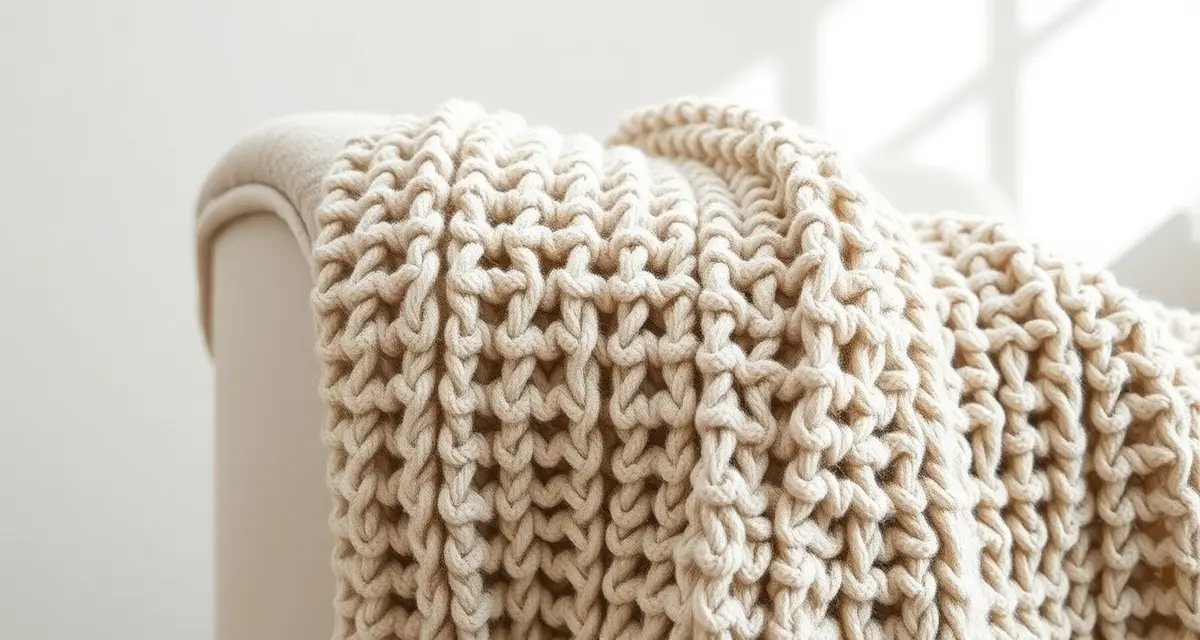
Boucle (French for "curled" or "buckled") is a fabric made with looped or curled yarn that creates a bumpy, textured surface. It's having a real moment in interior design: you'll see it on contemporary accent chairs, sofas, and ottomans in high-end furnishings right now.
But boucle is a challenge to upholster well. The loops are inherently unstable at cut edges. When you cut boucle, the loops near the cut edge can unravel or distort, particularly on loose or chunky boucle weaves. This is the source of the 40% higher fray rate compared to flat weaves.
The texture-width selector in a proper boucle yardage calculator adjusts seam allowance for tight boucle vs loose chunky boucle loops. A tight, close-looped boucle behaves closer to a flat weave. A chunky, open-looped boucle needs considerably more seam allowance.
Seam Allowance Rules for Boucle
| Boucle Type | Loop Size | Recommended Seam Allowance |
|---|---|---|
| Tight/fine boucle | Small, dense loops | 1/2 inch |
| Standard boucle | Medium loops | 5/8 inch |
| Chunky/loose boucle | Large, open loops | 3/4 inch |
Standard upholstery seam allowance is 3/8 inch. For boucle, you're looking at 1/2 to 3/4 inch. On a sofa with dozens of seams, that difference adds up to approximately 1-1.5 yards of extra fabric needed across the job.
If you skip the wider seam allowance on chunky boucle, the loops at the seam edge will unravel over time. On a sofa that a client uses daily, loop unraveling at seams becomes visible within 6-12 months. That's a callback, and worse, it's a remake.
Does Boucle Have a Direction?
This is less straightforward than velvet or chenille. Most boucle fabrics don't have a strong directional nap the way pile fabrics do. But the loop structure can have a subtle directional quality, looking slightly different in different orientations when viewed in raking light.
The safe approach: treat boucle as directional and cut all pieces in the same orientation. It costs you 5-8% in additional waste compared to a non-directional cutting approach, but it eliminates any risk of panels shading differently on the finished piece.
For the current crop of designer boucle fabrics, especially the ivory, cream, and oatmeal colorways that are everywhere right now, subtle shading differences between panels are very visible on light-colored fabric. Don't take the risk.
Boucle Yardage Calculation Method
Step 1: Identify boucle type (tight, standard, or chunky) and set seam allowance accordingly.
Step 2: Calculate base yardage for the furniture piece.
Step 3: Apply boucle waste factor:
- Tight boucle: 14-16%
- Standard boucle: 18-20%
- Chunky boucle: 22-25%
Step 4: Add 5-8% directional consistency waste.
Step 5: Total and round up to nearest half yard.
For a sofa that would need 13 yards in a flat woven fabric, standard boucle needs approximately:
- 13 × 1.20 (waste) = 15.6 yards
- +6% directional: 15.6 × 1.06 = 16.5 yards
- Order: 16.5 yards minimum
Working With Boucle in the Shop
A few practical notes that affect yardage planning:
Serging cut edges: On chunky boucle, serge or overlock every cut edge immediately after cutting before the loops have a chance to unravel. Don't cut and stack pieces: cut and serge in sequence.
Needle choice: Use a heavy ballpoint needle for boucle to push through the loops rather than splitting the yarn. Standard sharp needles shred boucle yarn at the stitch point.
Test seam first: Always sew a test seam on boucle scraps before committing to the full piece. Adjust tension and stitch length until the seam is flat without distorting the surrounding loops.
The boucle upholstery guide covers the full construction workflow for boucle pieces. For yardage calculations across all fabric types, use the fabric yardage calculator with boucle selected as the material type.
FAQ
How much boucle fabric do I need to reupholster a sofa?
A standard 3-cushion sofa needs approximately 16-18 yards of standard boucle fabric at 54-inch width. Chunky or loose-loop boucle needs 18-21 yards due to wider seam allowances and higher fraying waste. These figures include a 5-8% directional consistency buffer. Don't use standard upholstery fabric yardage estimates for boucle: the seam allowance difference alone adds 1-1.5 yards to a sofa job.
Does boucle fabric have a direction?
Most boucle doesn't have a strong directional nap like velvet or chenille, but the looped texture can look slightly different when viewed in different orientations under raking light. The safe practice is to cut all boucle pieces in the same orientation regardless. This adds 5-8% to your yardage but prevents the risk of panels shading differently on the finished piece, which is particularly visible on light-colored boucle fabrics.
Why does boucle require wider seam allowances?
Boucle's looped yarn structure frays and unravels at cut edges considerably more than flat-woven fabrics. Standard 3/8-inch seam allowances don't provide enough margin for the loops near the cut edge to be securely stitched: they'll gradually unravel with use. Depending on the boucle type, you need 1/2 to 3/4 inch seam allowances. This wider margin is what accounts for the additional yardage compared to flat fabric on the same furniture piece.
Should I add a buffer to calculated yardage?
Yes. A 10-15% buffer is standard on plain fabric to account for cutting waste and minor errors. On patterned fabric, use 15-20% above the pattern-adjusted calculation. For COM fabric that cannot be reordered if you run short, some upholsterers increase the buffer to 20-25%. The cost of a modest buffer is far lower than the cost of sourcing additional fabric after cutting has begun.
Sources
- National Upholstery Association
- Association of Master Upholsterers and Soft Furnishers (AMUSF)
- Upholstered Furniture Action Council (UFAC)
- Furniture Today (trade publication)
Get Started with StitchDesk
Getting yardage right on boucle jobs is the difference between a profitable quote and an expensive reorder. StitchDesk's fabric calculator accounts for all the variables that cause errors: pattern repeat by zone, nap direction, fabric width, and cushion configuration. Start a free trial and see how accurate yardage calculation affects your bottom line.