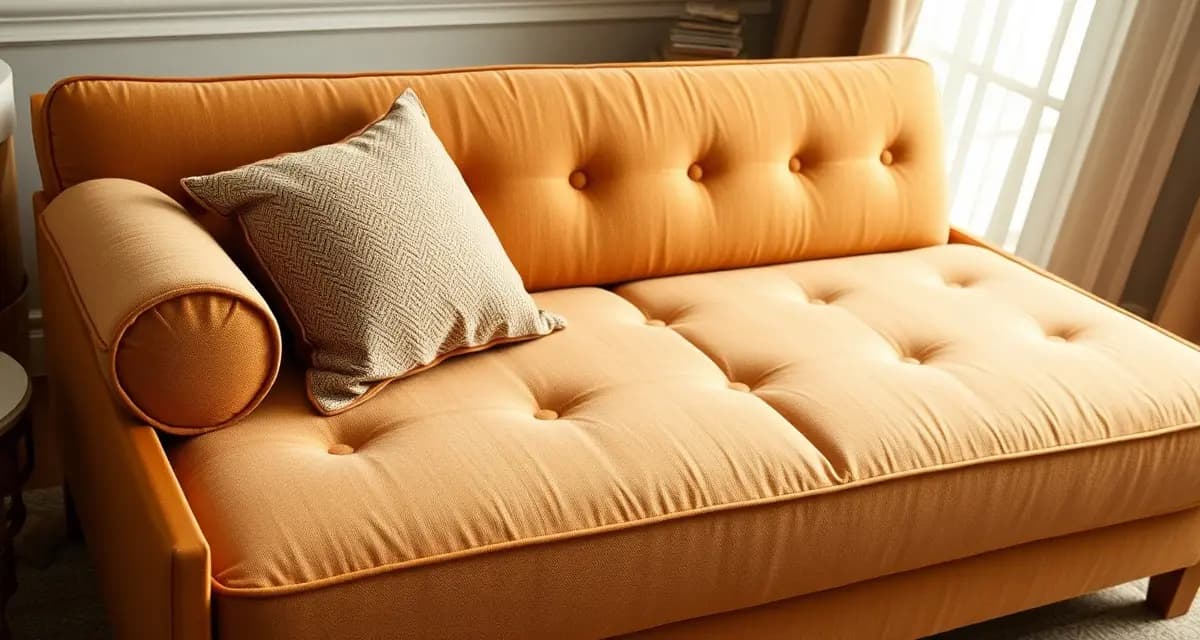
Fabric Yardage Calculator for Daybeds: Full Coverage Simplified
Daybeds have 4–6 distinct fabric zones. Shops that calculate each separately miss seam allowance interactions between zones, and the people who estimate the whole thing as "sort of like a sofa" end up short on the bolster fabric because bolsters are an afterthought in that mental model.
A daybed is a twin-sized mattress platform, usually with a back rail and two end rails (called bolsters), sometimes with cushions on the back rail. Each component has its own cutting geometry. Calculating them as a connected system, not four independent guesses, is what produces an accurate order.
TL;DR
- Accurate yardage calculation for daybed jobs prevents costly fabric shortfalls and over-ordering that erode margin.
- Pattern repeats are the most common source of yardage errors; always calculate each cutting zone separately, not as a flat percentage.
- Nap-direction fabrics (velvet, chenille, mohair) require 15-25% more yardage than the same job in plain fabric.
- Fabric width significantly affects yardage: the difference between 54-inch and 60-inch fabric can be 1-2 yards on the same piece.
- Always add a 10-15% buffer on plain fabric and 15-20% on patterned fabric to account for cutting waste.
- Entering measurements accurately at the quoting stage eliminates the need to reorder mid-job.
The Six Zones of a Typical Daybed
Mattress cover: Top panel plus boxing strip. A standard twin mattress cover at 38 x 75 inches with a 4-inch boxing: 2.5–3 yards of 54-inch fabric.
Back bolster (long bolster, runs the length of the daybed): A cylindrical or rectangular bolster at 75 inches long, 8–10 inches in diameter. Needs two end caps and a continuous body panel. 1.5–2 yards.
Side bolsters (end bolsters, one at each end of the daybed): These are typically shorter, 18–24 inches long at the same diameter as the back bolster. Two of them: 1–1.5 yards combined.
Back rail cover: Some daybeds have a separate padded back rail panel above the mattress. This is often a fitted panel, not a removable cushion. 0.75–1 yard.
Cushion covers for back cushions: On daybeds designed with sofa-style back cushions rather than a rail, you have 2–3 separate cushion covers. 1–1.5 yards per cushion.
Arm panel covers: The end structures of the daybed frame, if upholstered. 0.5–1 yard per end.
Total for a fully upholstered daybed in plain fabric: 7–10 yards depending on configuration. That range is wide enough that it matters which components you're actually doing.
Why Separate Calculations Miss Seam Allowance Interactions
When you calculate bolsters separately from the mattress cover, you lose the optimization opportunity in how they cut from the same bolt. The mattress cover main panel runs 38 x 75 inches, but there's usable material at the margins that can cut bolster body panels if you plan the layout correctly.
When the calculator handles all zones together, it can show you the combined cutting layout. That means a 7-zone daybed might cut from 8.5 yards with a joint layout instead of 9.5 yards with separate orders for each piece. That's a meaningful saving on fabric cost that goes straight to margin.
Bolster Yardage Specifically
Bolsters get underestimated because people think of them as just a cylinder. But the fabric for a bolster has to wrap seamlessly with the zipper or tuck in the right place, the end caps have to be cut as circles (which wastes corners), and if the fabric has a nap or directional pattern, the body panel has to run consistently.
For a 75-inch bolster at 9-inch diameter:
- Circumference of the bolster body: ~28 inches
- Body panel dimensions: 28 x 75 inches = roughly 1 yard of 54-inch fabric
- Two end cap circles at 9-inch diameter: each circle wastes about a 10-inch square of fabric, and you need 2 of them
- Total for back bolster: 1.5–1.75 yards
For the two side bolsters at 20 inches long, same diameter: 0.75–1 yard combined.
The calculator handles the bolster geometry, cylinder body, circular end caps, which is something a generic furniture calculator doesn't touch.
Pattern on Daybeds
Daybeds are often done in performance fabrics, outdoor fabrics, or simple solids, so pattern repeat is less common than on traditional sofas. But when a client wants a large floral or a bold stripe on a daybed used as a sofa in a sitting room, the pattern management is significant.
On a stripe, the bolsters are particularly visible. The stripe needs to run consistently on the bolster body, and it needs to read in the same direction as the mattress cover. If the stripe runs horizontally on the mattress cover and the bolsters are oriented differently, it's visually obvious.
The calculator asks about pattern direction and how it should orient on each component. That's the kind of question you should be asking before you start cutting, not while you're mid-job.
How to Use the Calculator
- Select "Daybed" from the furniture type menu.
- Check the components you're actually doing (not all daybeds need all six zones, some are just mattress covers and bolsters).
- Enter mattress dimensions.
- Enter bolster count, length, and diameter for each.
- Add back rail cushion dimensions if applicable.
- Input fabric width.
- Add pattern repeat and direction if applicable.
- Toggle nap direction for directional fabrics.
- Review the joint cutting layout output, check if rearranging component order saves yardage.
- Use total yardage in your quote.
Jobber vs. StitchDesk for Daybed Jobs
Jobber is priced comparably to StitchDesk ($149–249/month) but has zero yardage math built in. It's field service management software designed for plumbing, HVAC, landscaping. The job ticketing works fine. The fabric calculation doesn't exist. You'd calculate yardage manually or with a separate tool, then enter the number into Jobber. That's an extra step and an extra place for errors.
StitchDesk calculates the yardage and feeds it directly into the job ticket and quote. One entry point, one workflow.
Related Articles
FAQ
How many yards of fabric does a daybed need?
A standard twin-size daybed with mattress cover, one back bolster, and two end bolsters in plain fabric needs 7–9 yards of 54-inch fabric. Add another 1–1.5 yards per back cushion if the daybed has sofa-style cushions. A daybed with all components, mattress cover, back bolsters, end bolsters, back rail cover, and arm panels, can reach 10–12 yards depending on dimensions and fabric choice.
How do I calculate fabric for daybed bolsters?
Calculate bolsters in two parts: the body panel and the end caps. The body panel wraps the circumference of the bolster (measure the circumference, not the diameter). Add 1-inch seam allowance. The end caps are circles, calculate the diameter and add 1-inch seam allowance for sewing. Two end cap circles waste the rectangular corners of the fabric, so add approximately 20–25% to the end cap calculation for cutting waste. Use the full bolster yardage output from the calculator rather than trying to do this by hand, especially for multiple bolsters.
What fabric works best for a daybed?
Performance fabrics, Crypton, Sunbrella (for outdoor daybeds), Sunbrella-weight indoor fabric, and high-rub-count plain weaves, are the most practical choices for a daybed used as seating. Daybeds see more friction than headboards or decorative chairs because people actually sit and lie on them. Look for fabrics rated above 30,000 double rubs for residential use. For a daybed in a child's room or high-traffic area, aim for 50,000+ double rubs and stain resistance. Velvet and lighter silks are beautiful but will show wear quickly on a used daybed.
Should I add a buffer to calculated yardage?
Yes. A 10-15% buffer is standard on plain fabric to account for cutting waste and minor errors. On patterned fabric, use 15-20% above the pattern-adjusted calculation. For COM fabric that cannot be reordered if you run short, some upholsterers increase the buffer to 20-25%. The cost of a modest buffer is far lower than the cost of sourcing additional fabric after cutting has begun.
Sources
- National Upholstery Association
- Association of Master Upholsterers and Soft Furnishers (AMUSF)
- Upholstered Furniture Action Council (UFAC)
- Furniture Today (trade publication)
Get Started with StitchDesk
Getting yardage right on daybed jobs is the difference between a profitable quote and an expensive reorder. StitchDesk's fabric calculator accounts for all the variables that cause errors: pattern repeat by zone, nap direction, fabric width, and cushion configuration. Start a free trial and see how accurate yardage calculation affects your bottom line.