Trending Upholstery Fabrics in 2025: Boucle Chenille and Performance
Boucle requests increased 180% year over year, shops that don't stock it lose jobs to shops that do. In 2025, client fabric requests are driven by a specific set of looks that have crossed from interior design publications into mainstream consumer awareness. Knowing which trends are here to stay (and which are fading) helps you stock the right samples and win jobs you'd otherwise lose.
TL;DR
- This guide covers the specific techniques, measurements, and decisions that determine quality outcomes in upholstery work.
- Planning and preparation before cutting begins is the most reliable way to avoid costly errors on any upholstery job.
- Fabric selection, yardage calculation, and structural assessment are the three decisions that most affect the final result.
- Experienced upholsterers develop consistent workflows that ensure quality and efficiency across every job type they handle.
- Documenting job details, material specifications, and client approvals protects both the shop and the client.
- The right tools, materials, and techniques for each job type make a measurable difference in quality and profitability.
The 2025 Trend Landscape
The dominant direction in 2025 is toward textural richness combined with practical performance. Clients want fabrics that look luxurious and tactile in photographs but hold up to daily use. This has driven the growth of performance versions of traditionally delicate fabrics, performance velvet, performance bouclé, and textured outdoor-grade fabrics being used indoors.
Trending Fabric 1: Bouclé
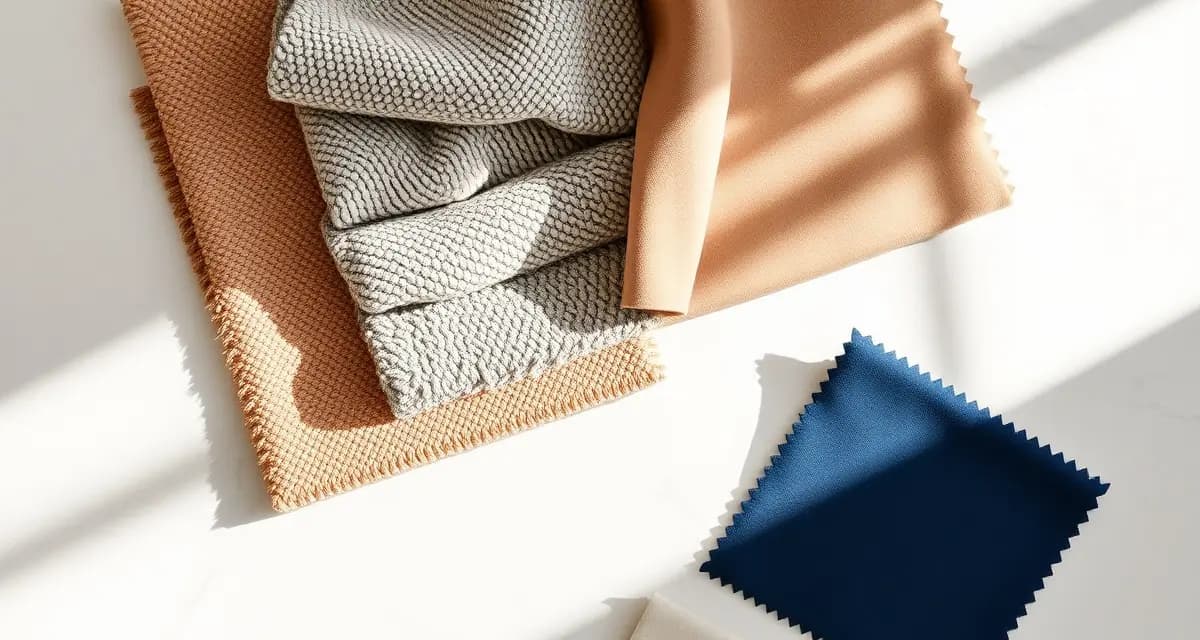
Bouclé is the dominant fabric trend of 2023-2025 and shows no sign of slowing. The looped, textured yarn creates a visually soft and tactile surface that photographs beautifully and photographs well in the social media contexts that drive consumer furniture decisions.
What clients want: Natural-looking bouclé in cream, oatmeal, warm white, and soft neutrals. The aesthetic is warm minimalism, simple shapes with textural fabric.
What shops need to know: Standard bouclé is not durable. The loops snag on cat claws, the structure is open enough for hair to embed, and it's not cleanable. The trend for practical interiors has pushed suppliers to develop performance bouclé, tighter construction with performance backing, that provides the look with better durability.
Stock recommendation: 2-3 colorways of a quality performance bouclé in neutral shades. Oatmeal, cream, and a warm gray cover the vast majority of client requests.
Passing or staying: Staying. The look is embedded enough in mainstream design that bouclé demand will persist through 2026-2027.
Trending Fabric 2: Chunky Chenille
Chunky, high-pile chenille in warm earth tones (rust, terracotta, warm camel, deep olive) is seeing strong request volume. The texture is softer and less structured than bouclé but shares the same tactile appeal.
What clients want: Warm-toned colors with visible pile variation. The aesthetic is casual, warm, and lived-in, not formal.
What shops need to know: Chenille wears in a specific way, the pile eventually lays flat in high-use areas (like where people sit), which creates visible wear patterns faster than flat woven fabrics. Advise clients that high-use applications need higher-grade chenille (tighter, denser weave) to maintain the look longer.
Stock recommendation: 1-2 colorways in terracotta/rust and warm neutral. These are the highest-request color families.
Passing or staying: The peak is 2023-2025; likely to moderate but remain present through 2026.
Trending Fabric 3: Performance Velvet
Traditional velvet requests have always been present in upholstery. What's new in 2025 is the mainstream adoption of performance velvet, polyester velvet with a performance backing that allows cleaning, resists pile crushing, and releases hair more easily than natural velvet.
What clients want: Jewel tones (deep teal, forest green, sapphire blue, burgundy) and warm neutrals in a velvet texture. The color saturation that velvet provides in these deep tones is impossible to replicate with flat woven fabric.
What shops need to know: Performance velvet is easier to work with than cotton or silk velvet. It's more forgiving in installation, more resistant to marking, and better for practical client households. You still need to follow nap direction rules carefully.
Stock recommendation: 2-3 jewel tone colorways and a neutral. Forest green and deep teal are the highest-request colors in 2025.
Passing or staying: Velvet as a category stays permanently. Performance velvet is displacing traditional velvet in most residential applications, this shift will continue.
Trending Fabric 4: Sustainable and Linen-Look Options
Client interest in sustainable textiles is growing. Recycled polyester, organic cotton blends, and natural linen are requested more often than two years ago. The demand is strongest among younger homeowners and design-conscious clients.
What clients want: Natural, linen-like appearance with visible weave texture. Often in undyed or naturally pigmented colorways, raw linen, natural stone, warm white.
What shops need to know: Pure linen has poor durability for high-use furniture. The practical answer is a performance fabric with a linen look, most major suppliers now have these. For clients committed to natural fiber, a tight cotton/linen blend in a dark or mid-tone color is the most durable natural option.
Stock recommendation: 1 performance linen-look fabric in neutral. Most clients asking for linen accept a performance alternative once they understand the durability difference.
What's Fading in 2025
Gray-on-gray: The cool gray neutrals that dominated 2015-2020 are largely played out. Clients are moving toward warm neutrals (cream, oatmeal, camel) and earthy tones.
Geometric patterns at large scale: Large-scale geometric repeats peaked in 2018-2022. Still requested occasionally, but no longer driving high volumes.
Millennial pink: The blush pinks that dominated 2016-2020 are rare requests in 2025.
For fabric selection guidance, see the upholstery fabric selection guide. For bouclé-specific yardage calculation, see the bouclé fabric yardage calculator.
Frequently Asked Questions
What upholstery fabrics are trending in 2025?
Bouclé (especially performance bouclé in cream and neutral tones), chunky chenille in warm earth tones, performance velvet in jewel tones, and sustainable linen-look fabrics are the dominant trends in 2025. The connecting thread across all of these is textural richness, clients want surfaces that feel and photograph as tactile. Shops that stock performance versions of these trending fabrics (bouclé and velvet especially) capture the design-led request while offering clients practical durability.
Is bouclé a good upholstery fabric?
Standard bouclé is not durable enough for high-use furniture. The looped construction snags easily and the weave structure is open enough for pet hair to embed. Performance bouclé, tighter construction with a performance fiber backing, gives you the look with substantially better durability. If a client requests bouclé, discuss performance bouclé as the practical option. For low-traffic formal rooms or decorative pieces, standard bouclé is acceptable. For family rooms and daily-use furniture, performance bouclé is the right recommendation.
What fabric do interior designers want in 2025?
Interior designers in 2025 are requesting performance bouclé for casual family rooms, jewel-tone performance velvet for statement chairs and sofas, and sustainable or natural-look fabrics for eco-conscious clients. Designers are also specifying COM (customer's own material) from trade fabric houses more than in previous years, bringing their own fabric selections from suppliers like Kravet, Pindler, and Fabricut. Shops that are familiar with these suppliers and can work with COM fabric from designer clients are positioned to win repeat commercial and residential trade referrals.
What are the most common mistakes to avoid in this type of work?
The most common mistakes are underestimating material requirements, starting work before the frame is fully assessed and repaired, and skipping the centering and alignment checks before cutting. Each of these is far more expensive to correct after cutting has begun than to prevent at the planning stage. Taking an extra 15-30 minutes at the assessment and planning stage pays dividends throughout the job.
How do I get the best results from a professional upholsterer?
Come to the consultation with clear measurements, photos of the piece, and an idea of the room's color scheme and intended use. Be specific about how the piece will be used: high traffic, pets, children, or outdoor exposure all affect fabric recommendations. Provide fabric samples or accept guidance on appropriate options for your use case. Approve the proof carefully and ask to see the fabric on the piece before final installation if you are uncertain about a pattern or color choice.
When should I consult a professional rather than doing the work myself?
Consult a professional when the piece has structural issues beyond simple fabric replacement, when the piece has significant financial or sentimental value, or when the fabric or technique (tufting, pattern matching, hand-tacking) requires skills you have not developed. A professional assessment before you begin is free at most shops and can prevent costly mistakes on a piece worth preserving.
Sources
- National Upholstery Association
- Association of Master Upholsterers and Soft Furnishers (AMUSF)
- Upholstered Furniture Action Council (UFAC)
- Furniture Today (trade publication)
Get Started with StitchDesk
Running a successful upholstery shop means getting the details right on every job. StitchDesk gives you purpose-built tools for quoting, fabric calculation, job tracking, and client communication, all in one place designed specifically for the trade. Start a free trial and see how StitchDesk supports quality work from intake to delivery.