Tack Strips in Upholstery: When and How to Use Them
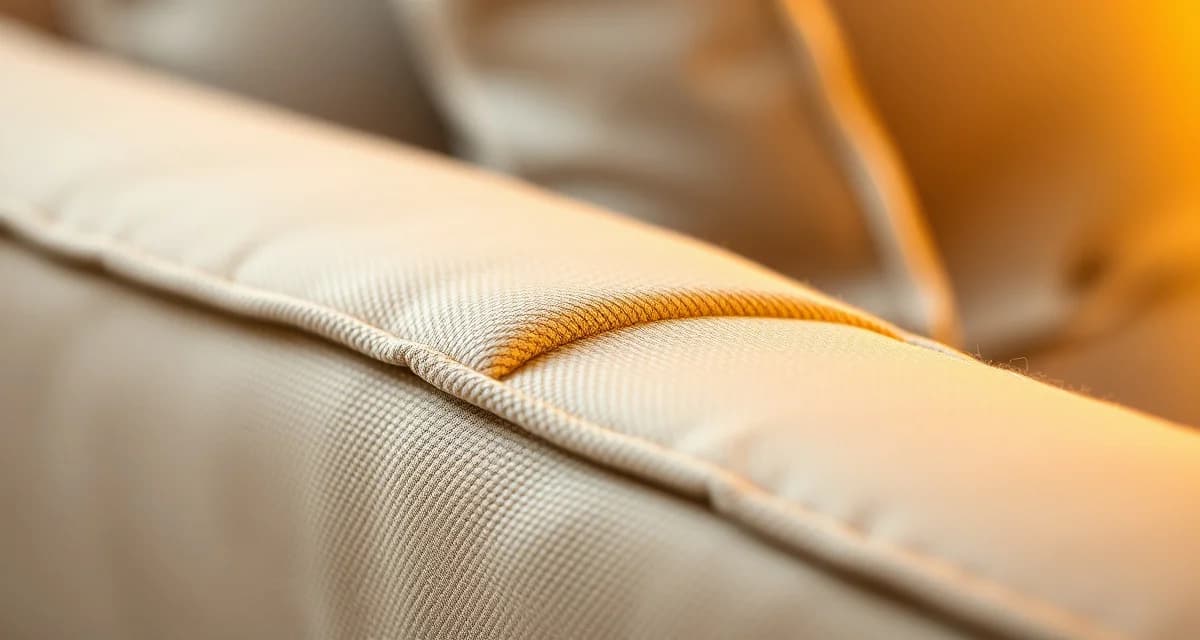
Inside arm bottoms finished with tack strip look 3 times more professional than stapled, visible from the side on low sofas. The tack strip technique produces a straight, pulled line that staples simply can't replicate at awkward inside edges. Knowing where each technique belongs is what separates the work that looks right at any viewing angle from the work that needs a specific viewing angle to look acceptable.
Tack strips (also called cardboard tack strips, cardboard strips, or simply tacking strip) are stiff cardboard strips pre-set with metal tacks along one edge. They're used to create a folded, anchored fabric edge at locations where a stapled edge wouldn't be reachable or wouldn't produce the straight line that's visually necessary.
TL;DR
- A well-managed upholstery shop tracks every job from intake to delivery with documented status at each stage.
- Fabric management, including ordering, receiving, storing, and allocating by job, is operationally the most complex part of running an upholstery shop.
- Client communication (status updates, completion photos, delivery scheduling) reduces inbound calls and increases repeat business.
- Shops that document their workflow can train new employees faster and maintain consistent quality during growth periods.
- Measuring key metrics (jobs per week, average ticket, fabric waste rate) is the foundation of informed business decisions.
- Professional shop management tools pay for themselves through reduced errors and faster quoting, typically within the first quarter.
What Tack Strips Do That Staples Can't
Staples are workhorses, they hold fabric securely at locations where you can reach the frame from behind or below. But there are locations in every upholstery job where the inside of the frame isn't reachable with a staple gun:
- Inside arm bases (the bottom edge of the inside arm panel where it meets the seat)
- Inside back base (the bottom edge of the inside back panel)
- Any hidden seam where the fabric must be pulled through a gap and folded
At these locations, the traditional technique is to use a tack strip pressed against the fabric edge from the accessible side, then push the strip and fabric through the gap or around the corner. The tacks grip the fabric. The cardboard strip creates a straight, stiff fold line. The result is a pulled, flat edge that looks intentional and sharp.
The Tack Strip Technique
Where to Use It
Inside arm bottom: The point where the inside arm fabric meets the seat deck. To create a clean edge here, the inside arm fabric is tacked along the bottom edge of the arm rail using a tack strip, then tucked under the seat deck. The tack strip keeps the edge straight and prevents the fabric from bunching at the fold.
Inside back base: Same principle at the bottom of the inside back panel where it meets the seat deck or platform.
Outside arm and outside back joins: Some craftspeople use tack strips at the outside arm or outside back edges where those panels meet the top of the arm or the seat. The strip creates a fold line at the edge that's then slip-stitched.
Any folded edge on the fabric reverse: Wherever a fabric fold must be straight and taut and the staple gun can't reach behind the fold.
Installation Process
- Cut the tack strip to the length of the edge being finished. Cut with shears, tack strips are soft enough to cut with fabric shears.
- Position the fabric. Pull the fabric over the frame rail to its correct tension at the installation point.
- Place the tack strip against the fabric face, aligned with the edge being finished. The tack points face the fabric (they'll pierce through the fabric into the frame when hammered).
- Hammer through the strip. Use a magnetic tack hammer or regular hammer to drive the tacks through the cardboard strip and the fabric layer into the frame rail beneath.
- Fold the fabric. With the strip tacked through the fabric into the frame, fold the raw edge of the fabric back over the tack strip. The strip is now inside the fold.
- Push through or tuck. At inside locations (inside arm, inside back base), the folded fabric and strip are pushed through the gap or tucked under the seat platform. The tacks hold the fabric in tension while the fold line stays straight.
- Final pull. Pull the fabric from the other side to set the tension at the tacked edge. The tacks allow the fabric to be pulled tighter but not looser, they grip the fabric while it's pulled to final tension.
Tack Strip vs. Staple Decision Tree
Use tack strips when:
- The inside of the edge isn't reachable with a staple gun
- A straight folded line is necessary for appearance
- The fold needs to be at a precise location (the cardboard creates a defined crease point)
- The fabric will be pulled through a gap and the edge must remain controlled
Use staples when:
- The back of the frame is accessible
- The edge is on the outside of the piece where the fabric can be stretched and stapled directly
- Speed is more important than the perfection of the fold line
- The finished edge won't be visible in use
Tack Strip Widths
Standard tack strips come in widths from 1/4 inch to 3/4 inch. The width determines how much fold is created at the fabric edge.
1/4-inch strip: Minimal fold width. Appropriate for fine edges where very little fabric folded back is necessary.
3/8-inch strip: Standard width for most inside arm and inside back applications. The most commonly used size.
1/2-inch strip: Wider fold. Appropriate for heavier fabrics or applications where a slightly larger fold provides more stability.
Preparing Frames for Tack Strip Work
Tack strips work best when the frame rail is solid hardwood that the tack points can penetrate without resistance. Particleboard, MDF, and soft woods hold tacks less securely and may require using a staple as a backup fastener alongside the tack strip.
When working on softwood or composite frame rails, drive the tacks as planned but add 1-2 staples through the tack strip between tacks for additional security.
See the upholstery seam techniques guide for how tack strip edges are finished with slip stitching. The how to reupholster sofa guide shows tack strip placement in the full sofa context.
Related Articles
FAQ
When should I use tack strips in upholstery?
Use tack strips at any inside edge where a staple gun can't reach, and where a straight, pulled fold line is required for appearance. The most common locations are inside arm bottoms (where the inside arm meets the seat deck), inside back bottoms (where the inside back meets the seat), and any folded edge that's visible at the side of a low piece. At these locations, tack strips create a straight, taut fold that staples can't replicate, the difference is visible as a clean line versus a slight unevenness at awkward inside joins.
How do I install a tack strip?
Cut the tack strip to the edge length. Pull the fabric to correct tension at the installation point. Place the tack strip against the fabric face with the tack points toward the fabric. Hammer through the strip and fabric into the frame rail. Fold the raw fabric edge back over the strip. Push or tuck through the gap if applicable. Pull from the other side to set final tension. The tacks grip the fabric, the cardboard creates a defined fold crease, and the combined result is a straight, pulled edge that holds position without staples being driven from the inaccessible inside.
What is the difference between tack strips and staples in upholstery?
Staples are driven from the accessible back or underside of a frame and hold fabric by penetrating the frame. They're fast and secure for any location the staple gun can reach. Tack strips are cardboard strips pre-set with tacks that drive through the fabric face into the frame from the accessible side, creating a fold along the strip's edge. Tack strips reach locations the staple gun can't, and they create a defined fold line that produces straight edges at inside joins. Both are structural fasteners, the choice is determined by which side of the frame is accessible and whether a defined fold line matters for appearance.
How do I track multiple jobs at different stages simultaneously?
A job tracking system, whether paper-based or software-based, should give you a clear view of every active job's current stage at a glance. The minimum useful stages are: intake received, fabric ordered, fabric received, work in progress, quality check, ready for pickup/delivery, completed. Software that shows all active jobs on a single dashboard with current stage and due date eliminates the mental overhead of tracking multiple jobs manually.
Sources
- National Upholstery Association
- Association of Master Upholsterers and Soft Furnishers (AMUSF)
- Upholstered Furniture Action Council (UFAC)
- Furniture Today (trade publication)
Get Started with StitchDesk
A well-run upholstery shop is built on consistent processes, accurate information, and clear client communication. StitchDesk gives you the tools to manage all three from intake to delivery, without the overhead of paper systems or generic software that does not understand the trade. Start a free trial and see how StitchDesk fits your workflow.