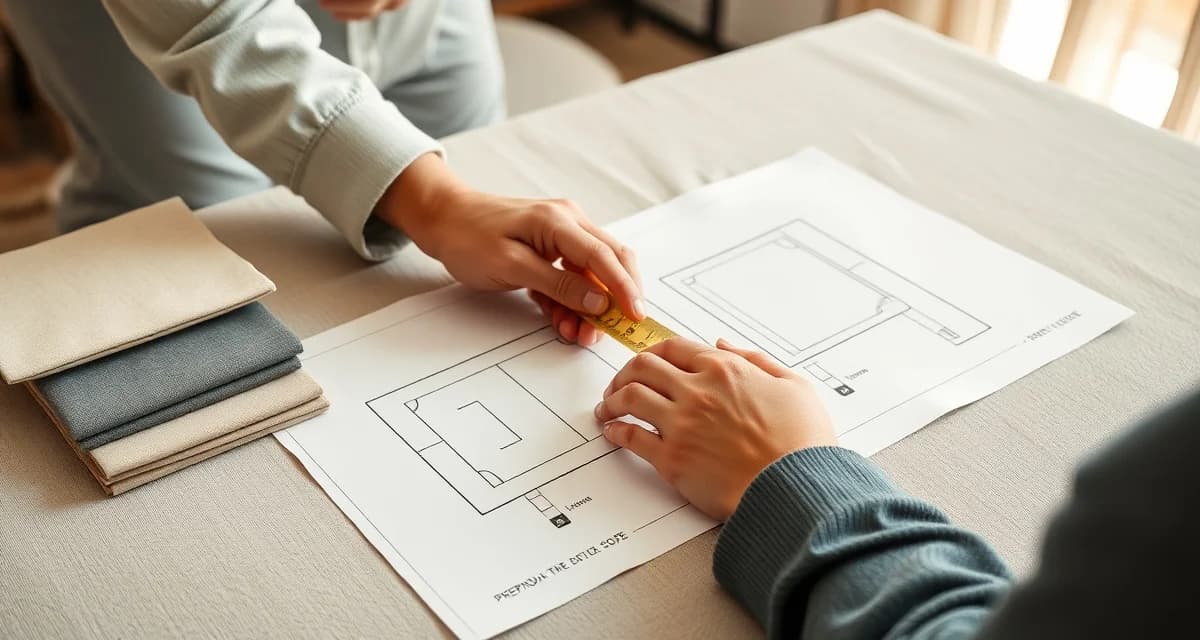
Fabric Yardage Calculator for Sleeper Sofas: Don't Get Caught Short
A sleeper sofa looks like a sofa. It calculates like a more complicated piece. The bed mechanism housing, the deck clearance, and the front border geometry are all different from a standard sofa, and the differences are enough to send you back for a second fabric order if you treated it like a regular couch.
A standard sleeper sofa runs 18–22 yards of plain fabric. A comparable non-sleeper sofa is 14–18 yards. That 4-yard difference comes from a few specific places, and knowing where those yards go is what lets you quote accurately and explain the number to clients.
TL;DR
- Accurate yardage calculation for sleeper sofa jobs prevents costly fabric shortfalls and over-ordering that erode margin.
- Pattern repeats are the most common source of yardage errors; always calculate each cutting zone separately, not as a flat percentage.
- Nap-direction fabrics (velvet, chenille, mohair) require 15-25% more yardage than the same job in plain fabric.
- Fabric width significantly affects yardage: the difference between 54-inch and 60-inch fabric can be 1-2 yards on the same piece.
- Always add a 10-15% buffer on plain fabric and 15-20% on patterned fabric to account for cutting waste.
- Entering measurements accurately at the quoting stage eliminates the need to reorder mid-job.
Where the Extra Yards Go
Mechanism panel: The front of the sofa, where the seat cushions sit, has to accommodate the pull-out mechanism. The deck area is typically shallower than a standard sofa deck (less depth from front to back) because the mechanism takes up depth. But the front border, the vertical panel facing the room below the seat cushions, is taller on a sleeper sofa in some models to cover the mechanism housing. Depending on the design, this adds 0.5–1 yard.
Outside back clearance: The outside back of a sleeper sofa needs to be a separate panel that allows service access to the mechanism in some designs. The attachment method differs from a standard outside back, but the yardage is similar.
Inside back when unit is fully upright: Some sleeper sofas have an inside back that is structurally separate from the mechanism. It needs to be cut with enough length to fold properly when the bed is pulled out and stay in place when the sofa is upright. This can add small amounts of waste compared to a standard inside back calculation.
Deck fabric (often a separate, cheaper fabric): Many sleeper sofa decks use a utility fabric (cambric or a heavy cotton duck) rather than the decorative fabric, since the deck isn't visible when seat cushions are in place. If you're using the decorative fabric throughout, add the deck panel to your yardage. If you're using utility fabric on the deck, subtract it, but note this in your quote explicitly so there are no surprises.
Sleeper Sofa Cushion Count and Style
The same cushion count considerations that apply to standard sofas apply here. A 2-cushion sleeper and a 3-cushion sleeper of the same external length use different amounts of fabric. The calculator handles this with the same cushion count input.
Some sleepers come with attached back cushions rather than loose pillows. Others have T-cushion seat styles rather than straight front. Both affect yardage. Specify this in the calculator inputs rather than using a default.
Pattern Repeats on Sleeper Sofas
Pattern matching on a sleeper sofa is handled the same as on a standard sofa, all cutting zones need to start at the correct repeat position. But the extra panels (mechanism area) add a few more zones where the pattern needs to be managed.
For most clients, a sleeper sofa is a practical piece rather than a showpiece, so very large pattern repeats are less common. But when they do come in with a pattern, calculate it properly. A 22-yard plain-fabric sleeper with a 27-inch repeat can reach 28–30 yards.
COM and Sleeper Sofas
Sleeper sofas are a common source of COM frustration. A client gets the yardage recommendation from the sofa manufacturer (based on the original new fabric order), buys that amount, and shows up at your shop. The manufacturer's yardage recommendation was for a new build, not a reupholstery, and reupholstery always uses more fabric because you're working around the existing frame, not fitting fabric to a flat panel before assembly.
On a sleeper sofa, the discrepancy between manufacturer yardage and reupholstery yardage is typically 2–4 yards. The calculator gives you the reupholstery number. When the client arrives with fewer yards than that, you have documentation showing the correct calculation.
How to Use the Calculator
- Select "Sleeper Sofa" from the furniture type menu.
- Enter sofa length, depth, and back height.
- Select arm style.
- Input cushion count and style.
- Specify deck: decorative fabric or utility fabric.
- Input fabric width.
- Add pattern repeat details.
- Toggle nap direction if applicable.
- Review total yardage, check mechanism panel line item.
Related Articles
FAQ
How many yards does a sleeper sofa need?
A standard queen-size sleeper sofa needs 18–22 yards of 54-inch plain fabric for full reupholstery. The extra 4–5 yards over a comparable non-sleeper sofa comes from the mechanism panel, deck if using decorative fabric, and the additional front border height in some designs. Add 25–35% for a large pattern repeat.
Is a sleeper sofa harder to reupholster than a regular sofa?
Yes, somewhat. The mechanism housing makes it heavier and harder to maneuver. Some mechanism designs require partial disassembly to access all cutting zones. The deck panel often needs to be cut around mechanism attachment points rather than as a clean rectangle. Labor time for a sleeper sofa reupholstery is typically 20–30% higher than a comparable non-sleeper, which should be reflected in your quote.
Can any upholstery fabric be used on a sleeper sofa?
Yes, with some practical considerations. Avoid fabrics with loose weaves or pile that can catch on the mechanism when the bed is pulled out. Heavy chenille or bouclé with large loops can snag on the mechanism and pull. Tight weaves, microfiber, velvet, leather, and vinyl all work well. If the sofa sees frequent use as a bed, prioritize durability, 30,000+ double rubs, because the seat and arm areas wear faster on a piece that's regularly unfolded and folded.
Should I add a buffer to calculated yardage?
Yes. A 10-15% buffer is standard on plain fabric to account for cutting waste and minor errors. On patterned fabric, use 15-20% above the pattern-adjusted calculation. For COM fabric that cannot be reordered if you run short, some upholsterers increase the buffer to 20-25%. The cost of a modest buffer is far lower than the cost of sourcing additional fabric after cutting has begun.
Sources
- National Upholstery Association
- Association of Master Upholsterers and Soft Furnishers (AMUSF)
- Upholstered Furniture Action Council (UFAC)
- Furniture Today (trade publication)
Get Started with StitchDesk
Getting yardage right on sleeper sofa jobs is the difference between a profitable quote and an expensive reorder. StitchDesk's fabric calculator accounts for all the variables that cause errors: pattern repeat by zone, nap direction, fabric width, and cushion configuration. Start a free trial and see how accurate yardage calculation affects your bottom line.