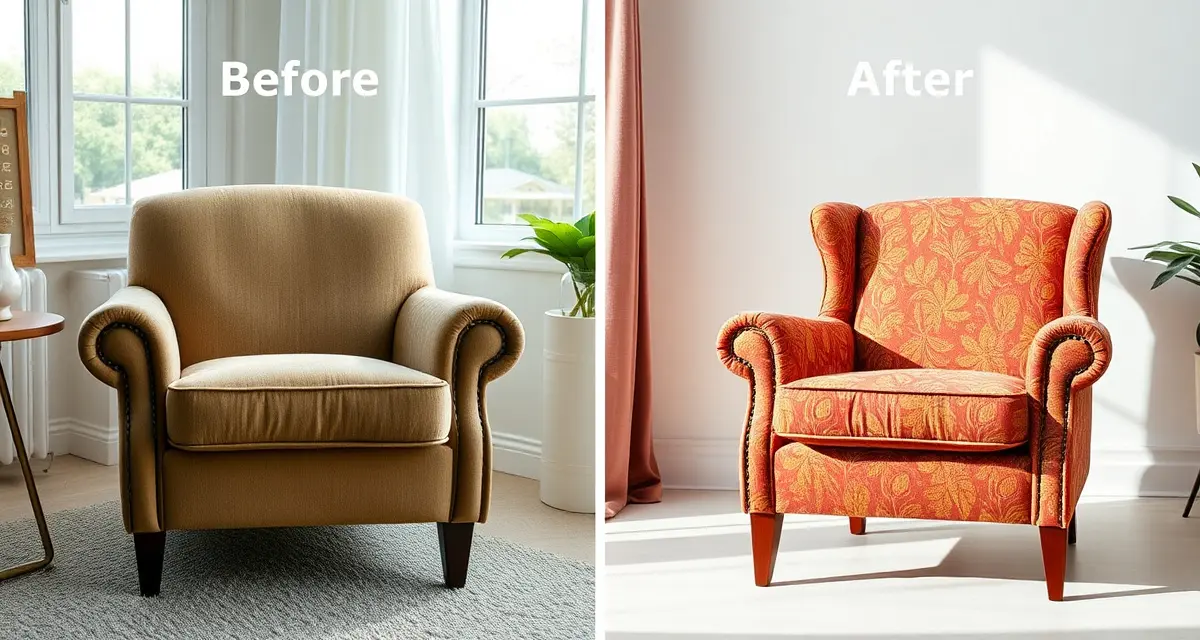
How to Photograph Upholstery Before and After: Professional Tips
Before-and-after photography is the most persuasive marketing tool an upholstery shop has, and inconsistent before-after angle makes the comparison look worse even when the work is excellent. Same angle is not optional. A stunning reupholstery that's photographed from slightly different distances or heights looks unremarkable because the eye can't make a clean comparison. The technical quality of the photography matters far less than the discipline of recreating the shot.
Five variables determine whether a before-and-after pair looks professional: same background, same angle, same light, staged props for the after shot, and consistent camera height. Get those five things right and a phone camera produces results that look polished. Get even one of them wrong and the comparison undermines work that's genuinely good.
TL;DR
- Before-and-after photography is the highest-return marketing investment for an upholstery shop; clients choose shops based on portfolio quality.
- Google Business Profile optimization and review management are the most important local SEO actions for upholstery shops.
- Instagram and Houzz are the most effective platforms for upholstery shops because both are visually driven and interior-design adjacent.
- Referral programs with interior designers and furniture stores generate higher-quality leads than paid advertising for most shops.
- A consistent Google review strategy converts satisfied clients into visible social proof that attracts new clients.
- Most upholstery shops grow fastest through referral quality, not advertising spend: document every job and ask satisfied clients for reviews.
Setting Up a Consistent Shot
Most upholstery shops photograph pieces wherever they happen to be standing in the shop, which produces before shots against a cluttered workbench and after shots in the delivery area. Neither location is ideal, and the inconsistency makes the pairs look haphazard.
Pick one spot in your shop for photography and use it every time. Ideally it's:
- Against a plain wall or backdrop (white, light gray, or a neutral dark color)
- Near a window for natural light, or lit by consistent artificial light
- Large enough to fit your biggest pieces (a sectional or large sofa)
- Easy to find and recreate. So the floor position of the piece can be reproduced
Mark the floor position with tape for large pieces. When the after-shot piece comes back to the same tape marks, the angle and distance will naturally match the before shot.
The Angle and Camera Height Rules
Camera height is the single biggest variable people overlook. A shot taken with your phone at waist height looks completely different from one taken at eye level. The perspective changes, the proportions of the piece change, and the before and after read as different furniture.
For most upholstered pieces, shoot at a height of 3 to 4 feet from the floor. Roughly hip height when you're standing. This captures the full front face of the piece without the distortion of shooting too high or too low.
Angle your shot about 15 to 30 degrees off the direct front. Slightly to one side. This shows the side profile at the corner, which makes the piece look more three-dimensional than a dead-on front shot. But don't change this angle between before and after.
Use a tripod or prop your phone against a fixed surface to ensure the camera height stays constant. Holding your phone freehand introduces height variation between shots.
Lighting for Upholstery Photography
Upholstery fabric has texture. Pile direction in velvet, weave pattern in linen, grain in leather. Good lighting brings out that texture; bad lighting flattens it.
Natural sidelight is the best option for most fabric types. Position the piece so a window is to the side rather than directly behind the camera. Sidelight rakes across the fabric surface and brings out texture. Direct front light (camera facing a window behind you) washes out texture and makes fabric look flat.
Overcast daylight (from a north-facing window or on a cloudy day) produces even, shadowless light that works well for showing color accurately. It's less dramatic than direct sidelight but more forgiving on pieces with complex shapes.
Avoid mixed light sources. Don't shoot with one fluorescent light and one window. The color temperature difference creates an orange/blue cast that looks wrong even after editing. Use one light source type.
Flash photography is generally bad for fabric. Direct flash washes out texture, creates hot spots on leather and vinyl, and flattens the appearance of tufting and tuck details. If you need artificial light, use softboxes or bounce the light off a white ceiling.
Staging the After Shot
The before shot should show the piece as the client delivered it. No staging. That's honest and useful for the comparison.
The after shot benefits from minimal, intentional staging. A small plant, a folded blanket in a complementary color, or a single throw pillow can elevate the after photo from a product shot to something that looks like it belongs in a design magazine. You're showing the client what the piece can look like in a real room.
Keep the staging minimal. One or two props maximum. The furniture is the subject, not the styling.
Remove any shop equipment, power cords, or work materials from the frame before shooting. The background should read as neutral. Not a shop floor with debris or a cluttered workbench.
Color Accuracy and Editing
When a client chooses a fabric based on your portfolio photography, the photo color needs to match the real fabric. Color inaccuracy in portfolio photography creates expectation gaps.
The best way to get accurate color is correct white balance. On most phones, tap the lightest neutral area in the frame before shooting to set the white balance automatically. This corrects for the color of your light source.
Minimal editing is better than heavy filtering. Adjust exposure to lighten dark shadows and recover overexposed areas, but don't push saturation or contrast. Both distort fabric colors in ways that mislead clients.
If you're shooting leather, watch for reflective hot spots. Position the piece so the shiny surface isn't directly facing the light source. Side-angle the leather piece relative to the window or softbox.
Building a Portfolio That Books Jobs
Before-and-after pairs are more effective than single after shots for one reason: they show the transformation. A beautiful after photo is a nice photo. A before and after together tells a story that builds trust.
Organize your portfolio by furniture type and fabric type rather than chronologically. A client looking to reupholster a wingback chair wants to see your wingback before-and-afters, not your most recent project.
Post to Instagram and Google Business Profile with consistent framing. Shops that post before-and-afters regularly generate significantly more organic inquiries than shops that post sporadically or use inconsistent photography.
Frequently Asked Questions
How do I take professional upholstery before and after photos?
Set up one consistent photography spot in your shop against a plain background. Mark the floor position for repeatability. Shoot at the same height (about 3 to 4 feet from the floor) and the same angle for both the before and after. Use natural sidelight when possible and avoid direct flash. Save the before shot when the piece comes in. Don't wait until later when you might not recreate the same setup. Stage the after shot minimally with one or two props. The most important rule is consistency: same angle, same height, same light. Without those, even excellent work looks unremarkable in comparison.
What lighting is best for upholstery photography?
Natural sidelight from a window is the best option for most fabric types. Position the piece so the window is to the side rather than directly behind the camera. This rakes light across the fabric surface and brings out texture and pile. Overcast daylight from a north window produces even, color-accurate light that works well for showing fabric colors accurately. Avoid direct flash, which washes out texture. Avoid mixing light sources (fluorescent plus daylight), which creates color casts. If you're shooting at night, a single softbox off to one side simulates the quality of sidelight.
Should I stage furniture for upholstery photos?
Yes, for the after shot (minimally. One small plant, a folded throw in a complementary color, or a single pillow can make the after photo look like it belongs in a design setting rather than a workshop. This helps clients visualize the piece in their home. Keep staging to one or two props and remove all shop equipment, cords, and clutter from the frame. The before shot should not be staged) show the piece exactly as the client delivered it. That honesty makes the before-and-after comparison more credible.
How should I photograph upholstery work for marketing?
Photograph every significant job in consistent, well-lit conditions before delivery. Use natural light from a large window where possible; avoid flash photography which flattens texture. Shoot from the same angle as the 'before' photo so the comparison is clear. Include at least one detail shot showing fabric texture, welt cording, or tufting quality. A consistent before-and-after format across all your portfolio images creates a professional visual identity.
How do I get more Google reviews for my upholstery shop?
Ask every satisfied client at delivery, when their satisfaction is highest and fresh. Make the request easy by sending a direct link to your Google review page via text or email immediately after the handoff conversation. Mention that reviews help other clients find quality upholstery work. Do not offer incentives for reviews, as this violates Google's terms and can result in penalties. Respond to every review, positive and negative, to show that your shop is attentive and professional.
Related Articles
- Channel Tufting Upholstery Guide: Professional Technique
- Leather Upholstery Guide: Hides Grades and Professional Technique
Sources
- National Upholstery Association
- Association of Master Upholsterers and Soft Furnishers (AMUSF)
- Interior Design Society (IDS)
- Furniture Today (trade publication)
Get Started with StitchDesk
The best marketing for an upholstery shop is high-quality before-and-after photography paired with proactive client communication that generates strong reviews. StitchDesk's customer portal and job photo timeline give you the tools to document every job professionally and keep clients informed throughout. Try StitchDesk free and see how it supports your shop's reputation.