Jacquard Fabric Yardage Calculator: Pattern Repeat and Alignment Math
Large jacquard repeats of 27 inches or more add 30-50% to yardage. That's the single most expensive miscalculation in upholstery. A shop that orders solid-fabric quantities for a large-scale jacquard isn't just a little short, they're potentially 4-7 yards short on a sofa job.
The jacquard fabric yardage calculator handles what spreadsheets can't: motif alignment across all pieces before calculating total yardage. Spreadsheets require manual alignment math for each piece. Shops skip it or get it wrong. And then they call the supplier.
TL;DR
- Accurate yardage calculation for jacquard fabric jobs prevents costly fabric shortfalls and over-ordering that erode margin.
- Pattern repeats are the most common source of yardage errors; always calculate each cutting zone separately, not as a flat percentage.
- Nap-direction fabrics (velvet, chenille, mohair) require 15-25% more yardage than the same job in plain fabric.
- Fabric width significantly affects yardage: the difference between 54-inch and 60-inch fabric can be 1-2 yards on the same piece.
- Always add a 10-15% buffer on plain fabric and 15-20% on patterned fabric to account for cutting waste.
- Entering measurements accurately at the quoting stage eliminates the need to reorder mid-job.
What Makes Jacquard Yardage Calculation Difficult
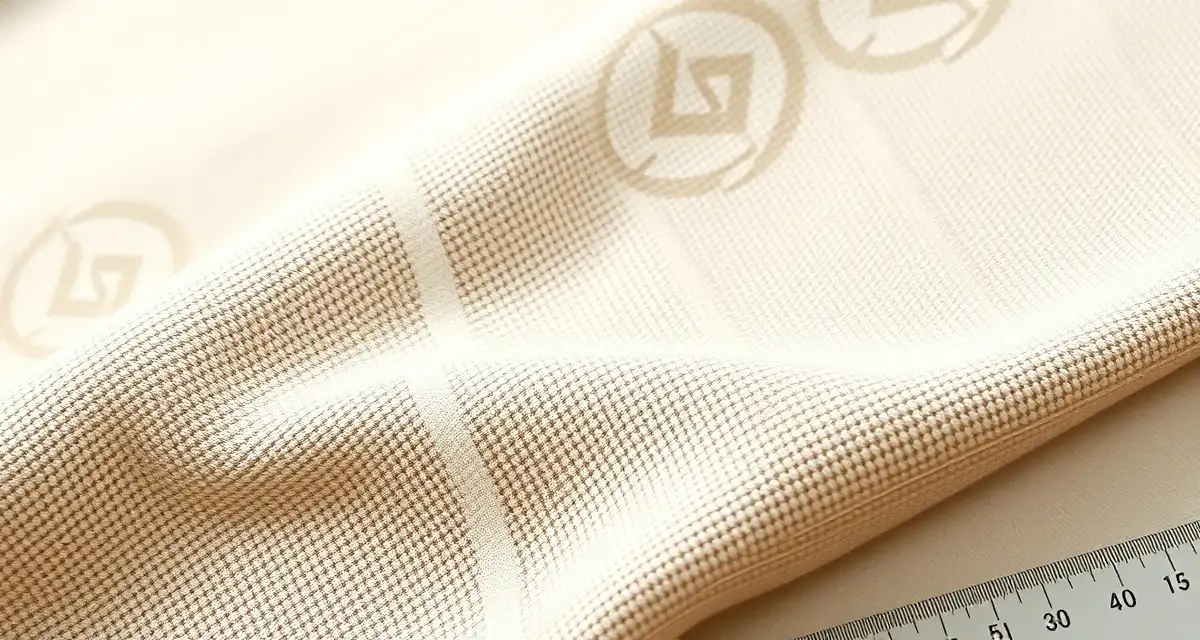
Jacquard is a woven pattern, the design is woven into the fabric structure, not printed on. This means the pattern repeat is consistent and precise, which is good. But jacquard patterns tend to be large and complex: medallions, damasks, botanical motifs, and architectural patterns are common.
When a repeat is 27 inches or more, every cut piece requires careful positioning on the fabric. The sofa back must have the motif centered (or at a specific relationship to the frame edge). The seat cushion fronts must align with the back. The outside arms must show the pattern at an appropriate point.
The alignment requirement means that between each cut piece, you lose the portion of the fabric that falls between where one piece ends and where the next usable repeat starts. On a 27-inch repeat, you can lose 13-20 inches of fabric between each piece. Across a full sofa with 10-15 cut pieces, that waste accumulates quickly.
Motif Alignment: The Right Approach
Motif alignment mode shows center-placement on each piece before calculating total yardage. Here's the manual process:
Step 1: Identify the primary motif or pattern unit. On a medallion jacquard, this is usually obvious, there's a central medallion that repeats. On a vine or botanical pattern, identify the dominant element.
Step 2: Decide on the reference piece, typically the sofa back. Determine where the motif should land on this piece (centered, at the top, etc.).
Step 3: Work outward from the reference piece. The inside back cushion top must align with the reference position. The seat cushion fronts must show the appropriate portion of the repeat in relation to the inside back.
Step 4: Map the position of each piece on the fabric roll, showing exactly where each cut starts in the repeat. Calculate the total length of fabric consumed by all pieces plus the gaps between pieces.
This is the calculation that manual spreadsheets get wrong, they calculate the pieces but not the gaps.
Yardage Impact by Repeat Size
| Repeat Size | Extra Yardage on a Sofa | Total Sofa Yardage (vs 13 base) |
|---|---|---|
| 9 inches | +2-3 yards | 15-16 yards |
| 13 inches | +3-4 yards | 16-17 yards |
| 18 inches | +4-6 yards | 17-19 yards |
| 27 inches | +6-9 yards | 19-22 yards |
| 36 inches | +8-12 yards | 21-25 yards |
These are sofa figures assuming standard Lawson configuration, 54-inch fabric, and centered motif placement. Chesterfield and tufted styles with more cut pieces add further yardage.
Jacquard and Tufting
Tufted jacquard pieces are the most yardage-intensive upholstery work you can do. Tufting adds cut pieces (the fabric pulled into each button must come from somewhere) and it also shifts the pattern, the pull of each button distorts the motif slightly.
On a tufted jacquard Chesterfield sofa, plan for 25-30 yards of fabric with a large-scale repeat. This is not an exaggeration. The combination of tufting waste, pattern repeat gap waste, and motif centering waste on every panel pushes yardage to levels that shock shops using generic estimates.
Double-Check Before Ordering
For any jacquard job with a repeat over 18 inches, calculate yardage twice using different methods and compare. Use the jacquard upholstery guide and a purpose-built fabric yardage calculator with pattern repeat mode active. If the two numbers are more than 1 yard apart, find the discrepancy before ordering.
On a $50/yard jacquard, an order error costs $200-400. That's more than worth the extra 20 minutes of double-checking.
FAQ
How much fabric do I need for jacquard upholstery?
For a solid-fabric sofa needing 13 yards, the same sofa in a 27-inch jacquard repeat needs 19-22 yards. A 36-inch repeat can push a sofa to 21-25 yards. These aren't rounding errors, large jacquard repeats genuinely require 30-50% more fabric than the same piece in solid fabric. Always calculate pattern repeat waste separately from base yardage and add both together.
How do I align a large jacquard pattern across a sofa back?
Start by identifying the primary motif and centering it on the sofa back panel. This sets your reference point for the entire project. All other panels that are visible alongside the back, seat cushion tops, inside back cushions, should show the pattern at a position that makes visual sense relative to the back. Mark each piece's starting position on the fabric before cutting and check the alignment between adjacent pieces before committing any cuts.
What is the pattern repeat on typical jacquard fabric?
Jacquard fabric repeats vary widely. Small jacquard patterns can have 4-9 inch repeats and behave nearly like a solid fabric for yardage purposes. Medium jacquards typically run 12-18 inch repeats, adding 3-5 yards on a sofa. Large-scale jacquards, the damask medallions and elaborate botanical patterns common in traditional and transitional furnishings, frequently have 27-36 inch repeats, adding 6-12 yards on a sofa. Always measure the actual repeat of the specific fabric, not a category average.
Should I add a buffer to calculated yardage?
Yes. A 10-15% buffer is standard on plain fabric to account for cutting waste and minor errors. On patterned fabric, use 15-20% above the pattern-adjusted calculation. For COM fabric that cannot be reordered if you run short, some upholsterers increase the buffer to 20-25%. The cost of a modest buffer is far lower than the cost of sourcing additional fabric after cutting has begun.
Sources
- National Upholstery Association
- Association of Master Upholsterers and Soft Furnishers (AMUSF)
- Upholstered Furniture Action Council (UFAC)
- Furniture Today (trade publication)
Get Started with StitchDesk
Getting yardage right on jacquard jobs is the difference between a profitable quote and an expensive reorder. StitchDesk's fabric calculator accounts for all the variables that cause errors: pattern repeat by zone, nap direction, fabric width, and cushion configuration. Start a free trial and see how accurate yardage calculation affects your bottom line.