Microfiber Sofa Fabric Yardage: Pile Direction and Width Guide
Microfiber is one of the most popular upholstery fabrics for residential work, durable, relatively affordable, easy to clean, and clients love the look. But there's a version of microfiber that trips up even experienced upholsterers: the suede-finish.
Suede microfiber has a pile direction. It's not as pronounced as velvet, but it's real, and if you ignore it, you'll end up with panels that catch light differently and look mismatched. Catching that difference after the fabric is cut and installed is a very bad day.
The good news: once you know how to handle it, microfiber yardage is straightforward to calculate.
TL;DR
- Microfiber Sofa yardage depends on fabric width, construction details, pattern repeat, and nap direction.
- Plain 54-inch fabric requires a baseline calculation plus 10-15% waste allowance for a standard microfiber sofa job.
- Patterned fabric adds 20-35% to base yardage depending on repeat size and the number of cutting zones that must align.
- Directional fabrics add 15-25% over plain fabric because layout optimization is restricted by nap direction.
- Always verify fabric width before finalizing yardage; COM fabric often comes in non-standard widths.
- Calculating yardage at the quote stage, not mid-job, eliminates reorders and protects your profit margin.
Smooth vs. Suede Microfiber
Microfiber comes in two main finishes for upholstery:
Smooth microfiber: Woven tight, no visible pile, no directional preference. Calculate yardage the same way you would any non-directional fabric. This is the simpler of the two.
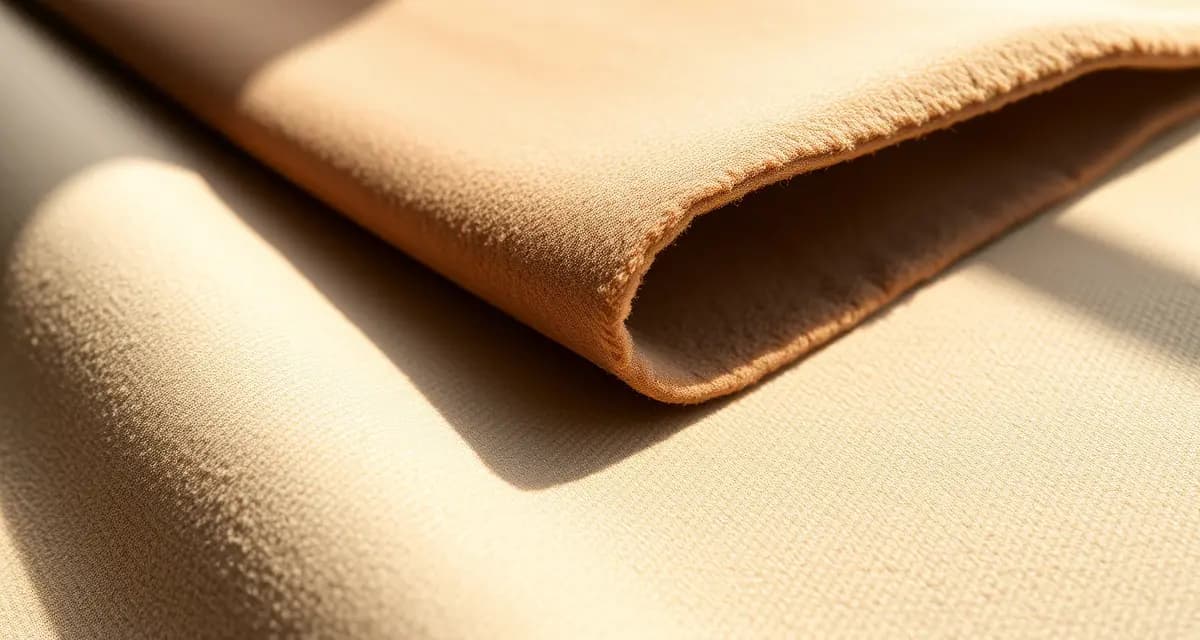
Suede microfiber: Has a short nap that gives it the soft, brushed look that mimics genuine suede. That nap has a direction. All panels on the same piece need to run nap in the same direction.
For a standard 3-cushion sofa, that pile direction requirement adds roughly 1 to 1.5 yards compared to the smooth finish version. Not as much as velvet, but enough to matter, especially if you order based on a general fabric yardage estimate that doesn't account for pile.
A suede microfiber 3-cushion sofa typically needs 14 to 17 yards, while the same sofa in smooth microfiber would need 12 to 14 yards.
How to Confirm Pile Direction
Before you cut anything, confirm the pile direction on your microfiber. Run your hand across the fabric in both directions. Nap-with feels smooth and the fabric looks slightly lighter or brighter. Nap-against feels slightly resistant and the fabric looks deeper in color.
Mark the nap direction on the back of the fabric with a chalk arrow before you start laying out panels. Every piece you cut needs to run the same direction as that arrow.
This takes 30 seconds and saves hours.
Microfiber Width and Yardage
Most upholstery-grade microfiber comes in 54 to 60-inch widths. The extra 6 inches of a 60-inch width does add up across a sofa, it can save 0.5 to 1 yard on a standard 3-cushion sofa compared to 54-inch fabric.
If you have access to both widths in the same fabric, the 60-inch is almost always the better choice for sofas. The yardage savings doesn't always translate to cost savings if the per-yard price is higher, but it often does reduce waste.
For the StitchDesk microfiber yardage calculator, you'll input fabric width and whether the finish is smooth or suede. The calculator applies the appropriate pile direction adjustment automatically.
Yardage Guide by Sofa Style
These ranges assume suede microfiber in 54-inch width. Reduce by roughly 10 percent for smooth finish or 60-inch width.
- 2-cushion loveseat, 60 inches: 8 to 10 yards
- 2-cushion sofa, 72 inches: 11 to 13 yards
- 3-cushion sofa, 84 inches: 14 to 16 yards
- 3-cushion sofa, 90 to 96 inches: 15 to 18 yards
- 4-cushion sofa, 100 to 108 inches: 18 to 22 yards
These are solid-fabric ranges, no pattern repeat to add. One advantage of microfiber is that almost all versions are solid colors or very subtle textures with no pattern to match. Your only directional constraint is the pile, not a repeating motif.
Does Pattern Repeat Affect Microfiber?
Rarely. Most upholstery microfiber is solid or has a very subtle woven texture with no defined pattern repeat. If you run across a microfiber with an embossed or printed pattern, treat it like patterned velvet and calculate the pattern repeat yardage separately, that would be unusual but not unheard of.
For a standard residential microfiber sofa job, you're dealing with pile direction only, and that's a much simpler adjustment than a full pattern repeat calculation.
Microfiber and the Standard Sofa Yardage Calculator
If you use the main sofa calculator, it will prompt you for fabric type. Selecting microfiber with suede finish activates the pile direction adjustment automatically. The calculator adds the appropriate buffer based on sofa dimensions and cushion count.
For a quick phone quote, this is the fastest accurate number you can give a client, much better than guessing "somewhere around 15 yards" without knowing the pile factor.
Frequently Asked Questions
How many yards of microfiber for a 3-cushion sofa?
In suede-finish microfiber on 54-inch fabric, plan for 14 to 17 yards for a standard 84 to 90-inch 3-cushion sofa. If you're using smooth microfiber or 60-inch width fabric, you can typically drop that range to 12 to 15 yards. The difference comes from the pile direction requirement on suede finish.
Does suede microfiber need more yardage than smooth microfiber?
Yes, about 10 to 15 percent more. Suede microfiber has a nap that must run consistently in one direction across all panels, which limits how you can optimize your cutting layout. Smooth microfiber has no such constraint and can be cut more efficiently.
Is microfiber easy to upholster a sofa with?
Yes, it's one of the more forgiving upholstery fabrics to work with. It doesn't fray as badly as loosely woven fabrics, it holds staples and tacks well, and it doesn't shift as much during stitching as slick fabrics. Suede microfiber does require more care with pile direction, but that's a planning issue rather than a handling difficulty.
What is the biggest factor in yardage variation for this piece?
Pattern repeat is the biggest source of yardage variation. On plain fabric, the baseline calculation plus a 10-15% waste buffer is usually sufficient. Add a 13-inch pattern repeat and you may need 15-20% more. Add a 27-inch pattern repeat and the additional yardage can be 25-35% over the plain fabric calculation. Nap direction is the second-largest factor, typically adding 15-25% over plain fabric because layout optimization is restricted.
What should I do if I run short on fabric mid-job?
Stop cutting immediately when you realize you may run short. Calculate exactly how much additional fabric you need before contacting the supplier or client. If reordering from the same dye lot is possible, do so as quickly as possible because dye lots change. If a dye lot match is not available, contact the client before proceeding; visible dye lot differences on the same piece are unacceptable and must be disclosed. Document the situation and response in writing.
Sources
- National Upholstery Association
- Association of Master Upholsterers and Soft Furnishers (AMUSF)
- Upholstered Furniture Action Council (UFAC)
- Furniture Today (trade publication)
Get Started with StitchDesk
Getting yardage right on microfiber sofa jobs is the difference between a profitable quote and an expensive reorder. StitchDesk's fabric calculator accounts for all the variables that cause errors: pattern repeat by zone, nap direction, fabric width, and cushion configuration. Start a free trial and see how accurate yardage calculation affects your bottom line.