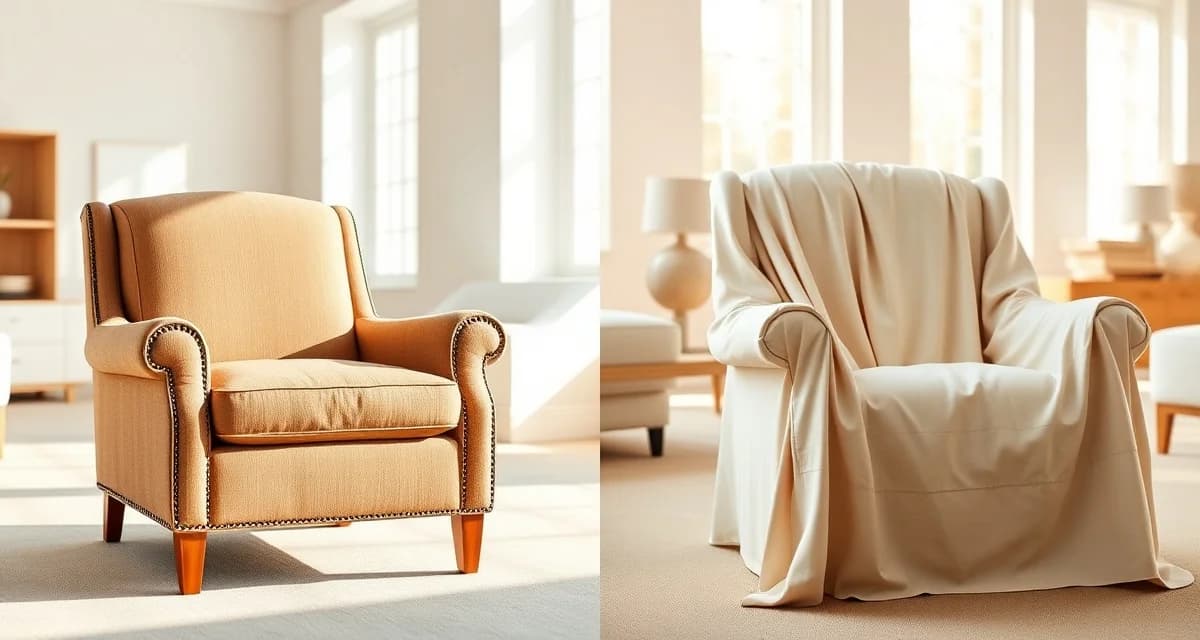
Reupholstery vs Slipcover: Which Is Right for My Furniture?
Slipcovers cost 30-60% less than reupholstery, but they look 40% less professional. That's the honest trade-off. The right choice depends on the furniture's quality, the client's budget, and what they're actually trying to achieve.
This isn't a guide that steers you toward full reupholstery at every turn. There are real situations where a slipcover is the smarter decision. There are also situations where a slipcover will frustrate the client within a year. Here's how to tell the difference.
TL;DR
- This guide covers the specific techniques, measurements, and decisions that determine quality outcomes in upholstery work.
- Planning and preparation before cutting begins is the most reliable way to avoid costly errors on any upholstery job.
- Fabric selection, yardage calculation, and structural assessment are the three decisions that most affect the final result.
- Experienced upholsterers develop consistent workflows that ensure quality and efficiency across every job type they handle.
- Documenting job details, material specifications, and client approvals protects both the shop and the client.
- The right tools, materials, and techniques for each job type make a measurable difference in quality and profitability.
What Each Option Actually Is
Reupholstery removes all existing fabric from the furniture frame, replaces the padding and foam if needed, and applies new fabric directly to the frame. The result is permanent, the new fabric is the furniture's surface until it's reupholstered again. The job requires professional skill and takes time, which is why it costs more.
A slipcover is a fabric cover that fits over the existing upholstery without removing it. It's removable, washable, and can be changed when style preferences change. It requires less skill to produce and significantly less time.
When a Slipcover Makes Sense
The furniture has sentimental but not aesthetic value. A functional family sofa that's structurally sound but has old, stained fabric is a good slipcover candidate. If the piece isn't particularly beautiful under the slipcover (dated lines, nothing special about the frame), a slipcover addresses the functional problem without the investment of full reupholstery.
The client wants temporary protection. Young families sometimes want temporary coverage on existing furniture until children are older. A slipcover on a good sofa for 5 years, then a professional reupholstery later, is a legitimate strategy.
The fabric alone is the problem. If the client loves the piece, loves how it sits, and just wants to change the look, a well-made custom slipcover can achieve that at lower cost.
The budget genuinely doesn't allow for reupholstery. An honest slipcover that the client can afford is better than a stretch payment for reupholstery they can barely manage.
When Reupholstery Is the Right Choice
The furniture has design quality that deserves proper presentation. A quality frame with good bones, a well-proportioned sofa, a beautiful antique chair, a piece with distinctive design details, looks significantly better with professional reupholstery than with a slipcover. The slipcover hides the lines that make the piece worth keeping.
The existing padding is worn. Slipcovers cover fabric but not foam or batting condition. A sofa with compressed, uncomfortable foam needs padding replacement, which is part of professional reupholstery, not a slipcover project.
The client wants it to last. Slipcovers shift, bunch at the arms and back, and require regular adjustment. In an active household, a slipcover can look disheveled within a day. Reupholstery stays put permanently.
The piece is used formally. For furniture in a dining room, a formal living room, or anywhere that appearance consistency matters, slipcovers' casual association and tendency to shift makes them a poor fit.
The Longevity Comparison
Quality professional reupholstery: 10-15 years with appropriate fabric and normal use.
Quality custom slipcover: 3-5 years before the fabric wears significantly. Washable slipcovers that are actually washed frequently wear faster.
Basic slipcover from a retail source: 1-3 years.
The cost-per-year calculation often favors reupholstery for pieces that will be used for a decade or more. A $900 reupholstery that lasts 12 years costs $75/year. A $400 slipcover that lasts 4 years costs $100/year and produces inferior results throughout.
Decision Matrix
| Scenario | Recommendation |
|---|---|
| Quality frame, worn fabric only | Reupholstery |
| Average frame, temporary need | Slipcover |
| Worn padding, any frame | Reupholstery (padding replacement included) |
| Casual furniture, budget-constrained | Slipcover |
| Formal or display furniture | Reupholstery |
| Piece with beautiful frame lines | Reupholstery |
| Family protection on good sofa | Slipcover temporarily, reupholstery later |
If you want help thinking through the cost difference for your specific situation, the is it worth reupholstering furniture guide and how much does reupholstery cost page both offer frameworks for the decision.
Related Articles
FAQ
When should I use a slipcover instead of reupholstering?
Use a slipcover when: the furniture has sentimental value but not design quality worth framing with professional work; the need is temporary (child protection years, rental property); the budget genuinely cannot stretch to reupholstery; or the client wants the flexibility to change the look seasonally. Avoid slipcovers when the foam and padding are worn (slipcovers don't fix that), when appearance consistency is important, when the piece has design quality that slipcovers obscure, and when the client is looking for a long-term solution.
Is a slipcover cheaper than reupholstery?
Yes, significantly. A quality custom slipcover typically costs 30-60% less than professional reupholstery for the same piece. However, slipcovers last 3-5 years under regular use versus 10-15 years for quality reupholstery. For furniture you intend to keep for a decade or more, reupholstery often costs less per year of service over the full ownership period, in addition to looking substantially better throughout that period.
How long does a slipcover last compared to reupholstery?
A quality custom slipcover lasts 3-5 years under regular residential use. Retail-purchased slipcovers that are washed frequently may last 1-3 years. Professional reupholstery with appropriate fabric for the use level lasts 10-15 years. The gap is significant. For furniture in active use, a daily-use family sofa, slipcovers require replacement 2-4 times over the lifespan of a single professional reupholstery job. The cost advantage of the slipcover is real upfront; the long-term economics depend on how long you plan to keep the piece.
What are the most common mistakes to avoid in this type of work?
The most common mistakes are underestimating material requirements, starting work before the frame is fully assessed and repaired, and skipping the centering and alignment checks before cutting. Each of these is far more expensive to correct after cutting has begun than to prevent at the planning stage. Taking an extra 15-30 minutes at the assessment and planning stage pays dividends throughout the job.
When should I consult a professional rather than doing the work myself?
Consult a professional when the piece has structural issues beyond simple fabric replacement, when the piece has significant financial or sentimental value, or when the fabric or technique (tufting, pattern matching, hand-tacking) requires skills you have not developed. A professional assessment before you begin is free at most shops and can prevent costly mistakes on a piece worth preserving.
Sources
- National Upholstery Association
- Association of Master Upholsterers and Soft Furnishers (AMUSF)
- Upholstered Furniture Action Council (UFAC)
- Furniture Today (trade publication)
Get Started with StitchDesk
Running a successful upholstery shop means getting the details right on every job. StitchDesk gives you purpose-built tools for quoting, fabric calculation, job tracking, and client communication, all in one place designed specifically for the trade. Start a free trial and see how StitchDesk supports quality work from intake to delivery.